Sanctions don't stop money. They just change where it flows.
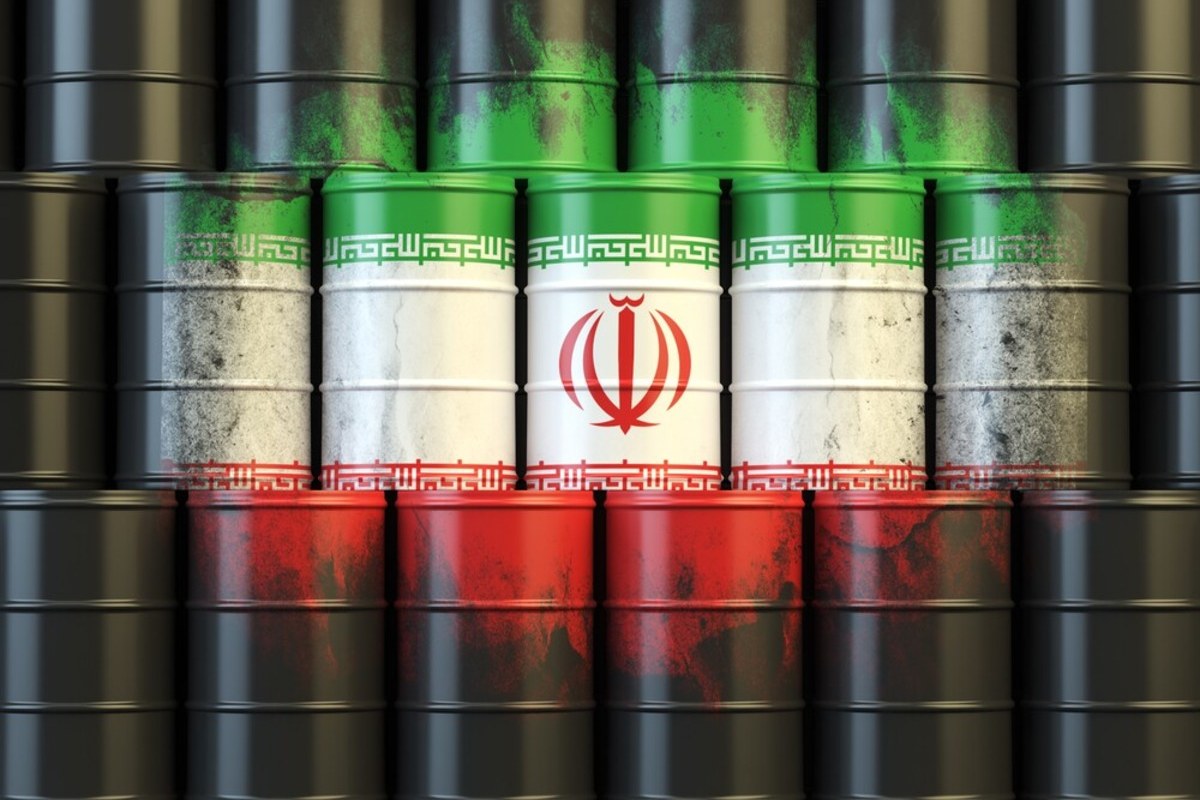
When you hear about heavy blockades and intense international restrictions, you probably picture a country cut off from global trade entirely. You imagine empty ports and dried-up revenue streams. But reality is rarely that simple. Iran just pulled off a massive financial feat, moving roughly 1.7 lakh crore rupees worth of crude oil despite sitting right in the crosshairs of global trade embargoes. Official government figures lay out a story of stubborn survival, clever logistics, and a market that desperately needs energy no matter the political cost.
Most people get this wrong. They think a ban means total zero-trade. It doesn't. It just drives the trade underground, alters shipping routes, and shifts the buyers. If you want to understand how global energy markets actually work, you have to look past the headlines and follow the tankers.
The Reality of Oil Blockades
Trade restrictions are loud. The workarounds are quiet.
For years, Western nations tried to choke off Tehran's primary economic lifeline. The strategy looked solid on paper. Freeze assets, ban direct tanker insurance, and threaten secondary penalties for anyone daring to touch Persian Gulf crude. On paper, it sounds airtight. In practice, commodities find a way out.
Energy hunger wins over politics every single time. When refining hubs need heavy feedstock to keep running profitably, paperwork becomes secondary. Iran adapted fast. They renamed vessels, turned off transponders in open waters, and mastered the art of ship-to-ship transfers miles away from standard port authorities.
It's a high-stakes game of hide and seek.
- Tankers go dark by disabling their Automatic Identification Systems.
- Cargoes mix in international waters to mask the original crude profile.
- Payment systems bypass traditional SWIFT banking channels entirely.
You're looking at a parallel shipping empire. It's massive, expensive to run, and entirely functional.
Where the Revenue Actually Went
Making money is one thing. Collecting it and bringing it home is another hurdle entirely.
When you can't use standard US dollar-denominated banking networks, you have to get creative with currencies and barter arrangements. Tehran leaned heavily into bilateral trade agreements. Instead of cash piling up in Western vaults, payments happened through alternative currency swaps, localized banking channels, and direct exchanges for essential goods.
Asian buyers played a massive role here. While traditional Western partners pulled back completely, independent refiners found ways to absorb discounted barrels. Economics beat out diplomacy. Refiners sitting on tight margins couldn't ignore the deep discounts offered on sanctioned crude.
Let's break down the mechanics of these deals:
- Discounted Pricing: Buyers demand a heavy margin of safety to offset the legal risks.
- Alternative Logistics: Private fleet operators take on the transport risks for a premium.
- Bypassing the Dollar: Trades settle in localized currencies or commodities rather than greenbacks.
This setup creates a strange economic equilibrium. Tehran keeps its fiscal engine sputtering forward, while buyers lock in cheap energy inputs.
What This Means for Global Trade Rules
We are living through the fracturing of global commerce.
When major economies weaponize the financial system too aggressively, target countries don't just fold. They build alternative systems. The massive oil revenue figures recently published by official government sources prove that unilateral sanctions have a serious expiration date on their effectiveness. Once alternative networks take root, they are nearly impossible to dismantle.
You can't just wish away supply and demand. The world runs on hydrocarbons. Until green alternatives completely displace fossil fuels across every major industrial economy, cheap energy will always find a buyer, regulations be damned.
If you are tracking geopolitical risk or commodity markets, stop looking at the official prohibitions as absolute walls. Look at them as speed bumps. The smart players are already planning for a multi-polar energy market where enforcement is porous and workarounds are standard operating procedure. Keep an eye on the shadow fleets. They tell you more about the real state of the world economy than any diplomatic briefing ever will.