The global energy map hangs by a thread. When tensions spike in the Middle East, the conversation always shifts back to a single, narrow maritime choke point. You've probably heard about the Strait of Hormuz on the evening news, but most people completely miss why a closure of this route shakes markets from Tokyo to New York within minutes.
Iran isn't just making idle threats this time. By floating specific conditions—including demands tied to the Islamabad Memorandum—tehran is playing a high-stakes geopolitical game. Let's look past the surface headlines and break down what's actually happening behind closed doors.
The Strategy Behind the Seven Conditions
Geopolitics rarely operates on simple cause and effect. When foreign policy desks heard about the seven conditions set by Tehran for keeping the Strait of Hormuz operational, many analysts dismissed them as posturing. They're wrong.
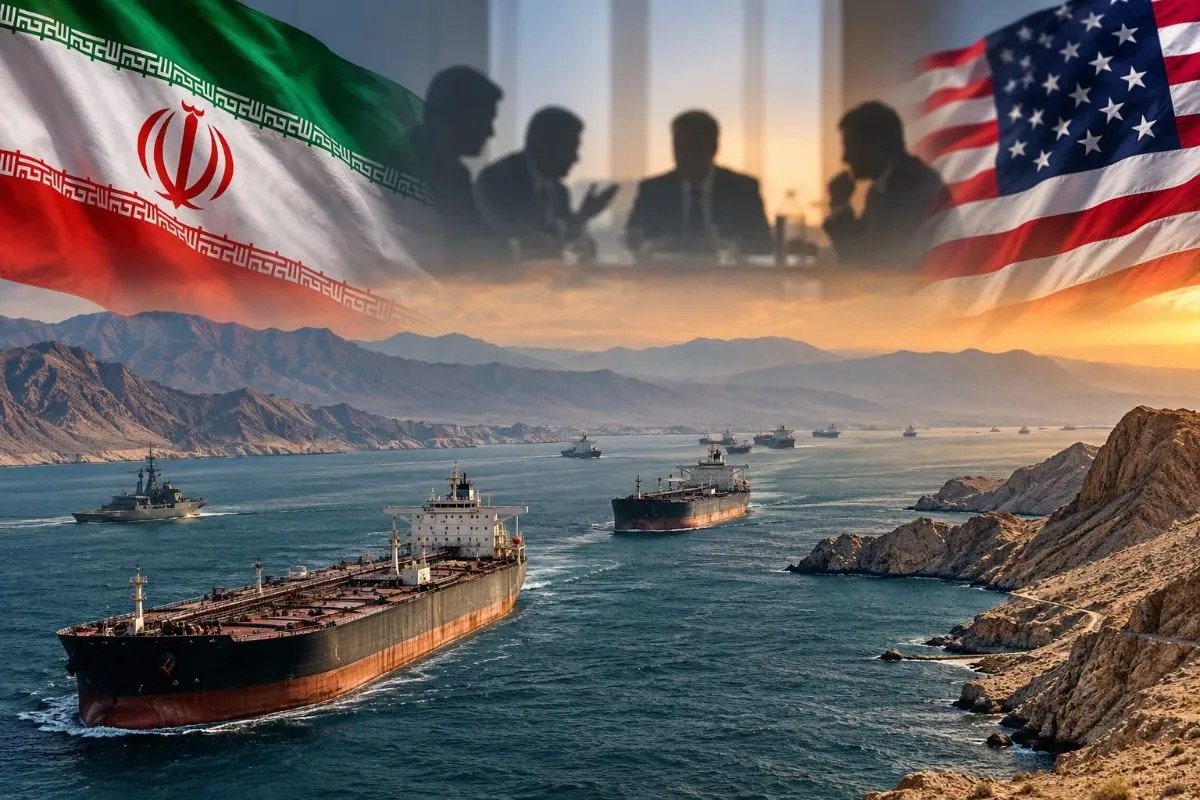
Iran positions these demands as a direct counter-weight to Western economic pressure. At the center of this diplomatic standoff sits the insistence that the United States and its allies recognize specific regional frameworks, specifically pointing toward the Islamabad Memorandum.
- Economic leverage: Shutting down tanker traffic chokes roughly a fifth of the world's petroleum supply.
- Diplomatic positioning: Tying maritime access to broader regional agreements forces international powers to the negotiating table.
- Military deterrence: The threat alone spikes global insurance rates and shipping costs instantly.
You can't just ignore these demands. When a nation controls the literal gateway for Gulf oil exports, their terms carry weight. The market reacts before the ink dries on any official statement.
Why the Islamabad Memorandum Matters Now
Most mainstream reports gloss over the technical details of regional pacts. That's a mistake. The reference to the Islamabad Memorandum introduces a complex multi-lateral layer to what looks like a bilateral dispute between Washington and Tehran.
Basically, Iran wants security guarantees that stretch beyond basic maritime navigation. They want regional frameworks acknowledged by global superpowers. If you look at how past naval standoffs played out in the Persian Gulf, economic pressure usually forced a compromise. This time, Tehran is shifting the goalposts. They're demanding institutional recognition, not just temporary relief from sanctions.
The reality on the water remains tense. Commercial vessels transiting the strait face constant harassment, tracking, and the looming threat of seizure. Shipping companies are already rerouting or pausing operations, driving up spot rates for crude oil carriers.
What This Means for Global Markets
You might wonder how a narrow channel thousands of miles away affects your daily life. It hits your wallet. Energy commodities set the baseline for manufacturing, transport, and consumer goods worldwide.
When tanker traffic halts, crude prices surge overnight. Refineries scramble for alternative pipelines, which often don't have the capacity to handle the volume normally moving through Hormuz.
- Immediate price shocks: Brent crude futures jump the moment shipping lanes face credible threats.
- Supply chain bottlenecks: Petrochemical feedstock becomes scarce, raising prices for plastics and manufactured items.
- Inflationary pressure: Central banks face a nightmare scenario as energy costs drive up consumer prices globally.
Governments in Europe and Asia are quietly preparing emergency reserves. They know that relying on diplomatic rhetoric won't keep power plants running if the strait stays sealed for long.
Cutting Through the Noise
Don't buy into the panic, but don't ignore the warning signs either. Navigating these crises requires looking at actual shipping data rather than political bluster. Keep a close eye on maritime tracking services and commercial insurance premiums rather than cable news commentary. Those numbers tell the real story of whether a blockade is imminent or if backchannel diplomacy is finally working.
Take a hard look at your own exposure to energy price volatility. If supply lines tighten further, smart preparation beats scrambling later.