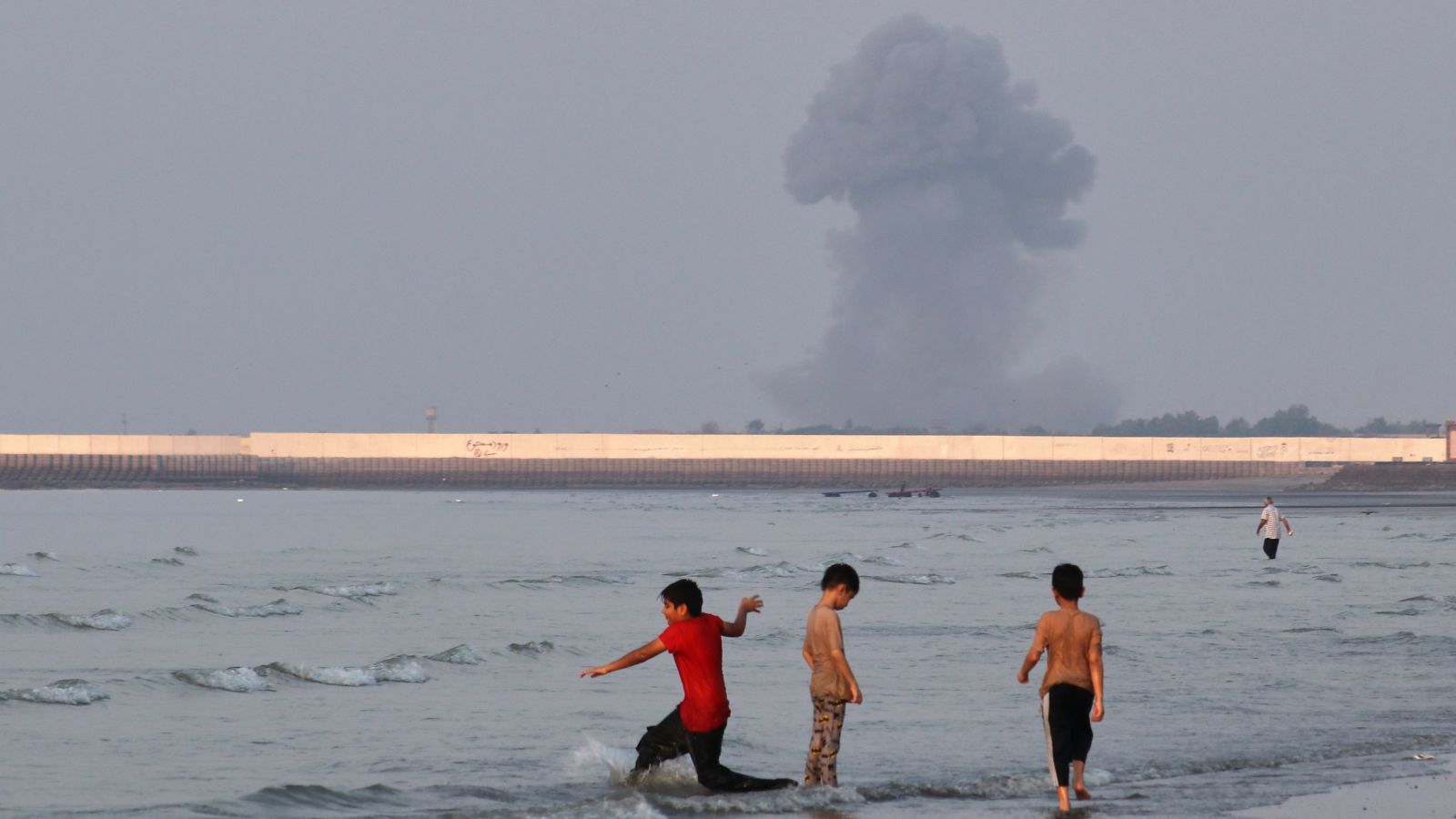
Iran's state media and military apparatus kicked off a massive propaganda wave by claiming direct drone and missile strikes on U.S. military positions hosted at key regional installations. State broadcasting outlets and statement channels from Tehran claimed that Arash kamikaze drones and ballistic strikes hit targets inside Sheikh Isa Air Base in Bahrain and Al-Azraq Air Base (Muwaffaq Salti) in Jordan. Iranian commanders insisted their targets included jet hangars, fuel storage facilities, equipment depots, and troop living quarters.
If you take Tehran's state media at face value, you'd think half the U.S. staging grounds in the Middle East are up in flames. But looking at verified operational realities tells a vastly different story.
These claims represent a deliberate strategy: flooding the media space with grand statements of damage to project strength domestically and project fear regionally, regardless of whether the munitions actually connected with their targets.
What Tehran Claimed Happened
According to statements released by Iran's armed forces and state news agencies, morning strike operations deployed one-way attack drones toward two vital regional hubs.
At Sheikh Isa Air Base in Bahrain, Iranian state TV claimed that fuel tanks, warehouses, and troop quarters took heavy damage. In Jordan, Tehran alleged that aircraft maintenance facilities and housing complexes at Muwaffaq Salti Air Base were hit. The rationale given by Iran was straightforward: any country hosting American forces utilized in military actions against Iranian territory is considered a legitimate combatant target.
The rhetoric sounds alarming. It is meant to sound alarming. But rhetoric isn't reality.
What Actually Happened on the Ground
Separating military claims from confirmed physical impacts requires checking ground truth. While sirens did sound in Bahrain, prompting civil defense alerts, there has been zero independent verification or allied confirmation of catastrophic structural damage or operational collapse at Sheikh Isa Air Base.
In Jordan, regional officials and defense networks reported interception activity, with incoming threats being engaged long before they could reach critical targets. Jordan’s civil aviation and military command noted normal operational status across key infrastructure.
This gap between claim and reality isn't accidental. It highlights a recurring dynamic in regional warfare:
- Massive claims of destruction released immediately via official channels before ground damage can be independently assessed.
- High-volume drone launches designed to saturate defenses, where even a single successful interception is framed by attackers as a "struck target".
- Selective silence from host nations on specific defense deployments, which state propaganda fills with exaggerated casualty figures.
Layered air defense architecture deployed across Gulf Cooperation Council (GCC) partners and U.S. bases is designed specifically to counter low-altitude kamikaze drones and ballistic trajectories. Patriot batteries, NASAMS, and naval air defense assets routinely neutralize incoming aerial threats far outside target perimeters.
The Geopolitical Strategy Behind the Strikes
Why target airbases in Jordan and Bahrain specifically? The choice of location is entirely strategic.
Bahrain hosts U.S. Naval Forces Central Command and the U.S. Fifth Fleet, making it the primary maritime command node for the entire region. Jordan hosts key air assets that support regional security and coalition operations. By launching drones toward these countries, Tehran attempts to raise the political cost for Arab nations that host American military infrastructure.
It's a high-stakes calculation. Iran wants host nations to feel that housing U.S. personnel carries an unacceptable risk to their domestic security. Yet, the primary outcome of these attempted strikes has been the opposite: it forces regional partners to tighten their integrated air and missile defense coordination with U.S. forces.
Understanding the information landscape requires recognizing that claims made during active exchanges are strategic tools. Official Iranian media statements often exaggerate combat success to satisfy domestic audiences after suffering military losses. When tracking developments during elevated regional tensions, wait for verified satellite imagery, official multi-agency briefings, and ground reports rather than relying on initial military press releases.


