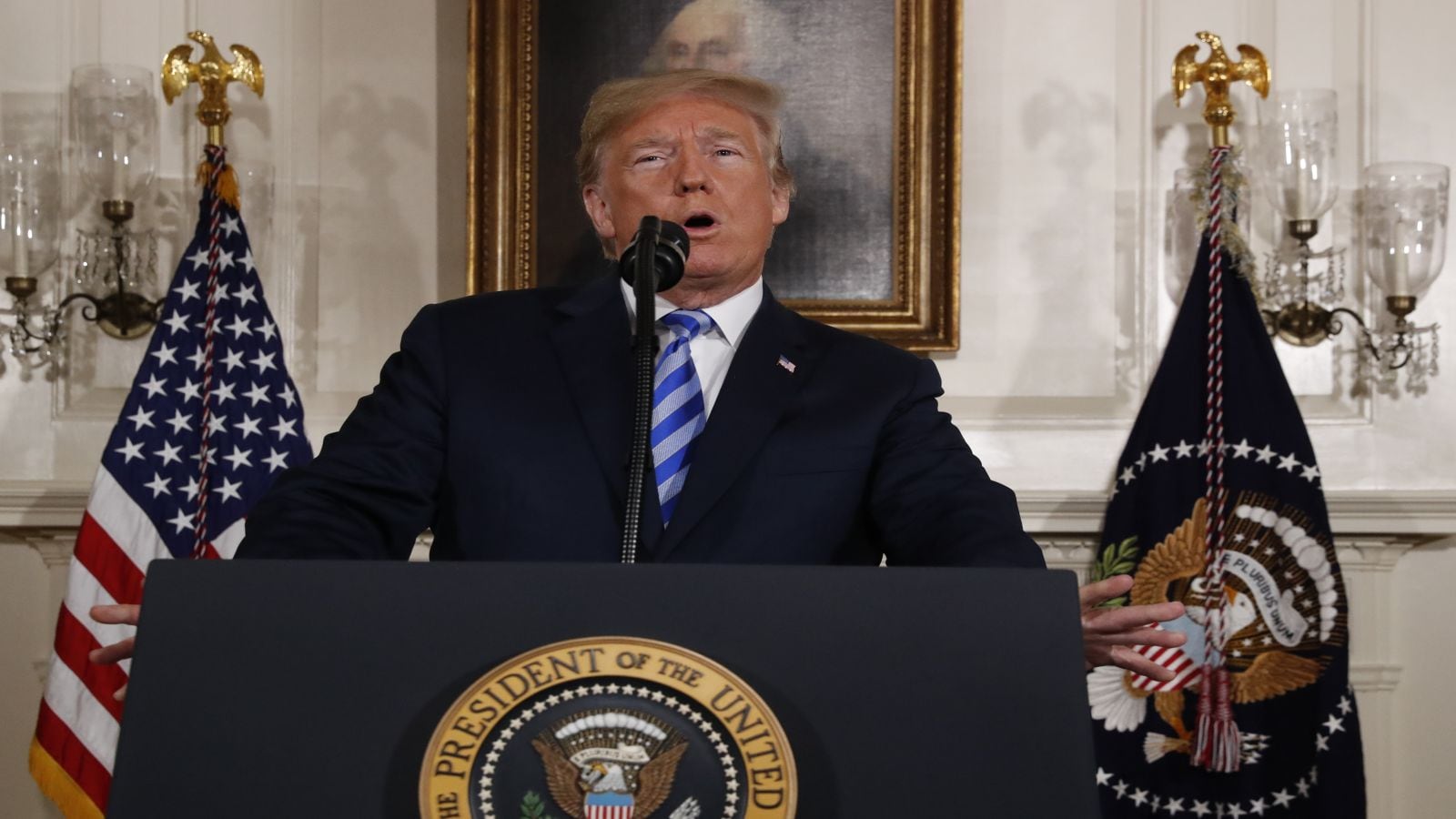
The mahogany desk in the Oval Office is quiet at midnight. The country is asleep, unaware of the invisible architecture that governs the price of their morning coffee, the safety of their bank accounts, and the rules of their workplace. For decades, Americans believed their government was a neatly divided machine of three distinct branches. We were taught this in middle school civics. It was simple. Clean.
It was also incomplete.
Beneath the surface of Washington lies a vast network of independent regulatory agencies. These are the quiet giants of federal power. For nearly a century, they operated in a unique legal gray zone, insulated from the direct control of whoever happened to occupy the White House. Their chiefs could not simply be fired on a presidential whim. They had tenures meant to outlast political moods.
Then came a legal earthquake that shattered that insulation, rewritten by the highest court in the land.
Consider the weight of a single phone call. Imagine a bureaucrat sitting in a brightly lit office, looking out over the National Mall. This person is not an elected politician. They are an expert, hired to protect consumers from predatory lenders or to ensure that corporate monopolies do not crush small businesses. Under the old rules, this bureaucrat answered to the law, not the election cycle. They could only be removed for severe misconduct—neglect of duty, or malfeasance.
Now, the rules have changed. The Supreme Court decided to hand the presidency a massive hammer, allowing the chief executive to terminate these independent agency heads at will.
Except for one.
The justices drew a sharp, unmistakable line around the institution that controls the very lifeblood of the global economy. They insulated the Federal Reserve.
To understand why this matters to someone buying groceries in Ohio or trying to secure a mortgage in Arizona, we have to look at the philosophy that drove this legal battle. The argument rests on a concept known as the unitary executive theory. Proponents of this view look at Article II of the Constitution and see a clear mandate: all executive power belongs to the president. If an agency exercises executive authority, the president must have total control over the people running it. If you cannot fire them, you do not control them.
For years, critics argued that this setup created a dangerous, unaccountable fourth branch of government. They painted a picture of unelected regulators insulated from the will of the voters, enacting sweeping policies without any democratic accountability. When the Supreme Court agreed with this perspective, it signaled a massive shift in how power flows through the nation's capital.
Suddenly, agencies that regulate everything from consumer finance to labor standards found their leadership tethered directly to the political fortunes of the West Wing. The message was clear. Align with the administration's vision, or pack your bags.
But the real story lies in the exception.
The Federal Reserve occupies a unique space in the American imagination. It is the central bank, the entity that decides how much it costs to borrow money, how many jobs are available, and whether inflation will erode the savings of working families. It is an institution built entirely on a fragile, irreplaceable commodity: trust.
Imagine what happens if the independence of the central bank vanishes.
Let us use a hypothetical scenario to illustrate the danger. A president is facing a difficult reelection campaign. The economy is slowing down, and voters are anxious. The president wants the central bank to slash interest rates immediately, flooding the economy with cheap cash to create a temporary illusion of prosperity before Election Day. The head of the central bank, analyzing the long-term data, knows that doing this will trigger catastrophic inflation two years down the line.
Under the old system, the central bank chief could look the president in the eye and say no. They were protected. They could focus on the horizon, not the next tracking poll.
If that protection disappears, the calculation changes completely. The central bank chief faces a brutal choice: comply with a politically motivated demand or get replaced by someone who will. The global financial markets, sensing that America’s monetary policy is now driven by partisan survival rather than economic reality, panic. Investors pull their money. The value of the currency plummets.
This is not a theoretical exercise. It is a historical reality that has played out in dozens of nations around the world where central banks are merely branches of the ruling political party. The results are almost always measured in hyperinflation, broken economies, and ruined lives.
The Supreme Court looked at this precipice and chose to blink.
While the justices were willing to dismantle the independence of other regulatory bodies, they recognized that the Federal Reserve was different. They acknowledged that the economic stability of the entire nation depended on keeping the hands of politicians off the interest rate levers. They carved out a protective sanctuary for the monetary authorities, even as they stripped those same protections away from others.
This creates a fascinating, tense duality in modern governance. On one side of Washington, agency heads now serve at the pleasure of the president, their policies destined to shift wildly with every change in the political party occupying the White House. On the other side sits the Federal Reserve, an island of insulation in an increasingly centralized sea of executive power.
This compromise leaves us with profound questions about the nature of our democracy. We must confront a difficult truth about our system. Is it better to have a government where every single decision-maker is directly accountable to the elected president, even if it means sacrificing stability and expertise to political pressure? Or is it better to trust insulated experts to make long-term decisions, even if the public has no direct way to vote them out?
There are no easy answers here. The legal battle may be over, but the cultural and economic consequences are just beginning to ripple outward.
The next time you see a change in leadership at a federal regulatory agency, or the next time the Federal Reserve adjusts the cost of borrowing money, remember the quiet battle that took place in the highest court in the land. The invisible strings that hold our system together were re-tied. The presidency grew stronger, the regulatory state grew weaker, and the central bank was left holding the line, guarded by a solitary legal wall.
The machinery of state continues to turn, altered fundamentally, yet still functioning in the delicate balance between political power and economic survival.