Paper barrels do not fuel gas stations. On Sunday, the remaining members of OPEC+ announced a production increase of 188,000 barrels per day for June, a figure that appears mathematically sound on a spreadsheet but remains physically stranded by the reality of the 2026 Iran war. With the Strait of Hormuz effectively under a maritime chokehold since February 28, the cartel is attempting to perform a stabilizing act for a market that is no longer listening to quotas.
This adjustment is the first move by the group since the United Arab Emirates finalized its exit from the organization on May 1. By pushing for a "modest increase," the seven core members—led by Saudi Arabia and Russia—are trying to project a sense of continuity. Yet, the gesture is almost entirely symbolic. Building on this theme, you can find more in: The Russian Shadow Fleet Crisis Ukraine is Finally Solving.
The physics of a phantom supply
The fundamental problem is not a lack of intent, but a lack of geography. Approximately 20% of the world’s oil supply normally flows through the Strait of Hormuz. When Iran initiated the blockade following military strikes earlier this year, it didn't just raise prices; it broke the plumbing of the global energy market.
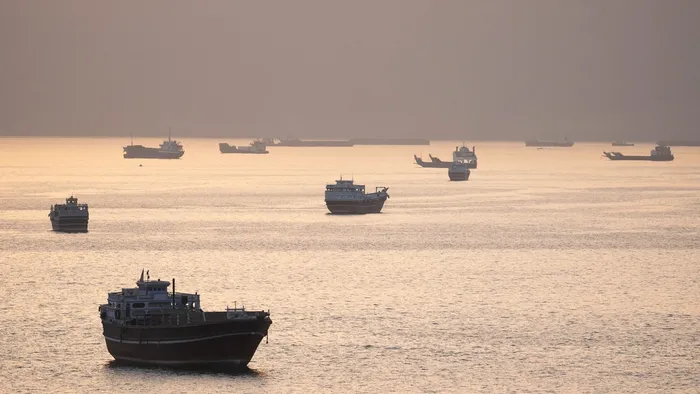
While Saudi Arabia and the UAE have limited alternative pipelines to the Red Sea or the Gulf of Oman, these routes are operating at absolute max capacity. The rest of the region’s output—including crucial volumes from Kuwait and Iraq—is trapped. When OPEC+ announces an increase in "production," they are essentially adding to the floating storage currently idling in the Persian Gulf. Observers at Harvard Business Review have also weighed in on this matter.
- Stranded Assets: An estimated 10 million barrels per day have been taken offline or stuck in transit since mid-March.
- The UAE Void: The departure of the Emirates has stripped the group of one of its only members with the technical and logistical infrastructure to bypass the Strait.
- Price Disconnect: Brent crude sits stubbornly near $108, while physical "prompt" barrels—those available for immediate delivery outside the conflict zone—are fetching massive premiums that standard tickers fail to capture.
Why the cartel is still pretending
If the barrels can’t reach the market, why bother with a quota increase at all? The answer lies in the fragile psychology of the oil futures market.
By sticking to a schedule of monthly increases, OPEC+ is attempting to prevent a complete speculative blow-off. If the group went silent, it would signal to traders that the cartel has lost all influence over the global price floor. This is a PR campaign disguised as energy policy. They are signaling to Washington and Beijing that once the "security environment" improves, the taps are ready to turn.
However, "ready to turn" is a generous interpretation. The IEA has already characterized this as the largest supply disruption in history, dwarfing the 1973 embargo. In those previous crises, the oil existed and the routes were open; today, the oil exists but the gates are locked.
The Tehran leverage
Iran’s strategy is not merely about blocking oil; it is about creating sustained economic exhaustion in the West. By allowing just enough hope for a diplomatic "peace proposal"—like the one recently floated through Pakistani mediators—Tehran keeps the market in a state of volatile suspension.
This creates a self-reinforcing crisis for shipping. Insurance underwriters have raised war-risk premiums to the point where even if a tanker is "permitted" to pass, the cost of the voyage exceeds the value of the cargo. The blockade is now financial as much as it is military.
The demand destruction trap
While the world watches the supply side, a more quiet and permanent shift is happening on the demand side. In Asia, specifically China and India, petrochemical plants have begun to "shut in" operations. They cannot afford $150 physical barrels, and they certainly cannot run plants on the "paper increases" announced in Riyadh.
We are seeing the first signs of a global recession triggered not by a lack of resources, but by a lack of access. The European Central Bank has already signaled that interest rate cuts are off the table for 2026 as energy-driven inflation becomes "sticky."
OPEC+ can increase their quotas by 188,000 or 1.8 million barrels; it won't change the fact that the world's most critical energy artery is severed. Until the maritime blockade is lifted, these monthly meetings are little more than a scorecard for a game that isn't being played on the field. The barrels are there. The intent is there. The path is not.