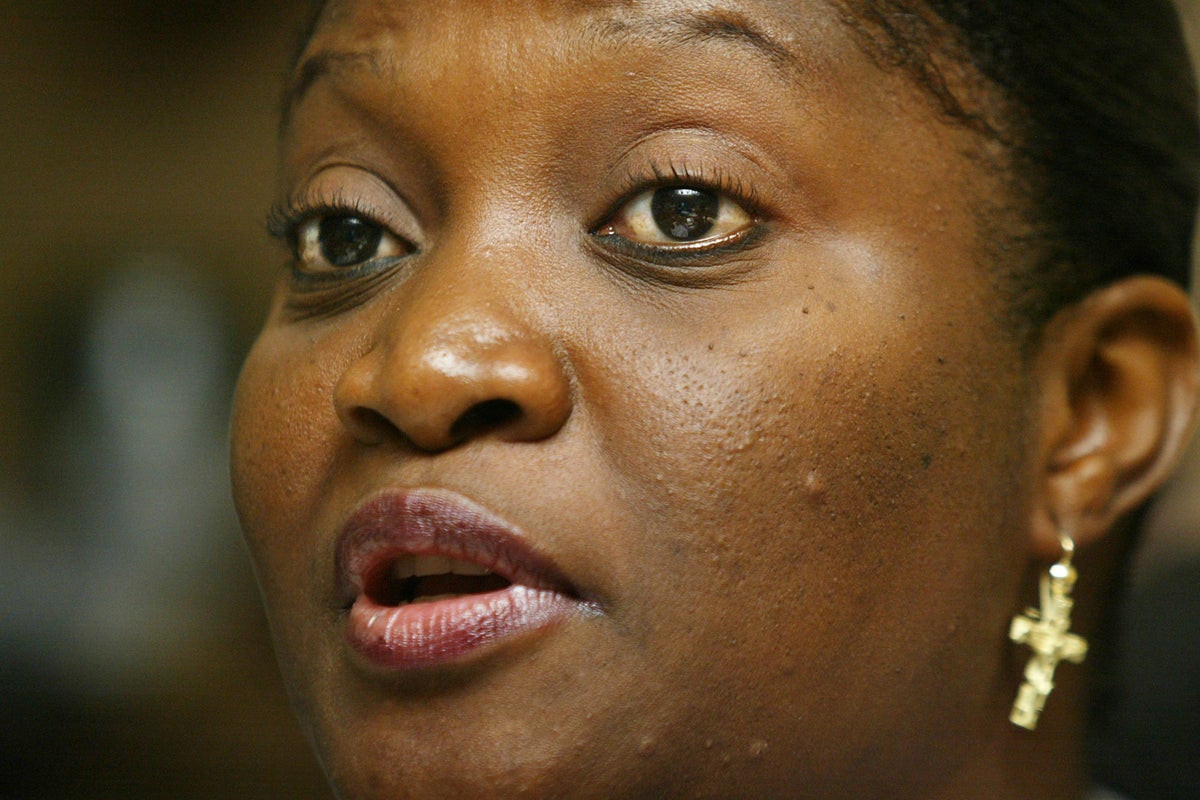
Liberia has officially charged former Vice President Jewel Howard-Taylor with drug trafficking, money laundering, and criminal conspiracy. The arrest at Roberts International Airport marks a seismic shift in a nation long struggling with the ghosts of its civil war past. This sudden takedown follows a massive seizure of approximately $317 million worth of cocaine bound for European markets, proving that West Africa remains a vital, dangerous highway for global cartels.
For decades, political immunity functioned as an invisible shield for West Africa's ruling class. When authorities intercepted Howard-Taylor as she attempted to board a flight out of Monrovia, that shield fractured. Yet, this high-profile arrest is merely the visible tip of an expansive international conspiracy stretching from South American production labs to Eastern European logistics brokers. If you liked this piece, you might want to look at: this related article.
The Transnational Cartel Blueprint
Modern drug syndicates do not rely on brute force alone. They require state-level infrastructure. The inclusion of foreign nationals—specifically Croatian citizens Nikolai Ivancic and Mihovil Vrovac alongside Ukrainian national Tara Zaderieko, all charged in absentia—illustrates the chilling efficiency of modern transnational narcotics networks.
Cartels exploit fragile coastal economies where institutional oversight remains weak. They use containerized cargo, private airstrips, and complicit financial systems to launder billions of dollars in illicit profits. Liberia, with its porous borders and post-conflict recovery challenges, became an ideal transshipment hub. The sheer volume of the recent multi-hundred-million-dollar cocaine bust demonstrates that regional traffickers stopped hiding their operations in small quantities years ago. They are moving industrial payloads. For another perspective on this story, see the latest coverage from The New York Times.
"There will be no selective justice, political protection, sacred cows or compromise with organized criminality." — Liberian Ministry of Justice
These words sound sharp in an official press statement. Translating them into convictions inside a fractured judicial system remains an entirely different battle.
The Shadow of History
The name Howard-Taylor carries heavy historical baggage in West Africa. As the ex-wife of former President Charles Taylor—currently serving a 50-year sentence for war crimes and crimes against humanity committed in Sierra Leone—Jewel Howard-Taylor occupied a position of profound dynastic influence. She transitioned from first lady to serving as vice president under George Weah from 2018 to 2024.
Her political longevity survived regime changes, institutional reforms, and international pressure campaigns. Until now.
Critics of the current administration argue that high-profile arrests can double as political theater. Supporters counter that targeting a figure of this magnitude breaks a generational cycle of impunity. To understand why this arrest matters, look beyond party politics. West Africa is shifting from a passive waypoint into an active command center for global drug distribution. When local political elites integrate into these syndicates, the state itself is compromised.
The Mechanics of Maritime and Air Smuggling
To grasp how a nation becomes a narcotics highway, examine the logistics. South American cartels, particularly from Colombia and Ecuador, partner with European trafficking cells. West Africa offers the geographic sweet spot: the shortest maritime distance across the Atlantic.
Cargo ships drop anchor off the coast, transferring product to smaller go-fast boats that slip past under-resourced local coast guards. Alternatively, private aviation utilizes remote airstrips scattered across the dense rainforests of the region. Once ashore, the narcotics require laundering channels. Real estate acquisition, front companies, and complicit banking officials absorb the cash.
The charges against Howard-Taylor specifically name unlicensed importation of controlled substances and criminal solicitation. These legal terms translate to real-world corruption: the quiet phone calls, the customs clearances granted without inspection, and the protection of storage facilities housing multi-ton shipments.
The Regional Domino Effect
Liberia is not an isolated theater. Across the Gulf of Guinea, similar crackdowns reveal a continental trend. Governments face mounting pressure from international bodies like the United Nations Office on Drugs and Crime to secure their ports.
When law enforcement agencies seize hundreds of millions of dollars in product, the cartels respond with violence, bribery, and institutional subversion. The indictment of three European nationals in this same sweep confirms that foreign logistics experts reside at the heart of these operations. They manage the maritime coordinates, the encrypted communications, and the secure wire transfers. Local politicians provide the political umbrella.
Defense attorneys have already begun pushing back against the speed and procedural handling of the indictment. Kabineh M. Ja'neh, counsel for Howard-Taylor, noted that formal access to the complete case file remains an immediate hurdle. The legal battle ahead will test whether documentary evidence can withstand the pressures of partisan loyalty and defense maneuvering.
The Brutal Reality of Reform
Prosecuting a former vice president requires extraordinary institutional courage. It also risks triggering political retaliation or civil unrest from loyalist factions. Yet, folding under pressure guarantees the total criminalization of the state apparatus.
The international community watches Monrovia closely. If these prosecutions proceed to a transparent, fair trial with binding verdicts, a new precedent takes root. Power no longer guarantees immunity from the global war on narcotics.
The handcuffs clicked shut at Roberts International Airport, but the network that built this corridor remains active across multiple continents, waiting to see who steps up to fill the void.