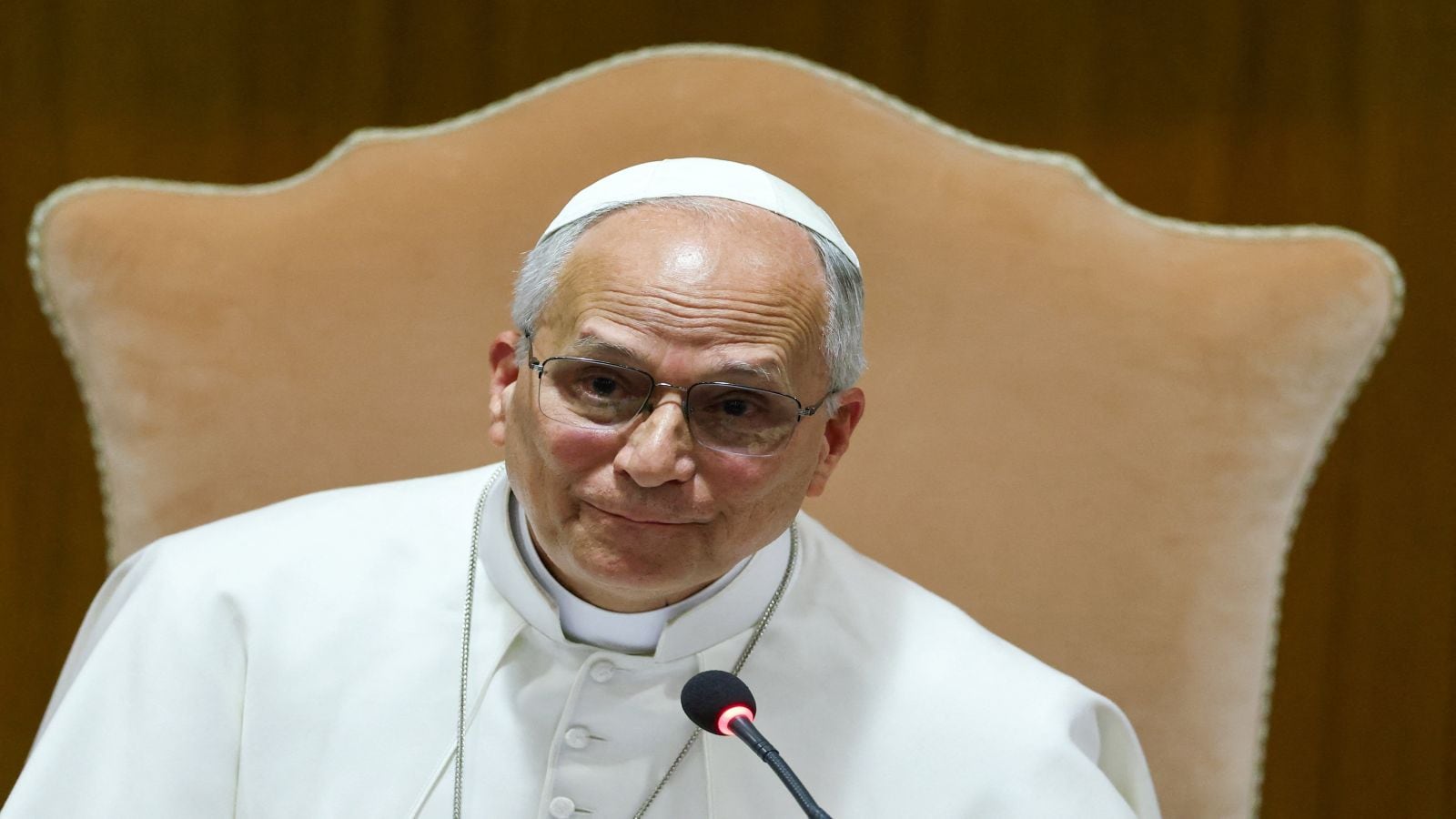
Pope Leo XIV returns to his weekly Wednesday general audience in St. Peter's Square on October 21, 2026, marking his first major public appearance with pilgrims since undergoing lung cancer surgery just eight days earlier. The operation at Rome's Gemelli Hospital removed the lower lobe of his right lung after routine screening uncovered a malignant tumor—specifically pulmonary adenocarcinoma—that had caused no symptoms.
A routine headline about a Wednesday audience misses the real story. Beneath the ritual of a papal return lies a sharp tension between medical recovery, institutional optics, and the grueling demands of modern global leadership.
Why the Wednesday Audience Matters Beyond Protocol
For decades, the Wednesday general audience has functioned as the Vatican's most reliable public barometer. Tens of thousands of pilgrims gather in St. Peter's Square, weather permitting, expecting a familiar rhythm: a blessing, a catechesis, and often a sweep through the crowd in an open-top popemobile. When Pope Leo XIV stepped back into that routine on October 21, 2026, he was not merely checking a box on his calendar. He was testing whether his body could absorb the sensory and physical toll of office eight days after thoracic surgery.
Electing a younger pontiff in May 2025—Leo XIV is 71, making him the youngest pope in decades—was supposed to buy the Catholic Church years of administrative stability. Age buys statistical odds, not immunity. A shadow spotted during an annual checkup turned a routine physical into an immediate surgical intervention on October 13.
Anyone who has covered the Vatican long enough knows how quickly a health scare shifts the mood inside the Apostolic Palace. Publicly, officials speak of tranquility, independence, and smooth recovery. Privately, staffers count steps, monitor fatigue, and watch how a man who had no symptoms weeks earlier handles standing, speaking, and greeting crowds.
The Clinical Reality Behind a Fast Turnaround
Lung cancer surgery sounds terrifying to the lay public. Rightly so. Yet medical specifics matter enormously when separating theater from clinical reality.
According to medical reports from the Vatican, Pope Leo XIV was diagnosed with pulmonary adenocarcinoma, the most common form of lung cancer. Surgeons removed the lower lobe of his right lung at Gemelli Hospital and discharged him on October 17 after five inpatient days. By October 21, his lead surgeon, Dr. Stefano Margaritora, and his personal physician, Dr. Luigi Carbone, stated that a follow-up oncological evaluation showed no further therapy—such as chemotherapy or radiation—was required.
That is a remarkably encouraging clinical turn, though it comes with unavoidable caveats. Early detection during a routine scan often gives surgeons a cleaner shot at localized removal. Still, removing a lobe of a lung is major surgery. Even when oncology clears a patient from adjuvant treatment, chest wall soreness, reduced stamina, and respiratory adjustment take weeks or months to settle.
"I'm not 100% but I'm pretty good. Endurance is one of the gifts the Lord gave me." — Pope Leo XIV, reflecting on his post-surgery recovery
It is also worth noting a persistent misconception that lung cancer happens almost exclusively to heavy smokers. Physicians and oncologists have repeatedly pointed out that roughly one in five people diagnosed with lung cancer have no history of smoking. Pope Leo XIV was not known to be a smoker. His case underscores how screening and non-smoking risk factors intersect—even for public figures who appear outwardly vigorous.
What Doctors Disclosed and What They Held Back
Transparency at the Vatican has always been a balancing act. Compared with past eras marked by secrecy or euphemism, Leo XIV's team released timely updates on admission, discharge, lobectomy, and the absence of follow-up cancer therapy.
At the same time, early reporting noted that doctors had not publicly detailed every granular pathology metric, such as exact tumor dimensions or lymph node involvement, beyond confirming successful removal and no need for additional treatment. In high-stakes public institutions, medical privacy and public reassurance frequently collide. A patient has a right to confidentiality, even when millions of people feel invested in his health.
Surgeons vs. Diplomats Over a Grueling Schedule
The clearest fault line after the Wednesday audience was not medical—it was logistical. On the calendar loomed a massive South American itinerary from November 6 to 17, 2026, spanning Uruguay, Argentina, and Peru across roughly a dozen flights, two helicopter legs, and high-altitude stops.
Doctors and senior Vatican officials offered noticeably different tones about the pace ahead. Surgeon Stefano Margaritora indicated the pontiff could be ready in time and saw no clinical barrier to the trip. Secretary of State Cardinal Pietro Parolin sounded more cautious, signaling that the pope might need to adjust his pace depending on his physical condition.
Experienced observers recognize that dynamic immediately. Surgeons measure mechanical healing and immediate clinical clearance. Diplomats and event planners measure cumulative exhaustion—jet lag, crowds, security protocols, altitude, and back-to-back speeches over nearly two weeks.
Hypothetical Scheduling Stress Test
Consider a hypothetical scenario to see how travel strain compounds post-operative recovery. Suppose a 71-year-old patient undergoes a lower lobectomy in mid-October and resumes public speaking a week later. Even with zero further cancer treatment required, flying across time zones, moving through airports and motorcades, and visiting high-altitude cities within three weeks places sustained demand on cardiovascular and respiratory reserves. A single day looks manageable on paper. Ten consecutive days of travel compress recovery time into almost nothing.
In practice, Pope Leo XIV pressed ahead with the South American journey and even canceled his October 27 trip to Assisi after doctors recommended additional recovery time—a pragmatic move showing that pacing decisions were being made dynamically rather than rigidly.
Resignation Rumors and the Weight of Papacy
Whenever a pope enters the hospital, speculation about resignation follows close behind. Recent history makes that reflex almost automatic. Pope Leo XIV, however, pushed back against the idea of a provisional letter of resignation, stating he saw no need for one and insisting his agenda and priorities remained unchanged.
That stance makes sense given the timing and nature of his diagnosis. The tumor was caught early during a checkup, removed surgically, and declared free of any requirement for ongoing oncology therapy. Stepping aside—or drafting a conditional exit—over a localized tumor that did not require follow-up treatment would have signaled a crisis that the clinical picture did not support.
| Factor | Medical Perspective | Institutional Perspective |
|---|---|---|
| Primary Procedure | Lower right lung lobe removed on Oct. 13, 2026 | Rapid return to public visibility to steady morale |
| Follow-Up Therapy | None required after oncological review | Reassures global flock of continuity in leadership |
| Public Appearances | Gradual ramp-up; some events trimmed or delayed | High-profile audiences and major international tours |
| Long-Term Outlook | Ongoing monitoring and stamina rebuild | Focus on agenda stability without resignation talk |
What This Moment Reveals About Preventive Care and Power
Strip away the vestments and marble columns, and Pope Leo XIV's return to the Wednesday general audience highlights two grounded truths. First, early detection through routine screening changes outcomes—a point the pontiff himself emphasized when urging people not to avoid checkups out of fear. Second, returning to public duty is rarely a single switch flipped on a calendar; it is a series of daily trade-offs between what a leader wants to project and what a healing body can sustain. Watch how a leader manages quiet recovery days between big moments, because real endurance shows up long after the cameras turn away.