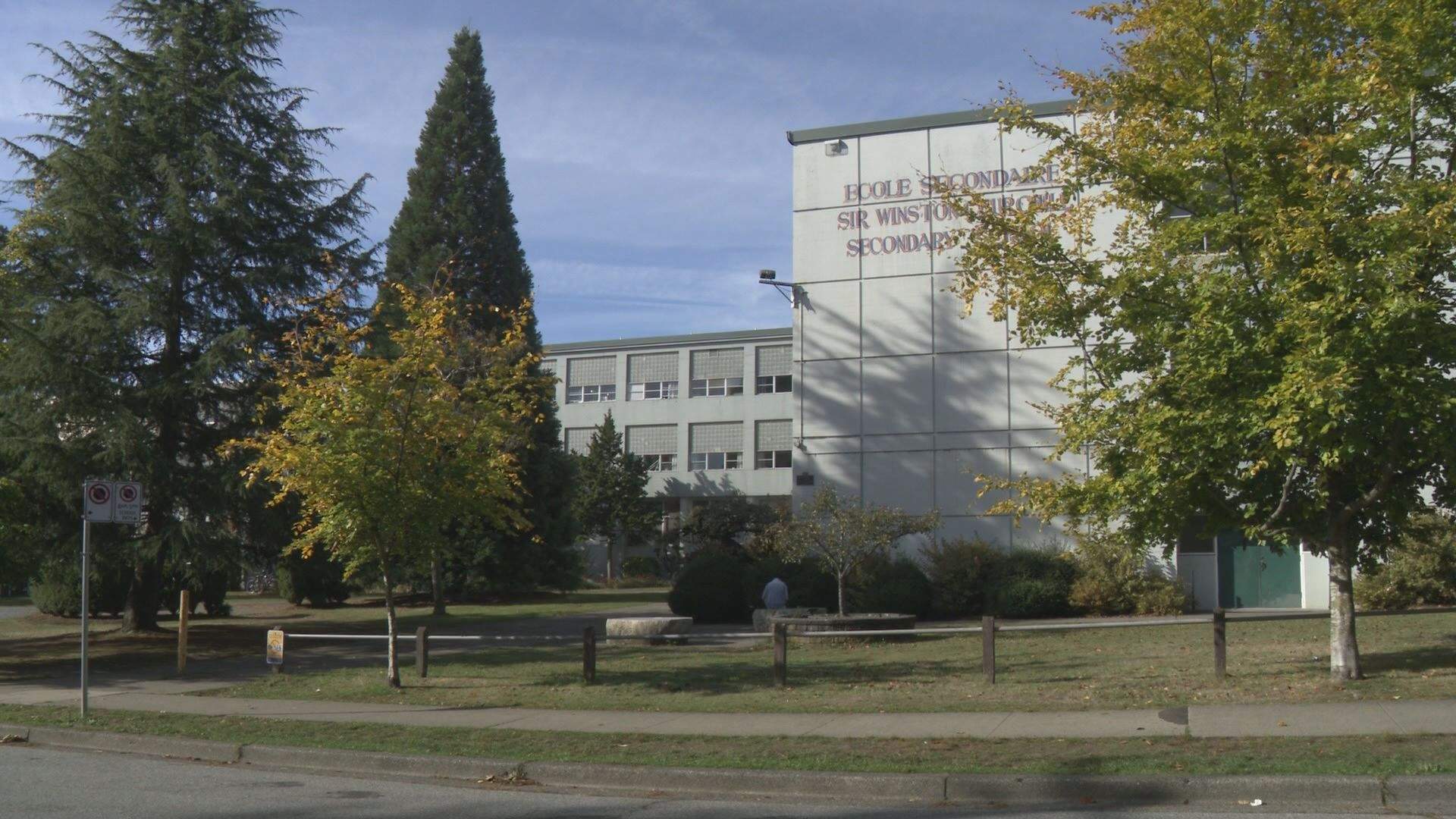
Vancouver police and the Vancouver School Board launched an investigation in mid-October 2026 into disturbing online behaviour involving Grade 12 students at Sir Winston Churchill Secondary, centered on allegations that male students generated AI content depicting female peers. The probe puts a spotlight on a collision between consumer generative tools, teenage peer dynamics, and public institutions designed for a slower, paper-trail world.
A press release and a brief wire story usually treat this kind of headline as a standalone shock. It is not. Anyone who has spent twenty years watching schools, courts, and tech platforms collide recognizes the pattern immediately. A rumor ripples through hallways and group chats. Parents hear fragments over dinner. School administrators scramble to understand what actually happened before deciding whether they are looking at a student code-of-conduct violation, a digital safety threat, or a potential criminal matter.
The core tension is straightforward. Consumer AI tools can now alter images, fabricate scenes, and synthesize voices in seconds on a standard phone or laptop. Public school boards and municipal police departments operate under strict legal thresholds, privacy rules, and evidentiary standards that move at a deliberate crawl.
Why Teen AI Incidents Blindside Schools and Police
Most school districts built their digital policies around classic problems. Cyberbullying meant mean posts on social media. Cheating meant copying from a website or passing answers in a chat room.
Synthetic media breaks those categories. A fabricated image or altered clip does not look like a traditional threat letter or an obvious forgery until someone examines it closely. Worse, by the time adults hear about it, copies or screenshots may already have bounced across encrypted chats, temporary stories, or private servers that leave thin forensic trails.
Investigators face a difficult reality. Attribution is hard. A teenager using a third-party generator, a virtual private network, or a throwaway account can create plausible deniability that takes weeks of digital forensics and platform cooperation to untangle. Even when investigators identify who generated a file, proving who shared it further—or whether it crossed into criminal harassment, non-consensual distribution, or other offenses—depends on exact facts that are rarely clear on day one.
When a rumor reaches the principal's office, the digital spread has usually already outpaced the institutional response.
There is also a jurisdiction gap. School officials can manage learning environments, enforce codes of conduct, and connect students with counselors, yet they lack police powers to seize devices or compel platform records. Police have investigative authority, yet many online incidents involving minors sit in gray zones where criminal thresholds are high, parental consent and youth justice protections shape every step, and public updates must stay tight-lipped to protect witnesses and suspects alike.
Consider a hypothetical example to see how quickly the lines blur. Suppose a student takes an ordinary photo from a public school event and runs it through an AI editing tool to place the classmate in an embarrassing or fabricated setting, then posts it to a small group chat. Even if the image is clearly fake to anyone who looks closely, the emotional impact on the person depicted can be immediate and severe. Yet the legal and disciplinary questions—intent, distribution, consent, age of those involved, and whether the conduct occurred on or off school time—require careful verification before anyone can state conclusions publicly.
The Hidden Mechanics Behind Synthetic Peer Harm
To understand why these cases keep surfacing in high schools, look at the incentives baked into teenage social life and modern software.
First, friction is near zero. Five years ago, creating a convincing fake image required technical skill, specialized software, and hours of effort. Today, free or low-cost tools turn a prompt and a reference photo into a finished output in moments. When a tool lowers the effort required to cross a line, impulsive group dynamics do the rest.
Second, group chats reward escalation. Teenagers rarely act in a vacuum when online misconduct happens. A joke starts in a small circle, gets shared as a dare or a "look at this," and snowballs before anyone stops to think about permanence or consequences. Peer pressure turns private cruelty into a shared inside joke—until someone outside the circle sees it and reports it.
Third, platforms rarely give schools clear visibility. Most of the apps and generators students use are consumer products built for global scale, not K-12 accountability. School IT filters can block certain domains on campus Wi-Fi, yet students carry personal cellular data and home connections everywhere they go. Filtering a school network solves a fraction of the problem.
What Gets Missed in Surface Coverage
Fast news coverage tends to flatten complex youth incidents into two camps: moral panic on one side and dismissal as "kids being kids" on the other. Both miss what actually matters.
Moral panic treats every rumor as a confirmed crime before facts are verified. That can taint witness memories, heighten fear among students who have nothing to do with the incident, and push institutions into rushed statements they later have to walk back. Dismissal goes the other way, treating fabricated or manipulative media as harmless digital pranks while ignoring real harm to reputation, trust, and safety inside a school community.
A harder, more honest look asks three questions that rarely fit into a sixty-second broadcast clip:
- How did the material circulate? Creation, private sharing, and wider distribution carry very different legal and human consequences.
- Who is carrying the burden? Targets of harmful online behaviour often end up feeling pressured to stay home, change routines, or prove their own version of events.
- What happens after the headline fades? Investigations take time, and classrooms still have to function while rumors linger.
Legal and Institutional Limits Nobody Likes to Hear
Parents looking at a case like the investigation involving Sir Winston Churchill Secondary naturally want swift answers and decisive action. In practice, speed and fairness often pull in opposite directions.
Youth privacy laws exist for a reason. When minors are involved—whether as complainants, witnesses, or subjects of an inquiry—police and school boards restrict what they disclose publicly. Silence from officials often looks like secrecy or stonewalling to anxious parents, even when restraint is required to protect ongoing inquiries and young people's legal rights.
School discipline has its own constraints. Administrators must follow fair process, gather credible evidence, and respect boundaries around off-campus conduct unless there is a clear nexus to school safety, learning, or the school environment. Overreaching on shaky facts invites appeals and legal challenges; under-reacting on clear harm erodes trust across the entire school.
| Dimension | School Board Role | Police Investigation Role |
|---|---|---|
| Primary Mandate | Student safety, learning environment, code of conduct | Public safety, potential criminal offenses, evidence gathering |
| Key Constraint | Privacy rules, fair process, limited reach off-campus | Evidentiary standards, youth justice rules, ongoing-case secrecy |
| Typical Pace | Immediate triage paired with structured administrative review | Methodical fact-finding, digital and witness verification |
| Public Communication | Broad advisories and support notices; limited case specifics | Careful updates that avoid compromising active inquiries |
No policy or filter makes synthetic media disappear. Anyone claiming a single software upgrade or a stern memo will end AI misuse in schools is selling an illusion. Tech moves fast, teenagers adapt faster, and institutions will keep playing catch-up unless adults pair clear boundaries with real accountability and candid communication.
Start by separating verified facts from hallway speculation, and ask the school and local authorities what concrete support is available to affected students right now.
Vancouver police investigate allegations of AI-generated...
This video directly covers the Vancouver police investigation into alleged AI-generated content involving Grade 12 students at Sir Winston Churchill Secondary, giving visual context to the local reporting around the case.