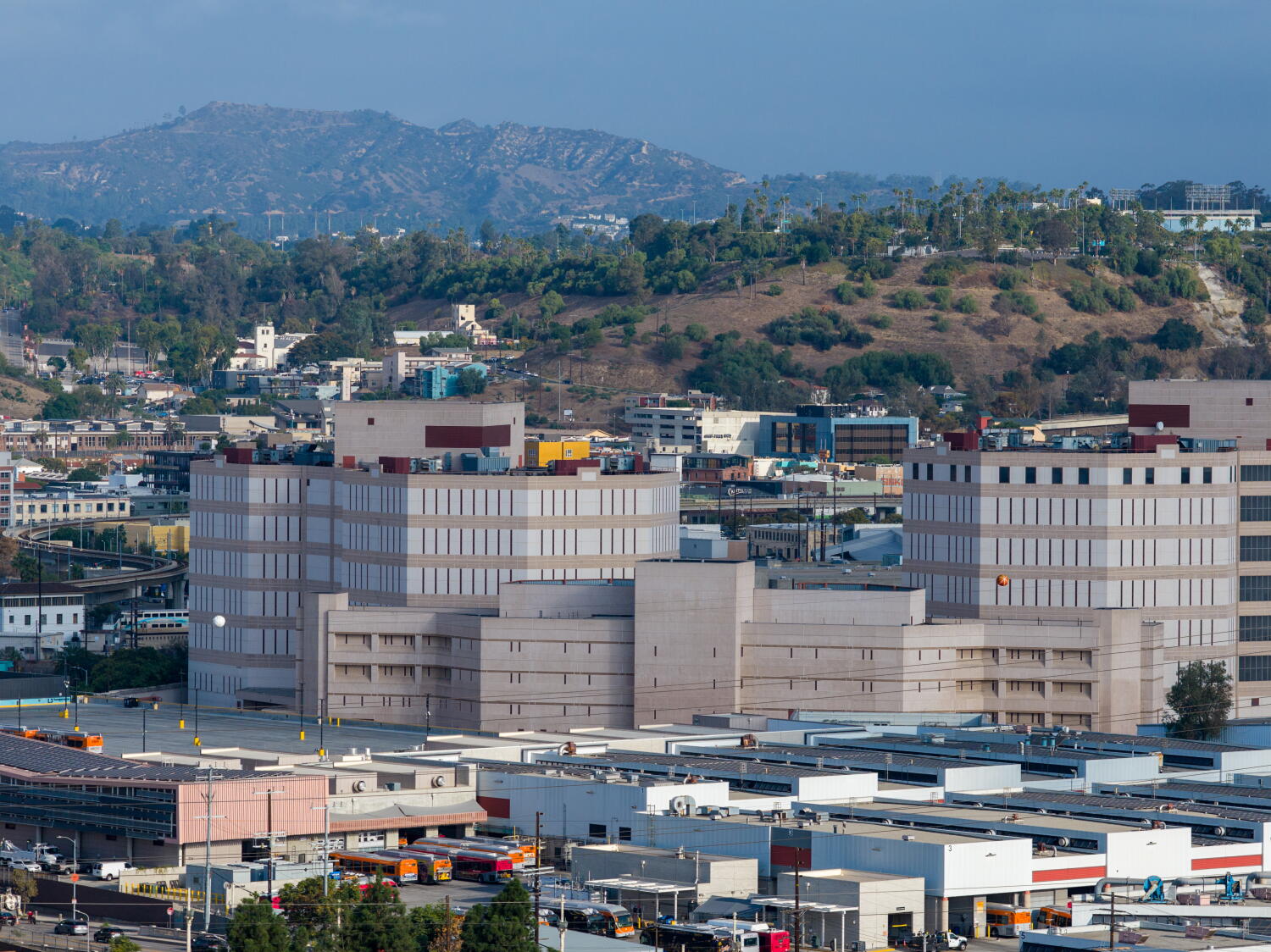
Ten deaths inside a single correctional facility within a compressed timeframe cease to be isolated tragedies and instead form a terrifying statistical indictment. At Los Angeles County’s Twin Towers Correctional Facility, the mortality count among detained individuals has sparked fierce public scrutiny, amplified by families alleging a systemic failure to provide basic medical and psychiatric care. Yet, focusing solely on the immediate tragedy misses the wider architectural rot governing municipal detention. This is not merely a story of individual negligence by overburdened correctional officers or exhausted medical personnel. It is an exposure of a profound structural collapse where a maximum-security jail functions as an involuntary, underfunded psychiatric ward, trapping vulnerable human beings in conditions that actively accelerate deterioration.
To understand the mechanics of this crisis, one must abandon the comforting fiction that urban jails operate primarily as holding pens for dangerous felons awaiting trial. A staggering percentage of the population inside facilities like Twin Towers battles severe mental illness, substance dependency, or profound physical ailments. When local municipal systems lack community-based infrastructure, the county lockup absorbs the overflow. This dynamic turns concrete corridors and steel cells into holding zones for people who require clinical intervention rather than punitive confinement.
The immediate catalyst for public outrage often stems from specific family allegations. Loved ones discover that an incarcerated relative, suffering from chronic medical conditions or acute psychological distress, spent days or weeks pleading for help before passing away in custody. Autopsy reports and internal reviews frequently reveal a heartbreaking pattern. Medication schedules are disrupted, observation protocols are routinely ignored or falsified, and the threshold for transferring a deteriorating patient to an outside hospital remains insurancetype bureaucratic hurdles disguised as security procedures.
Systemic decay leaves distinct footprints. Understaffing acts as the primary accelerator of institutional failure. When deputy-to-inmate ratios drop to perilous levels, safety checks transform into rushed, visual flybys rather than meaningful assessments. A guard staring through a tiny observation window cannot detect internal hemorrhaging, diabetic shock, or the subtle, silent surrender of someone slipping into acute clinical depression. Medical staff face similar bottlenecks. Nurses and clinicians handle caseloads that render thorough patient evaluations mathematically impossible. In this environment, survival depends on an inmate's ability to advocate aggressively for their own health, an insurmountable barrier for anyone already debilitated by psychosis, cognitive impairment, or fear.
Accountability proves remarkably elusive when deaths accumulate behind closed doors. Internal investigations move at a glacial pace, shielded by qualified immunity, powerful labor unions, and a culture of institutional self-preservation. Oversight bodies, civilian commissions, and federal monitors issue damning reports with predictable regularity, documenting constitutional violations, dangerous overcrowding, and chronic medical neglect. These reports gather dust while budgets swell and the underlying crisis deepens. The legal threshold to prove criminal liability against individual staff members remains exceptionally high, requiring direct evidence of malicious intent rather than gross systemic incompetence. Consequently, civil settlements paid out by taxpayers become the sole financial consequence, leaving the underlying machinery of the jail entirely unchanged.
Efforts to reform urban corrections routinely stumble over the tension between punishment and treatment. Critics of the current system point toward diversion programs, increased funding for community mental health clinics, and the depopulation of aging facilities as mandatory steps toward meaningful change. Proponents of traditional incarceration argue for increased security funding, yet pouring more money into antiquated concrete structures designed for punishment rather than healing yields predictably futile results. You cannot arrest and lock away a public health crisis and expect a positive clinical outcome.
As legal challenges mount and public pressure intensifies, the future of Twin Towers remains bitterly contested. Civil rights attorneys push for federal receivership or court-ordered population caps, measures fiercely resisted by local administrators who cite logistical chaos. Meanwhile, families continue to bury their dead, carrying the burden of grief and unanswered questions. The machinery grinds forward, processing human lives through a system built to contain rather than cure, waiting quietly for the next preventable tragedy to pierce the fortress walls.