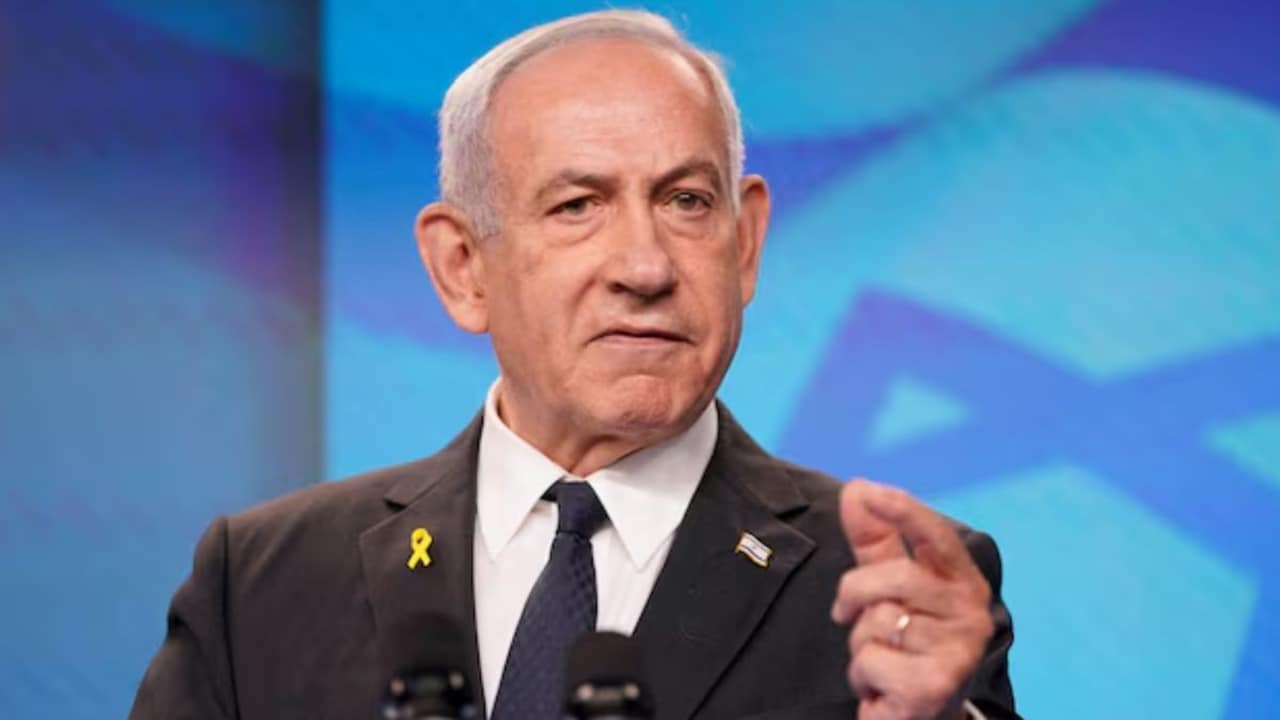
Prime Minister Benjamin Netanyahu recently declared that overthrowing Iran's clerical hierarchy is no longer a distant diplomatic pipe dream, labeling the regime weaker than ever and its removal within reach. Coming during a high-stakes military briefing in Tel Aviv, the assertion arrives against a backdrop of severe economic pressure, degraded proxy networks, and a recalibrated US-Israeli military posture. Yet beneath the rhetorical veneer of inevitable triumph lies a complex labyrinth of regional retaliation, domestic political positioning, and structural risks that analysts ignore at their peril.
For decades, Jerusalem treated the Islamic Republic as an existential threat to be contained through covert action, cyber warfare, and targeted assassinations. The strategic calculus shifted profoundly following the multi-front explosions of recent years. With core proxies like Hamas and Hezbollah severely dismantled, and direct exchanges of missile fire piercing the myth of Iranian invulnerability, Israeli leadership calculates that the ideological spine of the Islamic Revolutionary Guard Corps is brittle.
When a state apparatus loses its external deterrent capacity, internal vulnerabilities tend to compound rapidly.
The Anatomy of State Fragility
To understand why Israeli intelligence assesses the regime as structurally compromised, one must examine the economic ledger. Tehran faces chronic currency depreciation, crippling energy sector sanctions, and hyperinflation that turns basic subsistence into a daily crisis for the working class. Past popular uprisings, notably the Mahsa Amini protests, exposed a profound, unbridgeable chasm between the ruling clerics and a youthful, Western-oriented populace.
However, authoritarian stability does not rely exclusively on public affection. It relies on the absolute loyalty of security monopolies.
[Economic Decay] ---> [Erosion of Patronage Networks] ---> [Internal Security Strain]
When state coffers run dry, the financial grease that keeps elite security units loyal begins to evaporate. Defections rarely happen overnight; they manifest first as quiet disengagement, administrative paralysis, and hesitation among mid-level commanders.
The Danger of Overreach
Labeling a cornered adversary weak can create dangerous tactical blind spots. Iran retains a formidable arsenal of asymmetric capabilities, including ballistic missile stockpiles and active cyber warfare units capable of disrupting critical infrastructure across the Middle East and beyond. Furthermore, the regime has demonstrated a historical resilience rooted in institutionalized paranoia and brutal internal repression.
A hypothetical scenario illustrates the hazard. If external pressure forces the security apparatus into an existential corner without providing a viable off-ramp or managing the resulting power vacuum, the state may fracture into competing warlord-led fiefdoms rather than transitioning into a stable democracy. Libya after 2011 serves as a stark historical reminder that dismantling a dictatorship without a meticulously engineered succession plan often yields prolonged regional chaos rather than liberation.
Domestic Imperatives and Strategic Timing
Timing in statecraft is rarely divorced from political survival. Netanyahu's public pivot toward explicit regime change unfolds under the shadow of looming general elections, where domestic opposition critics routinely challenge his handling of long-term security architecture. Framing the confrontation as the final stretch of an epic historic struggle rallies a war-weary public behind the flag.
Yet the gap between desiring an outcome and engineering it remains vast. Washington's commitment to maximum economic strangulation provides the financial anvil, but the kinetic hammer carries immense economic blowback for global energy markets and international shipping lanes.
The clerical regime in Tehran is undoubtedly absorbing unprecedented shockwaves from coordinated military and economic campaigns. Whether that strain translates into a terminal collapse or merely hardens the regime into a more desperate, unpredictable actor will depend less on public declarations and more on the silent fractures within the security elite.
The endgame has begun, but how it unfolds remains entirely unwritten.