
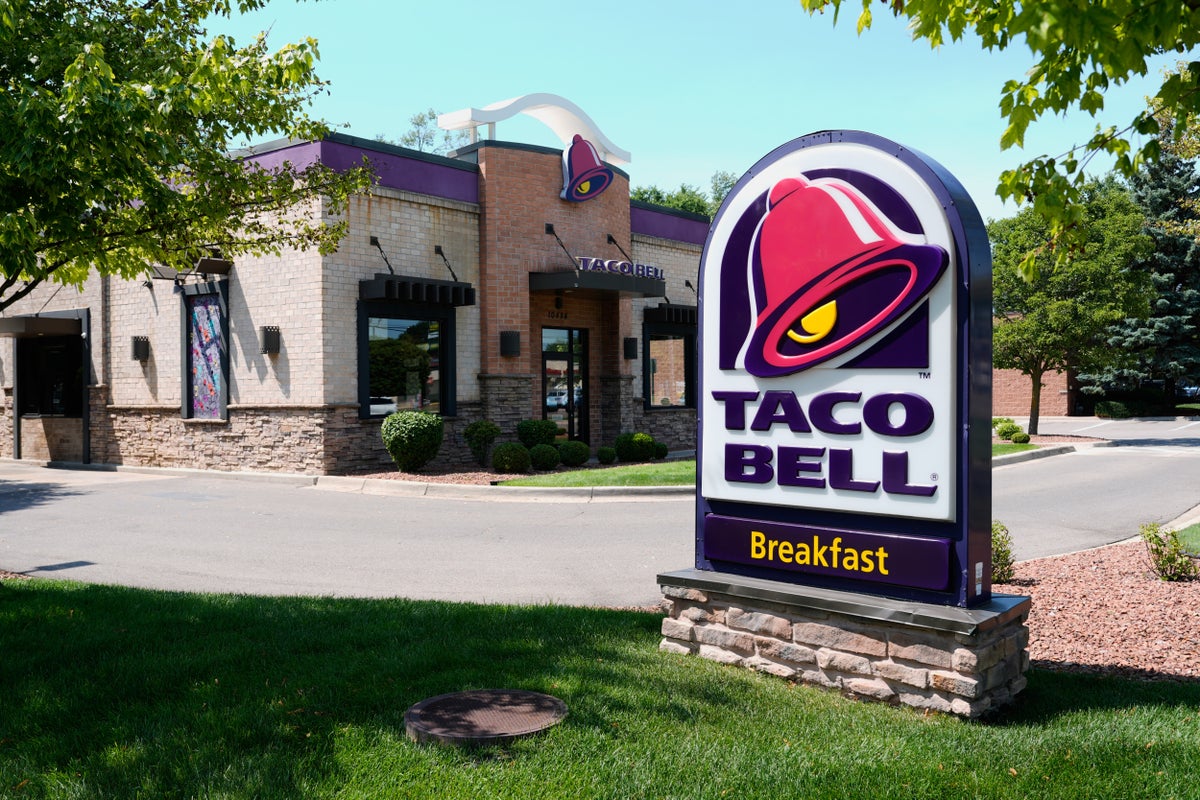
A microscopic parasite has compromised the supply chain of one of the largest fast-food operations in the United States, leaving over 1,600 people sick and exposing profound vulnerabilities in how fresh produce moves across international borders. Federal health officials have officially traced a massive multi-state outbreak of cyclosporiasis back to shredded iceberg lettuce supplied by Taylor Farms de Mexico and served at Taco Bell locations across five Midwestern states. The crisis, which has already resulted in nearly 100 hospitalizations, highlights a recurring structural failure in industrial agriculture rather than a simple case of poor kitchen hygiene.
By the time the Centers for Disease Control and Prevention and the Food and Drug Administration issued their formal warning, the contamination had already spent weeks spreading undetected through Indiana, Kentucky, Michigan, Ohio, and West Virginia.
The Anatomy of an Invisible Contaminant
The culprit is Cyclospora cayetanensis, a resilient, single-celled protozoan that hitches a ride into the human digestive system via water or food contaminated with human feces. Unlike common bacterial contaminants like Salmonella or E. coli, Cyclospora does not multiply on the leaf of a plant. It simply waits.
The parasite requires days or even weeks in the environment outside a host to become infectious. This characteristic makes immediate traceback incredibly difficult because a consumer does not get sick hours after eating a contaminated taco. Instead, the incubation period spans roughly a week, and sometimes up to 14 days, before the onset of severe, watery, and often explosive diarrhea.
Because routine stool cultures performed by standard medical clinics do not look for Cyclospora, patients often suffer for weeks before receiving the correct diagnosis. Doctors must order specific molecular tests or specialized staining to identify the organism. This diagnostic lag creates an enormous blind spot for public health investigators. For every lab-confirmed case added to the federal tally, dozens more go unrecorded, masking the true scale of the crisis.
The Vulnerability of the Monoculture Supply Chain
Industrial fast food relies heavily on centralized, high-volume processing facilities to keep costs low and ensure uniform taste and appearance. Shifting raw produce from fields in central Mexico to regional distribution centers in the American Midwest requires an intricate, temperature-controlled logistics network. When a single processing hub experiences a contamination event, the scale of distribution transforms a localized agricultural issue into a widespread public health emergency.
Taylor Farms de Mexico operates as a massive exporter, supplying processing ingredients to commercial entities across North America. In this specific instance, the FDA narrowed down the contamination to a single independent farm in central Mexico that contributes less than 1% of the overall iceberg lettuce supply to the United States. While that percentage sounds negligible on paper, in the context of mass market fast-food distribution, 1% translates to millions of individual servings distributed across thousands of restaurants.
The physical processing of shredded lettuce exacerbates the contamination risk.
Large-scale facilities wash, shred, and blend massive quantities of leaves from various harvests. If a single contaminated head of lettuce enters the shredding machinery, the blades and wash water can distribute the parasite across tons of previously clean product. The shredded material is then sealed into large plastic bags, creating a moist environment that preserves the parasite as it travels thousands of miles in refrigerated trucks.
The Epicenter and the Surveillance Gap
While federal agencies track cases nationally, individual states experience the burden unequally. Michigan has emerged as the clear epicenter of this specific spike in infections. State health departments often detect anomalies long before federal databases reflect the trend, creating tension between local urgency and federal caution.
The discrepancy in data reporting highlights a fundamental flaw in the national health surveillance system. The CDC relies on a complex chain of verification that introduces an inherent six-week lag between the day a patient becomes ill and the day that case appears on a federal map. Local laboratories must confirm the parasite, report it to county officials, who then notify the state, which eventually uploads the anonymized data to federal tracking platforms.
During this multi-week bureaucratic transmission process, consumers continue to order food from the affected supply chain. Taco Bell moved to eliminate the implicated supplier from its system once the data became undeniable, but the underlying mechanism of the outbreak had already completed its cycle. The food was long gone, eaten weeks before the public health alert reached the smartphones of consumers.
Border Inspection and Regulatory Blind Spots
The regulatory framework tasked with protecting the American food supply faces an asymmetric battle against volume. Millions of pounds of fresh produce cross the southern border every single day. Inspecting every crate, or even every truck, is physically and logistically impossible without completely halting international commerce.
The FDA has responded to the outbreak by increasing screening at ports of entry for products originating from the affected region. However, this measure is purely reactive. Spot-checking a tiny fraction of incoming shipments rarely catches a parasite like Cyclospora, which is microscopic and unevenly distributed throughout a crop field.
Furthermore, traditional chemical washes used in commercial food production do not reliably kill Cyclospora oocysts. Chlorine and other sanitizers effectively eliminate bacteria, but the protective wall of a protozoan parasite allows it to survive standard industrial washing protocols. The only surefire way to eliminate the parasite from produce is through thorough cooking, an option that is completely off the table for crisp iceberg lettuce intended for tacos and salads.
Structural Realities of Sourcing
Fast-food corporations operate on razor-thin margins that heavily penalize supply chain disruptions. Diversifying suppliers sounds like a logical safety measure, but it diminishes the purchasing power that corporate procurement offices rely on to keep menu prices stable. Relying on a mega-processor like Taylor Farms allows for unprecedented efficiency, but it simultaneously concentrates systemic risk.
When an outbreak occurs, the financial and legal fallout spreads along the supply chain. Lawsuits have already been filed against restaurant operators in federal courts, alleging that contaminated ingredients caused severe long-term illness. The legal battles ahead will focus heavily on tracing accountability through the opaque layers of growers, brokers, processors, and franchise owners.
The reality of modern food production means that as long as consumers demand fresh, raw produce year-round at low price points, the system will remain vulnerable to environmental contaminants. Finding a solution is not a matter of passing stricter laws or issuing more press releases. It requires a fundamental reassessment of how industrial agriculture manages clean water access and worker sanitation in the fields where the food is grown. Until those systemic agricultural practices change at the farm level, the next multi-state outbreak is merely a matter of time.

.png?width=1200&auto=webp&trim=0%2C0%2C0%2C0)
