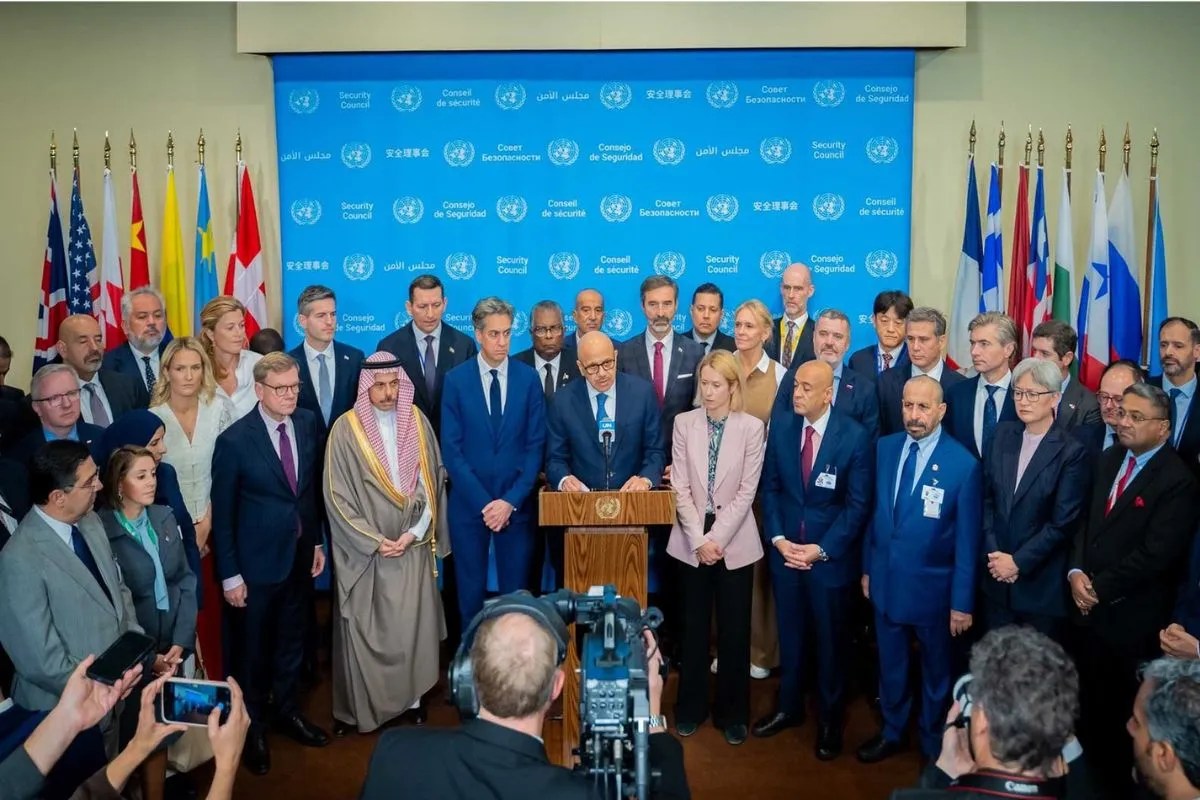
The global economy runs on thin margins and narrow channels, yet eighty nations standing together at the United Nations to demand the reopening of the Strait of Hormuz reveals a terrifying reality. When a waterway barely twenty-one miles wide at its narrowest point gets choked by geopolitical friction, modern commerce does not bend; it breaks. Led by Bahrain, this coalition of international actors is not merely issuing diplomatic complaints. They are sounding the alarm over a maritime blockage that threatens to turn energy scarcity into widespread food insecurity and systemic inflation.
For months, maritime traffic through this crucial Persian Gulf artery has faced severe disruptions, leaving thousands of seafarers stranded and vital oil and gas supplies trapped. Analysts who spent decades modeling supply chain resilience underestimated how quickly a localized conflict could cascade into global trade paralysis. Insurance premiums for commercial vessels operating near the Gulf have surged past historical norms, while major shipping lines bypass the region entirely, adding weeks to transit times between Asia and Europe.
The Mechanics of the Chokepoint Collapse
To understand why eighty countries are suddenly galvanized, look at the physical flow of commodities. Roughly a fifth of the world’s petroleum consumption and significant shipments of liquefied natural gas move through these waters. When navigation faces systematic threats from state-backed actors and militant proxies, the impact hits fertilizer manufacturing plants first. Natural gas serves as the primary feedstock for nitrogen-based fertilizers.
A restriction in Gulf energy supplies immediately spikes fertilizer production costs worldwide. As fertilizer prices climb, farmers in developing nations scale back application rates, directly imperiling upcoming crop yields.
Consider a hypothetical case study involving a mid-sized agricultural economy in East Africa. Dependent on imported urea and ammonia from Middle Eastern suppliers, a sixty-day delay in shipping schedules means missing the critical planting window ahead of the rainy season. The resulting harvest drops by thirty percent, triggering local famine conditions not because of weather, but because a maritime lane thousands of miles away was rendered impassable.
Diplomatic Impasse and Security Failures
The United Nations Security Council remains heavily divided over how to enforce freedom of navigation. Draft resolutions aimed at compelling compliance and deterring attacks on commercial vessels face institutional roadblocks, including vetoes from permanent members who view the security architecture through a lens of great power competition. This diplomatic paralysis leaves smaller trading nations exposed to economic shocks they did nothing to provoke.
Naval escorts and defensive coalitions have tried to secure transit corridors, but patrolling millions of square miles of open ocean against asymmetric drone and missile threats is mathematically exhausting. Defense budgets are stretched thin trying to protect every single container ship and oil tanker from intermittent harassment. Warships cannot be everywhere at once, and maritime insurers know it. Until the root causes of the confrontation are addressed at the negotiating table, underwriters will continue to price risk at levels that choke off normal trade.
The Cost of Inaction
The longer the status quo persists, the more permanent the structural damage to international trade norms becomes. When sovereign states realize that closing vital geographic chokepoints serves as an effective instrument of economic coercion, copycat disruptions will multiply in other vulnerable corridors, from the Bab el-Mandeb to the Malacca Strait.
Global trade relies on the shared fiction that ocean highways remain open to all flags during peacetime. Once that fiction shatters, rebuilding trust takes generations. Nations dependent on imported food and fuel are already quietly re-engineering their supply chains, accepting permanent inefficiencies and higher baseline costs just to insulate themselves from the next Gulf crisis.
The eighty-nation coalition at the UN represents a rare moment of broad consensus, yet consensus without enforcement teeth is merely an inventory of shared anxieties. The economic fallout continues to compound quietly in shipping ledgers and grocery aisles across the developing world.