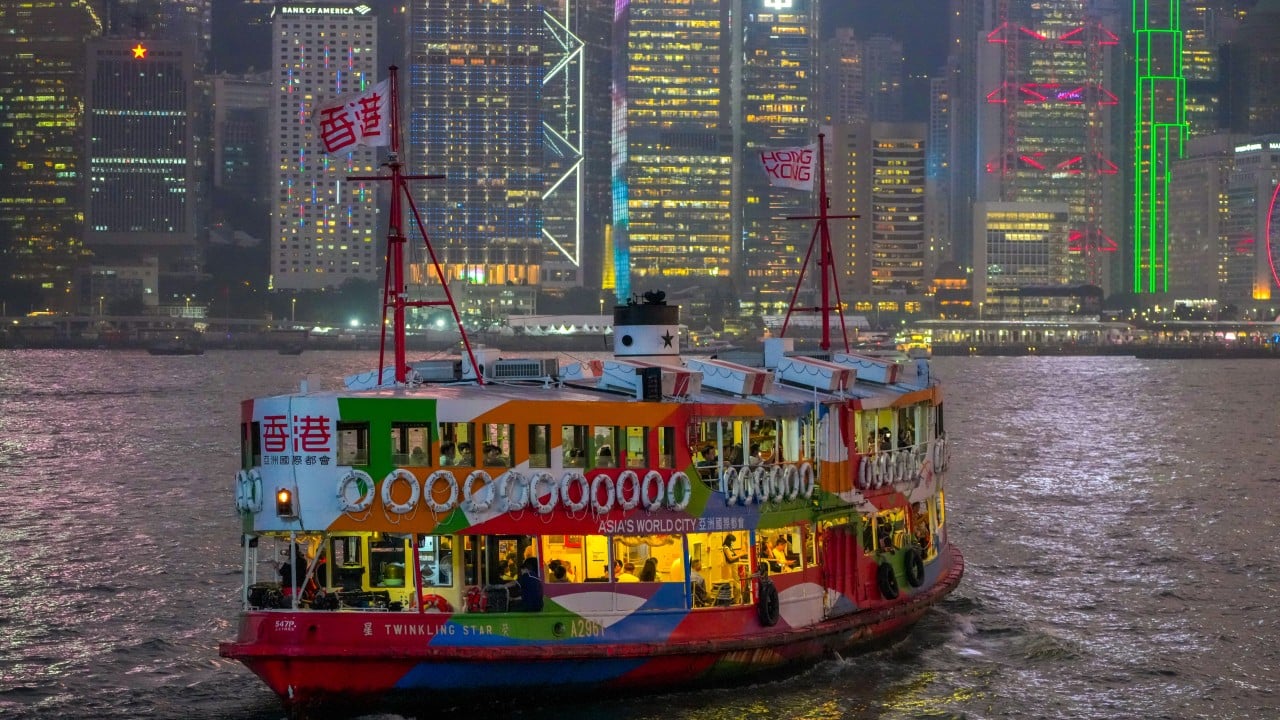
Star Ferry fares are set to climb by up to HK$1.80 starting in January, a move that looks like routine inflation adjustment on paper and reads like a slow-motion reckoning on the water. Commuters and casual riders who treat the green-and-white vessels as floating postcards are confronting a sharper financial reality. The increase hits single-journey tickets and monthly passes across Victoria Harbour, squeezing regular riders while exposing the fragile economics beneath one of Hong Kong’s most recognizable civic institutions.
For decades, people spoke of the Star Ferry as if it existed outside gravity. Ticket prices barely budged for stretches at a time. Nostalgia acted as a subsidy. Every visitor snapped photos from the upper deck, and every office worker treated the crossing as an inexpensive palate cleanser between Kowloon and Hong Kong Island. That era is colliding head-on with higher operating costs, shifting travel habits, and a transit network that has spent years redrawing how people move across the harbour.
A fare rise of up to HK$1.80 does not sound catastrophic in isolation. Over a month of daily commuting, or for a family making round trips on a weekend, those extra dollars add up quickly. More importantly, they force an uncomfortable question that polite civic conversation usually dodges. Is the Star Ferry still an essential piece of public transport, or has it become a heritage attraction trying to survive on transport-era pricing?
The Economics Behind a Harbour Crossing
Operating a fleet across a busy shipping lane is nothing like running a bus route down a flat avenue. Marine fuel fluctuates, dry-dock maintenance is unforgiving, and crew wages reflect a tight labor market where skilled mariners have plenty of alternatives. When a ferry company asks for higher fares, it is rarely chasing windfall profits; it is usually trying to stop red ink from spreading across its balance sheet.
Consider a hypothetical commuter who rides the ferry twenty working days a month in each direction. Even if a single ride goes up by just a fraction of the maximum HK$1.80 jump, forty crossings a month turns small increments into real household expenditure. For someone earning entry-level wages or relying on multiple feeder buses and rail legs to finish a trip, every upward revision chips away at the value proposition that made the boat attractive in the first place.
Ferry operators live in a punishing cost squeeze. Fixed expenses sit heavy whether the lower deck is packed or half-empty during an off-peak hour. When passenger volumes soften—whether because of remote work patterns, weather disruptions, or competing transit links—the revenue per sailing shrinks while the cost of keeping engines turning and hulls certified stays stubbornly high.
Why Rail Changed the Math Forever
Nobody in Hong Kong transport planning can ignore the gravitational pull of the MTR. Over the years, rail extensions across the harbour have turned trips that once required a transfer and a boat ride into single-seat journeys measured in minutes rather than moods. Speed wins almost every time on a Tuesday morning at 8:30 AM.
That shift changes the composition of who rides the ferry. Commuters with tight schedules migrate toward speed and frequency. Leisure riders, tourists, and off-peak travelers make up a larger share of the manifest. A rider taking a scenic trip on a Saturday afternoon behaves very differently from a daily commuter counting minutes and monthly outlays.
Pricing policy gets tangled up in that split identity. Keep fares dirt cheap, and the operator bleeds money every time a vessel leaves the pier. Raise fares too steeply, and price-sensitive riders abandon the boat for rail or buses, shrinking the very customer base needed to support frequent sailings. There is no painless equilibrium here, only trade-offs that test public patience.
Nostalgia Versus Utility on Victoria Harbour
Ask ten people why they love the Star Ferry and nine will talk about the breeze, the skyline, or the feeling of stepping out of dense concrete into open air. Emotion keeps the brand alive. Emotion does not pay for marine insurance or spare parts.
Public sentiment in Hong Kong tends to treat heritage transit as an entitlement. When fares go up, frustration flares immediately because people feel a piece of shared identity is getting more expensive. Yet sentiment rarely comes with a blank check. When costs climb year after year, someone has to cover the difference—either passengers at the turnstile, taxpayers through broader support mechanisms, or the operator absorbing losses until service quality suffers.
A city cannot demand timeless prices while expecting modern safety standards, reliable schedules, and living wages for the people steering the boats.
There is a gray area here that critics on both sides often gloss over. Raising fares by up to HK$1.80 may look harsh to a regular rider watching household bills creep up across groceries, utilities, and transport. At the same time, freezing fares indefinitely can be just as damaging if deferred maintenance or thinner frequencies hollow out the service from the inside.
Who Feels the Pinch Most
Not every passenger experiences a fare hike the same way. A visiting sightseer paying once for a harbour view treats an extra dollar or two as pocket change. A regular rider using the service as a practical link in a daily routine feels the cumulative weight much more acutely.
- Daily commuters face recurring monthly costs that accumulate across every working week.
- Budget-conscious locals weigh the boat against buses and trains that may offer transfer discounts or faster door-to-door timing.
- Weekend and leisure riders often decide spontaneously based on weather, crowds, and perceived value rather than strict cost-per-kilometer math.
Ignoring those differences leads to oversimplified arguments. A flat narrative that calls the increase either a necessary lifeline or an outright gouge misses how different pockets absorb the exact same price tag.
What the January Increase Signals for Urban Transit
A fare adjustment taking effect in January is more than a calendar milestone; it is a stress test of how much financial friction riders will tolerate on a legacy mode. Transport systems across major cities constantly wrestle with how to keep older, lower-capacity, or scenic modes viable in an era dominated by high-capacity rapid transit.
When prices rise, riders audit their habits. Some stay put because nothing else matches the calm of crossing the water. Others quietly switch to alternatives and never come back, even after the initial grumbling fades. Every fare hike carries that quiet attrition risk, especially when alternatives are convenient and familiar.
Operators also face a credibility test. Passengers accept higher prices far more readily when they see tangible reliability—punctual departures, clean cabins, clear information during delays—than when they feel they are simply paying more to stand still. Higher fares raise expectations whether management wants them to or not.
| Factor | Commuter Perspective | Operator Reality |
|---|---|---|
| Ticket Price | Adds up over repeated monthly trips | Needed to offset rising operating expenses |
| Travel Time | Often slower than direct rail alternatives | Fixed marine schedules limit speed gains |
| Experience | Open-air views and lower stress than packed cabins | High upkeep costs per passenger carried |
| Alternatives | Buses and MTR offer dense networks | Intense competition for daily riders |
Look closely at that table and you see why this debate refuses to die. Both sides are reacting to real pressures. Neither side holds all the levers.
The Hard Choices Ahead for Harbour Ferries
If the Star Ferry is going to thrive rather than merely endure, pricing tweaks alone will not settle the question of its long-term role. A January increase of up to HK$1.80 buys breathing room on costs, yet it does not magically expand commuter volume or erase structural headwinds.
Surviving as a viable marine service in a rail-heavy metropolis demands clarity about what the fleet is trying to be at different hours of the day. Treating peak commuter runs, off-peak crossings, and tourist demand as a single uniform problem leaves money on the table or leaves regular riders feeling shortchanged.
Watch how passenger numbers behave in the months after the new fares kick in, because the turnstiles will deliver the real verdict long before any press release does.



