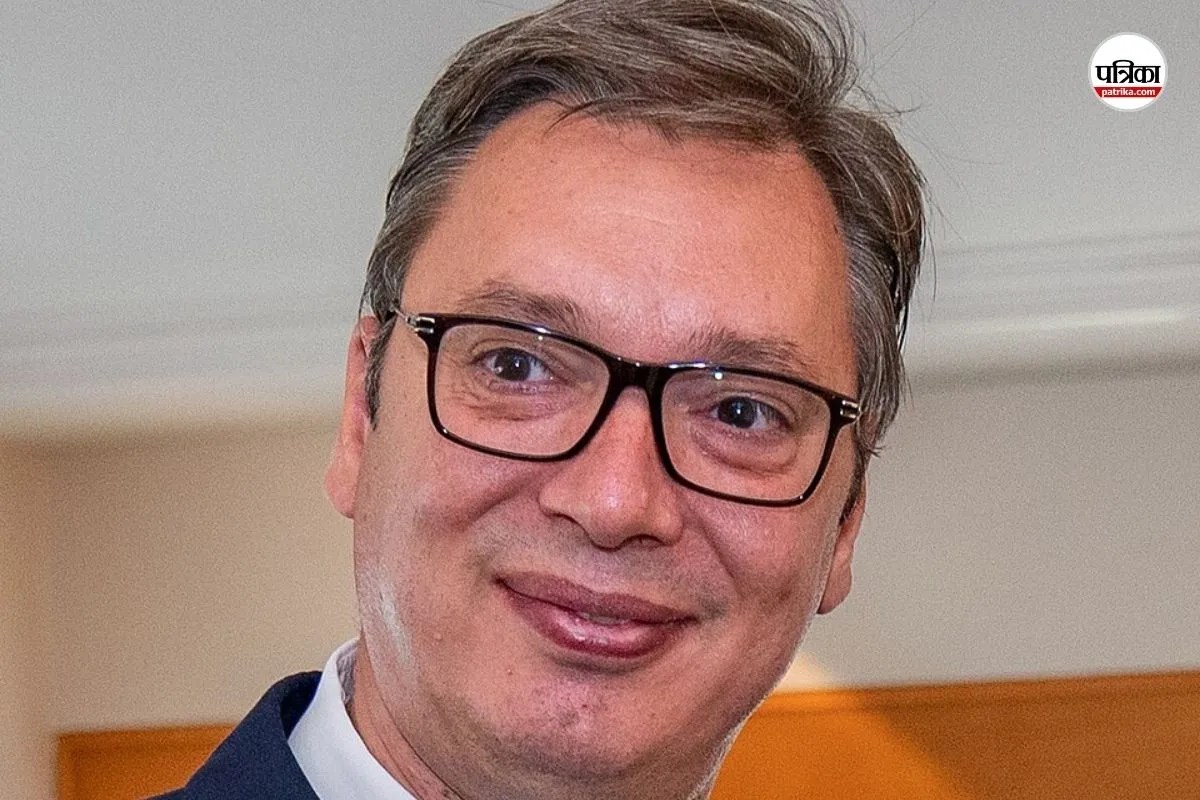
When concrete gave way at the Novi Sad railway station on November 1, 2024, killing 16 people, Serbia's political establishment treated the disaster as a routine crisis to be managed through loyal television networks and delayed paperwork. Within two years, that same tragedy became the fuse for a nationwide student uprising that shattered 14 years of rule by Aleksandar Vučić and the Serbian Progressive Party (SNS). In October 2026, the movement's Student List surged past Vučić's machine in parliamentary elections, winning 140 seats to SNS's 103 and forcing a leader who once seemed untouchable to concede defeat.
Casual observers like to frame revolutions as sudden moral awakenings. After decades covering Balkan politics, I treat that story with deep skepticism. Anger in Serbia had been simmering for years over rigged institutions, captured courts, media monopolies, and opaque megaprojects tied to foreign capital. What changed after Novi Sad was not simply the volume of grief, but the organizational discipline of university students who refused to hand their momentum over to exhausted opposition parties or charismatic strongmen.
Why Concrete in Novi Sad Became a Moral Reckoning
A canopy does not collapse on a newly renovated station by accident. The building, originally put up in 1964 and overhauled between 2021 and mid-2024 alongside Belt and Road infrastructure work, had been sold to the public as proof of modern competence. Instead, its failure exposed what critics long argued was a hollow bargain: speed and ribbon-cutting optics in exchange for public safety and contract transparency.
Families wanted answers. Students wanted accountability.
For years, Serbian citizens had grown accustomed to watching scandals burn bright for a week and then vanish inside state-aligned tabloids and stalled prosecutors' offices. The Novi Sad disaster broke that pattern because the physical evidence was undeniable and the human cost hit ordinary commuters. When students began holding 15-minute silences in honor of the dead and faced physical attacks from regime loyalists—including assaults on students from the Faculty of Dramatic Arts—the conflict shifted from mourning to defiance.
The Trap of Patronage Politics
To understand why Vučić's grip looked so solid before 2024, you have to look at how patronage works on the ground. In a country where public sector jobs, municipal contracts, and state media access are tightly rationed, loyalty isn't merely ideological. It is economic survival.
The SNS machine excelled at turning state resources into political insurance. Election monitors and European observers repeatedly flagged the blur between party campaigning and public administration, alongside heavy pressure on vulnerable voters. Traditional opposition parties struggled to crack that model because voters often doubted whether rival politicians would dismantle the patronage network or simply step inside it.
Students altered the math by starting with concrete, verifiable demands rather than sweeping slogans. They called for the release of reconstruction contracts and documents, criminal charges against those who assaulted demonstrators, the dropping of charges against arrested protesters, and higher funding for faculties. Those demands were narrow enough to understand and broad enough to indict the entire system of impunity.
How Faculty Plenums Outsmarted a Seasoned Strongman
Autocrats usually know how to fight a classic opposition leader. You smear them on prime-time television, divide their coalition, offer backroom deals, or arrest the figurehead.
The student movement denied Vučić an easy target. Operating through faculty blockades and decentralized plenums, students made collective decisions rather than elevating a single spokesperson who could be bought, co-opted, or isolated. Critics outside Serbia sometimes dismissed leaderless organizing as chaotic or naive, yet that very structure frustrated state countermeasures during the early months of the uprising.
Marches, Blockades, and Everyday Solidarity
Streets talk, and by late 2024 and 2025 they were roaring. Massive rallies in Belgrade, Novi Sad, and Kragujevac drew six-figure crowds, while multi-bridge blockades and 24-hour sit-ins turned city intersections into makeshift civic squares.
Something crucial happened between those demonstrations. Neighbors brought food, blankets, and tents to students sleeping in occupied buildings. Teachers, engineers, and utility workers joined or echoed the pushback, while high schoolers stepped onto the streets when a new school year began. A protest that started on campus became a cross-generational refusal to accept humiliation.
| Tactical Pillar | How Students Used It | Regime Counter-Move |
|---|---|---|
| Faculty Blockades & Plenums | Kept decision-making horizontal and tied campuses to local neighborhoods. | Accused protesters of disrupting education and pushed counter-narratives on loyal TV. |
| Silent Commemorations | Anchored protests in mourning for the 16 Novi Sad victims, disarming violent framing. | Faced fierce clashes, intimidation, and allegations of heavy-handed crowd control. |
| Nationwide Marches | Carried pressure from Belgrade and Novi Sad into smaller towns and key transport corridors. | Staged rival rallies and framed demonstrations as threats to stability. |
| Electoral Pivot | Converted street energy into the Student List ahead of the 2026 parliamentary vote. | Faced intense scrutiny over campaign fairness, surveillance claims, and election-day friction. |
There is an overlooked nuance here that romantics gloss over. Street energy alone rarely unseats a well-funded incumbent in a contested electoral system. Protests can force resignations—such as Prime Minister Miloš Vučević stepping down during the turmoil—or extract partial concessions, like movement on certain documents and higher education budget lines. Turning moral outrage into parliamentary seats requires a different kind of discipline.
Turning Street Credibility Into Ballot Box Power
By 2025 and 2026, the movement faced a sharp strategic fork. Stay purely in the streets and risk exhaustion as months dragged on, or enter the electoral arena without losing the trust of people who hated career politicians.
The Student List emerged as the vehicle to bridge that gap. Notably, current students could not run directly on the list, so the movement paired its grassroots legitimacy with recognizable public figures, professionals, and respected experts—including cardiologist and professor Ilija Srdanović as lead candidate, former central bank governor Dejan Šoškić, and basketball great Dejan Bodiroga.
That pairing was smart politics. Pure activists sometimes struggle to reassure swing voters that the lights will stay on and pensions will be paid; pure technocrats often lack emotional pull. Combining both gave skeptical citizens a reason to show up in historic numbers.
When the dust settled on October 25, 2026, the result stunned even seasoned Balkan watchers. High voter turnout broke through the SNS stronghold, handing the Student List a decisive plurality of 140 seats and ending 14 years of Progressive Party rule. Vučić conceded defeat, moving from the presidency's dominant perch into the opposition benches among his party's 103 lawmakers.
Geopolitics, Surveillance, and the Harder Fight Ahead
Winning an election in a captured state is the opening bell, not the final whistle. For years, Belgrade's leadership balanced European Union accession rhetoric with deep economic and military ties to China and diplomatic links to Russia, while also drawing scrutiny over high-profile foreign real estate deals—including the controversial Belgrade redevelopment project linked to Jared Kushner that collapsed amid prosecutorial action.
Foreign capitals will watch closely to see how the incoming government handles those tangled relationships. Brussels officials have already signaled readiness to back rule-of-law reforms, and Washington has voiced openness to cooperation on security and economic priorities, yet neither external blessing will fix domestic institutions on its own.
Cleaning House Without Repeating Old Abuses
The hardest test waiting for the student movement is institutional repair. Allegations of mass spyware targeting journalists, academics, opposition figures, and prosecutors—alongside fierce disputes over intelligence agency practices and harsh rhetoric from Vučić warning of future reckoning—show how raw the political terrain remains.
Here is where candor matters. Restoring public trust in courts, police, intelligence services, and public broadcasters takes years of boring, methodical work. If the new parliamentary majority uses prosecutorial power selectively or rushes through heavy-handed purges, it risks validating the very cynicism it campaigned against.
Real reform means building guardrails that outlast any single faction. That means transparent procurement rules on public infrastructure so another Novi Sad tragedy never happens out of corner-cutting, genuine independence for judges and prosecutors, and media rules that reward reporting over loyalty.
Serbia's students proved that ordinary citizens can break a seemingly unbreakable political machine when grief meets organization. Now comes the real measure of their revolution: proving they can govern with the same integrity they demanded in the streets.