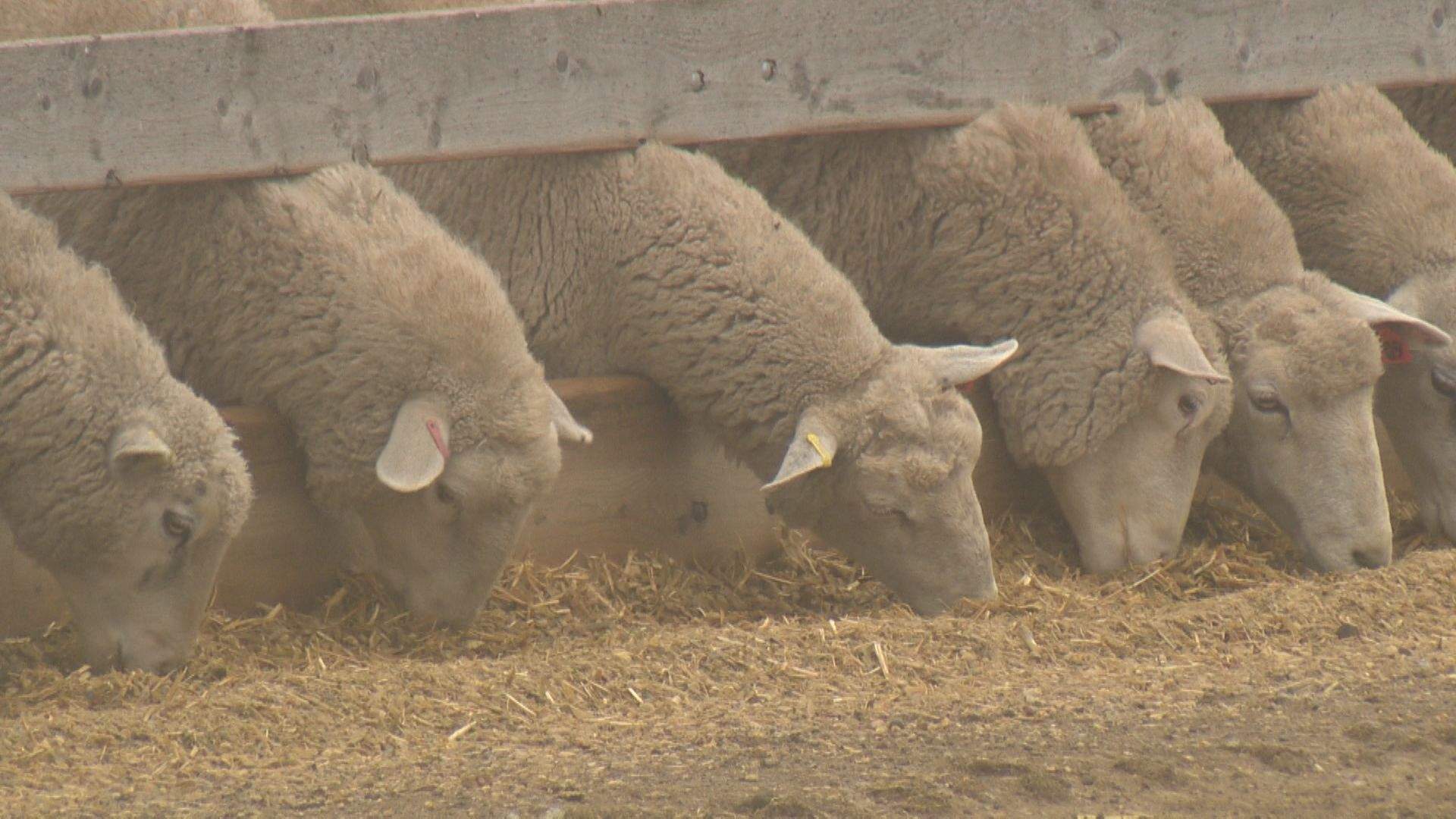
Saskatchewan sheep farming looks like a quiet triumph on paper, yet behind the strong lamb prices and modest flock rebounds sits a harsh economic trap. Across a province dominated by massive grain acres and a beef herd topping two million head, roughly 700 registered sheep producers and fewer than 80,000 total sheep and lambs operate on razor-thin structural margins.
Ask any veteran shepherd in the province about the business and you will hear two conflicting truths at once. Lamb demand has held firm, slaughter numbers climbed in 2025, and prices per pound have looked inviting compared with leaner years. Look closer at the ledger, though, and those high-sounding price tags start to shrink against expensive winter feed, tight processing bottlenecks, collapsed pelt values, and wool that costs more to handle than it returns. Recently making headlines lately: Why Getting a Raise is Actually Making You Poorer.
The real story of Saskatchewan sheep farming is not a simple tale of pastoral romance or sudden riches. It is a test of logistics, discipline, and survival in a market built for scale while most local flocks remain small.
The Illusion of High Lamb Prices
Walk into an auction mart or read a market update during a tight supply window and lamb prices can look remarkably strong. After slaughter volumes in Western Canada and Ontario jumped 11.9 percent in 2025 over 2024 and average market lamb prices pushed higher, anyone outside the fence line might assume shepherds are printing money. More information regarding the matter are explored by The Wall Street Journal.
Prices only pay bills when you have weight to sell and feed costs that do not swallow the cheque.
Short supplies often drive up per-pound quotes because buyers are competing for fewer finished animals. When tight supplies force producers to move lighter lambs early just to catch strong demand or manage feed shortages, a high price per pound does not automatically translate into high dollars per head. A lighter carcass means less total meat sold, even when the market ticker looks cheerful.
Feed is the silent judge on every prairie farm. When hay supplies tighten after dry stretches or winter stretches long and cold, cost of gain climbs fast. A lamb that takes weeks longer to reach target weight eats away the very margin that drew beginners into the barn in the first place.
There is also a persistent mismatch between domestic production and consumer habits across Canada. Thousands of tonnes of lamb and mutton are imported into the country every year, while local producers still wrestle with seasonal supply swings and regional processing limits. High import volumes prove demand exists, yet capturing that demand locally requires steady year-round supply that small prairie flocks often struggle to guarantee alone.
Why Scale Changes Everything on the Prairies
Running 50 ewes is a hobby with tax implications. Running 500 or 800 ewes is a serious industrial operation that demands serious capital, labor, and risk control.
In Saskatchewan, where grain and oilseed farms measure land in thousands of acres and heavy machinery costs more than a suburban house, sheep often occupy the margins. Sometimes they graze land too rough or irregular for high-efficiency grain equipment. Sometimes they are brought in by younger families looking for a lower barrier to entry than buying a massive cow-calf herd.
Lower entry cost does not mean lower business risk. Sheep have shorter reproductive cycles and can produce twins or triplets, which sounds great until cold weather, disease, or lambing complications hit during a busy spring. High prolificacy raises both the ceiling and the floor: more lambs mean more potential revenue, yet every lost lamb represents sunk feed, veterinary care, and labor with zero return.
To make money at scale, producers have to treat lambing, nutrition, and culling like a factory floor rather than a guessing game. That takes records, fencing, shelter, and steady cash flow. Many small operations never get past the part-time stage because the jump from a small flock to a commercially self-sustaining flock requires heavy reinvestment right when cash is tightest.
Wool and Byproducts Turned Upside Down
For generations, people outside agriculture assumed a sheep business stood on two legs: meat and wool. On the modern Canadian prairie, that second leg has largely buckled.
Raw wool in much of the market has shifted from a reliable revenue stream to an expense or an afterthought. Global fiber competition, synthetic textiles, and shifting export demand—especially tied to major overseas buyers—have weighed heavily on greasy wool prices. Shearing still has to happen for animal health and management, yet the cheque for raw fleece often barely covers the cost of handling, storing, and moving it.
A few determined producers have tried to flip that script by keeping fleeces clean, sorting carefully, and selling into niche domestic or specialty fiber channels. Those efforts can work on a boutique scale, especially when paired with direct-to-consumer storytelling or local craft markets. Still, niche fiber cannot absorb tens of thousands of fleeces overnight without washing, scouring, and processing capacity that remains scarce across the region.
The same squeeze hits predator control in an unexpected way. When coyote pelts hold little commercial value, fewer trappers and snared lines work the countryside. Predation pressure rises, forcing sheep producers to spend more on guard animals, fencing, night checks, and deterrent measures just to protect their flock.
When byproduct markets collapse, producers do not just lose bonus income; they lose natural economic buffers that used to soften rough years in the main meat business.
The Bottlenecks Hidden Behind the Barn Gate
Even a sharp shepherd who nails genetics, pasture rotation, and winter rations can get tripped up off the farm. Processing, transport, and veterinary access form a tight bottleneck around prairie sheep production.
Slaughter capacity and inspection rules shape how smoothly lambs move from pasture or feedlot to retail and foodservice buyers. Trucking distances across Western Canada are long, and when transport is tight or plant schedules back up, holding extra animals costs money every single day.
Veterinary support presents another quiet hurdle. Large-animal clinics across rural Saskatchewan are heavily geared toward cattle and mixed grain-livestock farms, leaving fewer specialists who focus deeply on small-ruminant medicine, parasite resistance, and flock health programs. Preventive herd health—smart deworming, biosecurity, nutrition balancing—is far cheaper than treating outbreaks after they flare, yet access to specialized guidance varies widely by region.
Consider a hypothetical example of a 250-ewe Saskatchewan farm trying to expand direct lamb sales. On paper, selling cut-and-wrapped lamb directly to local buyers promises higher margins than selling live animals at auction. In practice, the operator has to book slaughter slots months ahead, pay processing and packaging fees, manage freezer storage, navigate food safety rules, and spend weekends marketing cuts instead of fixing fence or putting up hay. Without tight cost tracking, the extra labor can eat the retail premium alive.
What Actually Separates Survivors From Casualties
Look past the glossy promotional stories and a clear pattern emerges among the sheep farms in Saskatchewan that endure. They treat every input like a weapon and every assumption like a liability.
| Factor | Vulnerable Small Flock | Disciplined Commercial Operation |
|---|---|---|
| Feed Strategy | Relies heavily on purchased hay or reacts late to drought | Budgets winter feed early, matches stocking rates to pasture, and tracks cost per pound of gain |
| Lambing & Genetics | Chases high lamb counts without shelter, labor, or health backups | Selects for survivability, mothering ability, and growth suited to prairie winters |
| Marketing Channel | Sells whenever cash is needed or relies on ad-hoc sales | Aligns lambing windows and target weights with seasonal demand and booked slaughter |
| Byproduct View | Expects wool to pay shearing or subsidize weak meat margins | Treats wool as a minor or specialty stream and builds profit on meat efficiency |
| Risk Management | Absorbs predator losses and health setbacks informally | Uses perimeter protection, guardian stock, biosecurity, and strict culling |
Notice what is missing from the disciplined column. Wishful thinking.
Sheep farming rewards unglamorous fundamentals. Good woven-wire fencing keeps animals in and predators out. Clean water and balanced minerals prevent metabolic crashes before they start. Accurate records show which ewes consistently raise vigorous lambs and which ones quietly drain feed while giving back trouble.
The Regulatory and Market Tightrope
Producers who step outside traditional auction channels into value-added meat, vegetation management contracts, or specialty wool face a steeper administrative climb. Grazing sheep on non-traditional land—such as industrial sites, municipal properties, or larger institutional grounds—can solve weed and brush problems cleanly, yet contracting with larger entities often brings strict insurance, compliance, and paperwork demands that can overwhelm a small crew.
Market timing is just as unforgiving. Seasonal demand spikes around holidays and cultural celebrations, while supply fluctuates based on when ewes are bred and how fast lambs finish. Miss the weight window by a few weeks and a producer either takes a discount on lighter lambs or pays extra feed bills to carry overweight animals into a softer slot.
There are no shortcuts around prairie weather or livestock biology. A harsh spring can test even seasoned operators, turning a promising lamb crop into an uphill slog overnight.
Where the Real Opportunity Lies
Despite the friction, Saskatchewan sheep farming is not a dying relic. It is a demanding niche with genuine room for sharp operators who respect the math.
Demand for locally raised protein remains real, and producers who can deliver consistent weights, healthy carcasses, and dependable timing hold real leverage in regional markets. Pairing sound agronomy—using sheep to graze cover crops, manage pasture, or diversify mixed farms—with disciplined livestock management gives diversified operators ways to spread risk across multiple revenue streams.
The trap is falling in love with the idea of sheep while ignoring the unit economics of every single ewe. Run the numbers conservatively before buying another head, lock in your feed and processing plan before lambing starts, and build a business that survives bad weather as easily as it enjoys good prices.