International debt settlement is rarely a battlefield of pure economics. It is a messy theater of geopolitics, where sovereign balance sheets collide with Western financial blockades. Moscow’s newly minted proposal to settle bilateral trade and nuclear infrastructure debts using the Indian rupee reveals the immense pressure bearing down on multi-billion-dollar energy projects caught in the crosshairs of global sanctions.
For years, the financial plumbing required to build the Rooppur Nuclear Power Plant in Bangladesh has been choked by restrictions on Russian banking networks. Western measures severed major Russian lenders from the SWIFT messaging network, leaving Dhaka with hundreds of millions of dollars in outstanding loan repayments trapped in local escrow accounts. The search for an alternative currency route has now landed on New Delhi's doorstep, testing the limits of regional currency architecture.
The Mechanics of a Frozen Megaproject
Constructing a twelve-billion-dollar nuclear facility relies on continuous, predictable cash flows. When the financing scheme for Rooppur was drafted, the United States dollar reigned supreme as the undisputed vehicle for cross-border obligations. That mechanism broke down overnight following the 2022 escalation in Ukraine.
Bangladesh found itself squeezed between fulfilling contractual obligations to Russia's state atomic energy corporation, Rosatom, and avoiding secondary penalties from Washington. Initial attempts to pivot toward the Chinese yuan stalled as commercial lenders on both sides grew wary of secondary enforcement risks. Consequently, funds piled up in domestic accounts at institutions like Sonali Bank, completely inaccessible to the Russian state.
Moscow needs liquidity, not digital figures stranded in foreign commercial vaults. By floating the Indian rupee as a primary settlement denomination, the Kremlin aims to tap into existing bilateral trade corridors that already utilize non-dollar alternatives.
The Regional Currency Conundrum
Using the Indian rupee for transactions outside of India carries distinct structural hurdles. India maintains strict capital controls and a partially convertible currency, meaning that accumulating large sums of rupees creates a specific kind of commercial trap for the holder.
If Rosatom or Russian state banks accumulate massive rupee surpluses, they must find a way to spend those funds on Indian goods, services, or approved investments. Otherwise, the capital sits idle.
For Bangladesh, introducing a third country's currency into a bilateral obligation introduces layers of regulatory complexity. Central bank officials in Dhaka must weigh the diplomatic fallout against the urgent necessity of keeping the nuclear project on schedule. Regulators are naturally cautious about building dedicated payment infrastructure that could trigger compliance warnings from Western financial watchdogs.
Strategic Realities of Sanction Evasion
The proposition goes beyond a simple currency swap. Moscow has pushed for establishing a dedicated bilateral payment mechanism alongside a physical branch of a Russian bank operating directly within Dhaka.
Previous attempts to grant a Russian banking footprint footprinted in Bangladesh stalled under prior political administrations due to intense regulatory pushback. Now, with principal loan repayments slated to accelerate, the financial pressure is compounding.
Consider a hypothetical scenario where a sovereign debtor tries to clear foreign obligations using an unconvertible secondary currency. Without deep, liquid markets to clear surpluses instantly, the transaction costs mount through multiple conversion layers, eating away at the actual value delivered to the project developer.
The Road Ahead for Dhaka and Moscow
The upcoming meetings of the Bangladesh-Russia Intergovernmental Commission will force policymakers to move past administrative delays. Dhaka faces a stark choice. Continue accumulating frozen liabilities that risk deteriorating diplomatic ties with a vital energy and fertilizer supplier, or embrace alternative payment architectures that invite scrutiny from Western regulators.
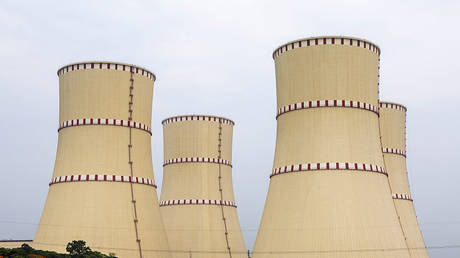
The nuclear reactor towers rising beside the Padma River stand as monuments to engineering ambition. Whether their financial foundations can withstand the storm of global sanctions depends entirely on whether an innovative currency workaround can survive the cold reality of international banking compliance.