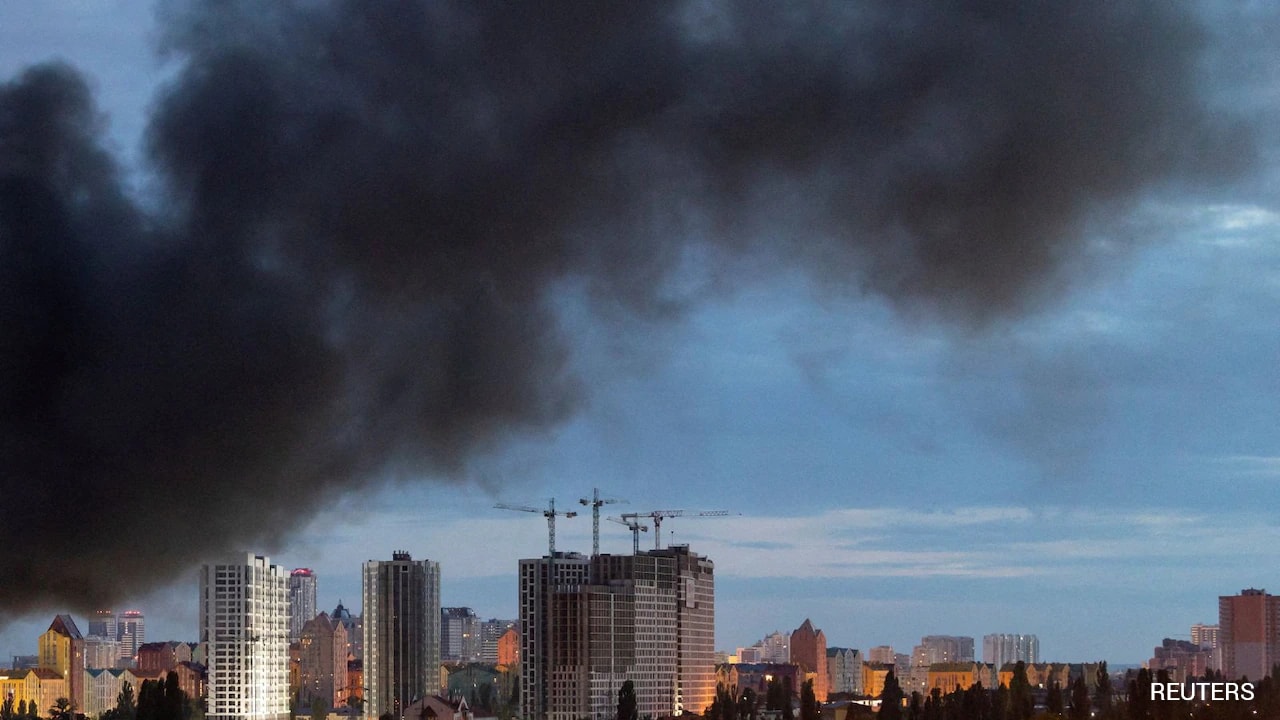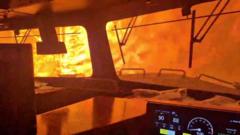
The dramatic footage of a Canadian freight train engulfed by a raging forest fire captured global attention, but the viral video masked a much deeper systemic crisis. On the surface, the clip of a locomotive punching through walls of embers and thick smoke seemed like a cinematic testament to industrial resilience. In reality, it was a near-miss disaster that exposed severe structural vulnerabilities in North American rail safety, climate readiness, and corporate risk management.
When a multi-ton freight train carrying potentially hazardous cargo operates in the direct path of an active wildfire, it is not a triumph of engineering. It is a failure of communication, planning, and regulatory oversight. If you enjoyed this post, you should look at: this related article.
For decades, the railway industry has operated on the assumption that steel tracks and heavy diesel locomotives are relatively impervious to localized weather events. Climate change has shattered that assumption. As wildfires grow more intense, frequent, and unpredictable, the intersection of rail transport corridors and burning wilderness has become one of the most volatile choke points in the global supply chain.
The Illusion of Control on the Burning Line
To understand how a freight train ends up surrounded by a wall of fire, one must look at the disconnect between dispatch centers and real-time field conditions. Modern rail networks rely heavily on centralized traffic control systems. These systems are highly efficient at managing train spacing and track switching, but they are notoriously slow at integrating dynamic environmental data. For another angle on this development, check out the recent coverage from Reuters.
During a rapidly moving wildfire, a track that was cleared for passage thirty minutes prior can become a thermal death trap by the time the locomotive arrives.
- Thermal Track Buckling: Extreme heat from a nearby forest fire can raise rail temperatures far beyond their design limits. When steel rails get too hot, they expand, causing the track to warp or "buckle." A train hitting a buckled track at speed will derail, often with catastrophic consequences if hauling hazardous materials.
- Locomotive Air Intake: Diesel locomotives require massive amounts of oxygen to keep their engines running and cooled. Rolling directly through thick smoke and superheated air can starve the engines of oxygen, causing them to stall. A stalled train in the middle of a forest fire leaves the crew entirely defenseless.
- Sensor Failures: Wildfires regularly destroy the roadside signaling and communication infrastructure that dispatchers rely on to locate trains. Once these systems go dark, crews are effectively operating blind in zero-visibility conditions.
The viral footage from Canada was not an isolated incident of bad luck. It was the predictable outcome of an operational model that prioritizes keeping cargo moving over halting traffic in the face of escalating environmental threats.
Why the Current Warning Systems are Failing
The railway industry frequently points to its investment in weather monitoring and early-warning technologies as proof of its proactive stance. Yet, the gap between having data and acting on it remains perilously wide.
Most major rail operators utilize third-party weather services to track storms and fires. However, the data pipeline from a satellite spotting a hotspot to a dispatcher ordering a train to halt is plagued by bureaucracy and lag.
Local forestry and firefighting agencies operate on different communication channels than private rail companies. When a fire crosses a rail line, the notification must pass through multiple bureaucratic layers before it reaches the desk of the person who actually has the authority to stop a train. By the time the order is handed down, the locomotive may already be rounding a bend into a wall of flame.
Furthermore, stopping a mile-long freight train is not like parking a car. It requires miles of clearance and significant lead time. If a dispatcher hesitates for even five minutes while trying to verify a fire report, they may commit a crew to a path of no return.
The Economic Pressure to Keep Rolling
At the heart of this crisis lies a brutal economic reality. Rail lines are the arteries of the North American economy, moving billions of dollars worth of grain, coal, chemicals, and consumer goods every day.
+-----------------------------------------------------------------+
|               The Cost of Stopping a Freight Train              |
+-----------------------------------------------------------------+
| Direct Delay Costs       | $10,000 to $50,000 per hour         |
| Network Ripple Effects   | Backlogs lasting up to 14 days      |
| Contractual Penalties    | Substantial fees for late delivery  |
| Supply Chain Disruption  | Manufacturing halts, empty shelves  |
+-----------------------------------------------------------------+
Because the financial penalties for delays are so severe, there is an inherent bias toward keeping trains moving unless a hazard is absolute and undeniable. This "run-until-forced-to-stop" mentality is baked into the corporate culture of precision scheduled railroading.
When safety margins are squeezed to maximize fluid movement across the network, the threshold for acceptable risk rises. Driving through a smoky area is framed as a calculated risk, a necessary part of keeping the supply chain moving. But as fire behavior becomes more volatile, calculations based on historical data are no longer reliable.
The Dangerous Reality of Hazardous Cargo
The danger of running trains through fire zones extends far beyond the immediate safety of the two-person crew in the cab. It poses a monumental threat to the communities and ecosystems along the right-of-way.
A significant percentage of freight tonnage consists of hazardous materials, including crude oil, pressurized gases, and industrial chemicals.
Consider the mechanics of a tank car exposed to extreme external heat. Pressurized tank cars are designed with thermal protection, but they are not built to withstand prolonged exposure to direct forest fire temperatures. If a train stalls or derails due to fire-damaged tracks, the heat can cause the liquid inside the tank cars to boil rapidly. This leads to a catastrophic phenomenon known as a Boiling Liquid Expanding Vapor Explosion (BLEVE).
A single BLEVE in a remote forested area can instantly escalate a manageable wildfire into an uncontrollable, explosive inferno, scattering shrapnel and chemical agents for miles. The environmental and cleanup costs of such an event would dwarf any losses incurred by proactively halting rail traffic.
The Missing Regulatory Teeth
Regulatory bodies have been slow to adapt to this shifting risk landscape. While agencies like Transport Canada and the Federal Railroad Administration in the United States have strict rules regarding track inspection and speed limits during extreme heat, they largely leave the decision of whether to run trains through active fire zones to the operators themselves.
This self-regulation model is fundamentally flawed. A private company, answerable to shareholders demanding quarterly returns, should not be the sole arbiter of public safety when assessing the threat of a wildfire.
- Mandatory No-Go Zones: Regulators must establish clear, enforceable geographic boundaries around active wildfires where rail traffic is legally prohibited, regardless of the operator's scheduling demands.
- Independent Real-Time Monitoring: Rather than relying on corporate reporting, regulatory agencies need independent access to train location data superimposed on live wildfire perimeter maps.
- Strict Liability: Companies must face severe, non-insurable financial penalties if they send a crew into an active fire zone without explicit, documented clearance from incident command authorities.
Without federal mandates that strip away the financial incentive to take risks, operators will continue to push the envelope, relying on luck and the skill of their crews to navigate increasingly dangerous territory.
Rebuilding the Infrastructure for a Hotter World
Fixing this crisis requires more than just updated rulebooks. It demands a fundamental physical overhaul of how rail corridors are managed in fire-prone regions.
The traditional practice of clearing brush a few feet from the tracks is no longer sufficient. Operators must invest in wide, actively maintained firebreaks along high-risk routes. This means removing flammable vegetation dozens of yards back from the ballast on both sides of the line.
Additionally, critical signaling and communication lines must be buried underground or upgraded to fire-resistant standards. If a fire sweeps over a track, the signaling system must remain functional to ensure dispatchers don't lose visibility of the network.
Finally, we must equip locomotives with better environmental monitoring tools. Modern trains are packed with sensors tracking engine performance, fuel efficiency, and track geometry, yet they lack basic forward-looking thermal imaging cameras and air-quality sensors that could warn a crew of an approaching fire before they can see it through the smoke.
The viral video of a train cutting through flames was treated by the public as an extraordinary, one-off spectacle. For those who understand the industry, it was a terrifying glimpse into a system operating on borrowed time. The next time a train is sent into a wildfire, the outcome may not be a dramatic video, but a national tragedy.