When public health agencies lock an individual away under prolonged viral containment protocols, the line between medical necessity and state-sanctioned imprisonment dissolves rapidly. Extended quarantines for rare zoonotic pathogens like hantavirus often stretch far beyond standard biological incubation windows, leaving individuals isolated in administrative limbos. Hantavirus Pulmonary Syndrome carries a mortality rate near 38 percent, making aggressive outbreak control understandable from a policy perspective. Yet when mandatory isolation extends to six weeks or more, the medical justification frequently yields to bureaucratic risk aversion, legally defensible paranoia, and systemic breakdowns in diagnostic testing schedules.
Understanding how a human being ends up trapped in a 42-day quarantine requires looking past the glossy press releases of epidemiological safety. It requires examining the cold mechanics of disease containment laws, the frailties of modern viral diagnostics, and the psychological destruction inflicted on healthy people held under suspicion of carrying deadly pathogens.
The Biological Reality of Hantavirus Transmissions
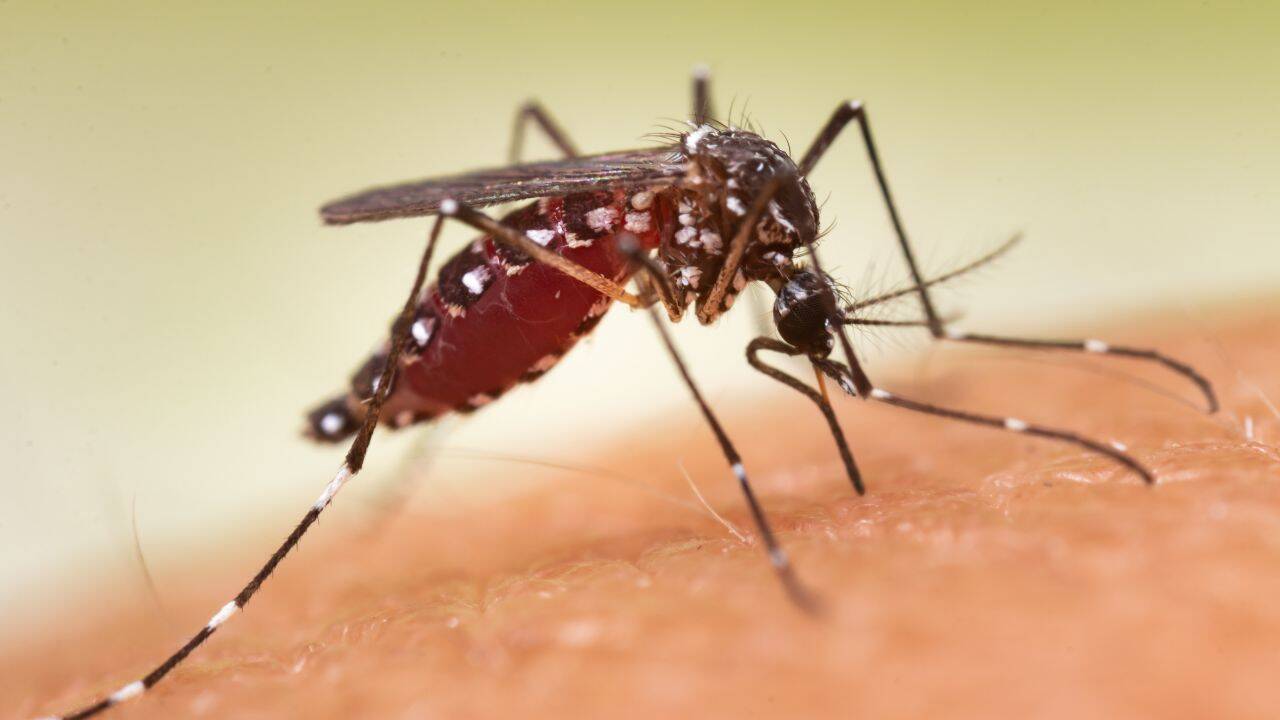
Hantaviruses do not spread like the common flu. In the Americas, transmission occurs primarily through aerosolized particles of urine, droppings, or saliva from infected rodents, specifically the deer mouse (Peromyscus maniculatus). When a person sweeps out a disused cabin, shed, or basement, microscopic viral particles float into the air and lodge deep within the pulmonary alveoli.
Once inhaled, the virus targets the endothelial cells lining the small blood vessels in the lungs. What follows is a quiet, terrifying incubation phase.
The Incubation Window vs Federal Guidelines
Medical literature consistently establishes the incubation period for Hantavirus Pulmonary Syndrome between one and eight weeks, with most cases presenting symptoms within two to three weeks post-exposure. Early symptoms mimic standard seasonal viral infections.
- Persistent fever and severe muscle aches, particularly in the large muscle groups like thighs and back.
- Sudden onset of gastrointestinal distress, abdominal pain, and headache.
- Dry coughing that rapidly progresses to acute respiratory distress as capillaries leak fluid directly into the lungs.
Because person-to-person transmission of North American hantavirus strains like Sin Nombre has never been conclusively documented in clinical settings—unlike the Andes virus strain found in South America—holding an individual in forced isolation to prevent human-to-human contagion represents a profound epidemiological anomaly.
Public health statutes, however, often treat all high-consequence viral threats with broad, blunt-force instruments. When an individual tests positive for exposure or displays ambiguous early markers after entering a known vector zone, state health departments revert to extreme precautionary principles. The individual becomes a biological risk variable on a institutional dashboard, stripped of personal autonomy until every legal and medical contingency is satisfied.
How Bureaucratic Fear Extends Isolation Beyond Reason
The duration of a medical hold is rarely dictated by biology alone. It is determined by institutional legal liability.
If a public health officer releases an individual on day 21 and that individual subsequently develops severe respiratory failure or manages to harbor a mutated strain capable of secondary transmission, the institutional fallout is catastrophic. Conversely, if that same public health officer holds an innocent individual for 42 days in total isolation, the legal system almost universally shields the officer under the doctrine of sovereign immunity and public health necessity.
The legal machinery behind involuntary quarantine rests on emergency health powers drafted decades ago. Under these frameworks, state health commissioners possess sweeping authority to restrict movement, commandeer facility quarters, and mandate testing without standard judicial due process.
"Public health orders operate on a standard of preventive necessity rather than criminal guilt," explains public health legal expert Sandra Vance. "Court challenges to quarantine orders rarely succeed while the order is active because judges historically defer to state health agencies during perceived biological emergencies. By the time a habeas corpus petition is heard, the quarantine has usually expired, rendering the legal challenge moot."
This structural reality creates an environment where health authorities face zero institutional penalty for over-confining citizens, but severe penalties for premature release. The systemic incentive structure guarantees prolonged detainment.
The Diagnostics Bottleneck and Laboratory Delays
The technical cause behind multi-week quarantines often comes down to basic supply chains and laboratory workflows. Diagnosing active hantavirus infection requires specific serological testing, primarily enzyme-linked immunosorbent assays (ELISA) designed to detect IgM and IgG antibodies, or reverse transcription-polymerase chain reaction (RT-PCR) testing to detect viral RNA.
Few regional or hospital laboratories maintain the specialized reagents or biosafety level containment required to run high-throughput hantavirus assays locally.
Samples must be packaged under strict hazardous material shipping protocols and routed to state public health laboratories or federal reference facilities.
- Initial Collection and Transport: A specimen is drawn at a local rural clinic or regional hospital. Shipping logistics alone can consume three to five days depending on courier schedules and transport regulations.
- Batch Processing: Reference laboratories do not run individual assays immediately upon receipt. To minimize cost and material waste, facilities wait until they accumulate a full batch of samples, adding anywhere from four days to two weeks to the turnaround time.
- Ambiguous Results: Early-stage infections frequently yield equivocal antibody titles. An inconclusive test does not clear a patient; it resets the diagnostic clock. The protocols mandate a secondary blood draw two weeks later to monitor for seroconversion.
If a patient shows borderline antibody activity on day 14, the secondary test requires another two-week waiting period, followed by another week of transport and laboratory batch processing. Through simple logistical friction, a standard two-week observation period effortlessly swells into a 42-day ordeal.
The Hidden Psychological Destruction of Extended Isolation
Solitary confinement in correctional facilities is widely recognized as a form of severe psychological trauma. Involuntary medical isolation operates under a different legal banner, but its impact on human neurology is identical.
The human brain relies on regular sensory input, environmental variety, and interpersonal contact to maintain cognitive stability. When an individual is placed in a sterile, negative-pressure isolation room or confined to a remote quarantine structure without clear timelines for release, the physiological stress response triggers sustained high levels of cortisol and adrenaline.
+-----------------------------------------------------------------------+
|                       THE ISOLATION CASCADE                           |
+-----------------------------------------------------------------------+
|                                                                       |
|   1. ACUTE UNCERTAINTY                                                |
|      Lack of firm release dates triggers permanent hyper-vigilance.    |
|                                                                       |
|   2. SENSORY DEPRIVATION                                              |
|      Sterile, unchanging environments reduce cognitive plasticity.    |
|                                                                       |
|   3. AUTONOMY DESTRUCTION                                             |
|      Complete reliance on institutional staff for basic needs.        |
|                                                                       |
|   4. CHRONIC NEUROLOGICAL STRESS                                      |
|      Sustained elevation of cortisol levels leading to depression,     |
|      profound sleep disruption, and post-traumatic stress symptoms.   |
|                                                                       |
+-----------------------------------------------------------------------+
Deprived of normal human touch and direct social interaction, quarantined individuals rapidly experience acute disorientation, sleep deprivation, and severe depressive episodes.
Unlike prisoners who generally know their release dates or parole eligibility schedules, quarantined individuals live in acute temporal uncertainty. Public health officers often inform them that release depends on "the next set of lab results"—results that are perpetually delayed by regional laboratory backlogs. This indeterminate detention shatters psychological resilience.
Rebuilding Public Health Infrastructure Without Systemic Abuse
Containing dangerous pathogens is an absolute responsibility of government. Allowing that responsibility to degrade into arbitrary detentions, however, undermines public trust in the entire public health architecture. When citizens realize that seeking medical treatment or reporting exposure might land them in an indefinite state-mandated hold, they stop reporting exposures. They hide symptoms. They avoid clinics.
Fixing this systemic failure requires immediate, concrete structural reforms rather than abstract policy debate.
Rapid-Response Reference Diagnostic Networks
State health departments must fund decentralized diagnostic platforms capable of running RT-PCR testing for high-consequence viral pathogens locally within 24 hours. The multi-week wait for batch processing at central federal facilities is an unacceptable administrative bottleneck that directly violates individual civil liberties.
Mandatory Independent Judicial Oversight
Any public health quarantine exceeding 14 days must trigger an automatic judicial review presided over by an independent magistrate. The state should be required to present clear and convincing clinical evidence that the individual actively poses a secondary transmission risk. The burden of proof must remain on the institution seeking confinement, not the citizen demanding freedom.
Standardized Federal Indemnification and Support
Individuals placed under mandatory public health holds face devastating financial fallout, including job loss, unpaid mortgages, and mounting personal debts. Federal protocols must mandate full wage replacement, employment protection, and independent mental health support for anyone subjected to involuntary isolation orders.
Until containment protocols incorporate real-time testing capabilities and rigorous legal oversight, extended quarantines will continue to function as institutional traps. Balancing collective biological safety against individual human rights remains a delicate challenge, but sacrificing basic civil liberties on the altar of administrative convenience guarantees that the next public health crisis will be met with widespread resistance and fear.