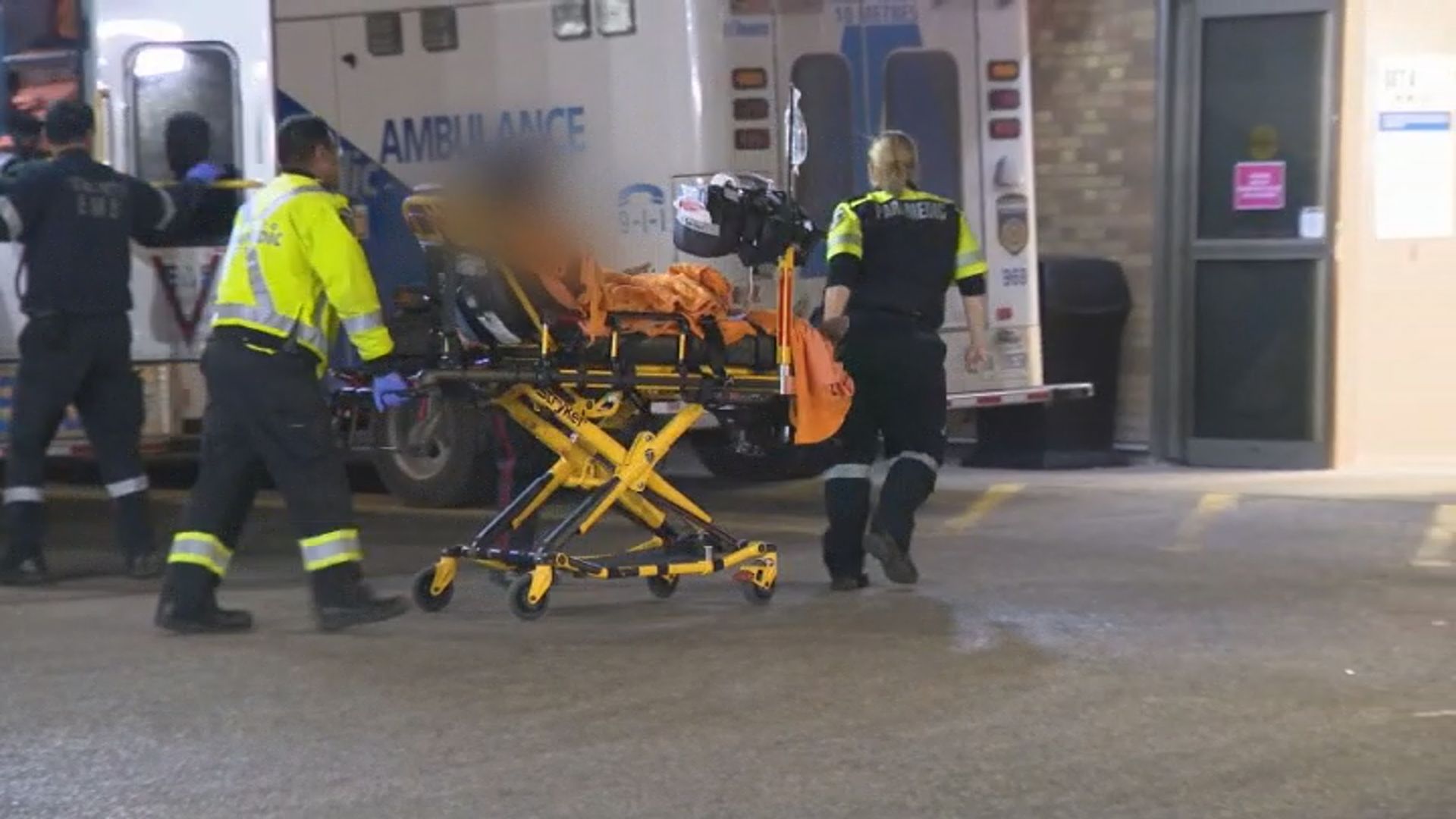
The emergency medical services system is collapsing from the inside out because paramedics are tired of being punched, spat on, and threatened with knives while local governments look the other way. For decades, the high turnover in emergency medical services (EMS) was blamed on low pay and grueling 24-hour shifts. While those economic realities still exist, a more toxic variable now drives the current staffing emergency. Paramedics are leaving the profession in unprecedented numbers because the modern ambulance has become a target for routine, unpunished violence.
This isn't about the occasional erratic patient suffering from a medical emergency. This is about a systemic failure to protect frontline healthcare workers from predictable assault. When emergency responders spend their shifts navigating physical hostility, their mental health deteriorates, leading directly to a mass exodus of experienced personnel and a measurable decline in patient care quality. Building on this topic, you can also read: Why Fighting Every Single Wildfire Is Destroying European Forests.
The Myth of the Accidental Assault
For generations, the EMS industry operated under an unwritten rule. Getting hurt was considered part of the job. If a patient waking up from a seizure accidentally struck an emt, it was brushed off as a clinical reflex.
That narrative is dangerously outdated. Modern data collected by emergency worker advocacy groups paints a far darker picture. The vast majority of physical aggregations today are intentional, malicious, and entirely unrelated to a patient’s underlying medical condition. Paramedics routinely face verbal abuse that escalates into physical altercations before law enforcement arrives on the scene. Analysts at National Institutes of Health have shared their thoughts on this matter.
Consider the mechanics of a standard response. An ambulance crew of two enters a confined, unpredictable environment—a cramped apartment, a dark alleyway, or the back of a moving vehicle moving at fifty miles per hour. They are equipped with stethoscopes and trauma shears, not defensive gear. When a scene turns volatile, these clinicians are trapped.
The physical toll of this environment is obvious, but the psychological erosion is what destroys retention. Chronic exposure to hostility triggers a state of hypervigilance. Paramedics no longer focus solely on clinical diagnostics when they approach a patient. Instead, they are forced to scan for hidden weapons, evaluate exit routes, and gauge body language for signs of imminent aggression. This constant state of fight-or-flight rapidly drains cognitive reserves, leading to profound burnout long before a physical injury ever occurs.
Why the Legal System Fails the Frontline
If you assault a police officer, you face severe felony charges in almost every jurisdiction. If you assault a paramedic, the legal response is frequently a misdemeanor citation, if any action is taken at all. This disparity creates a culture of impunity.
"We are told to de-escalate situations that are fundamentally non-negotiable," says one veteran urban paramedic, speaking on the condition of anonymity. "The district attorney routinely drops charges against people who attack us, citing 'altered mental states,' even when the suspect was coherent enough to deliberately target my partner's face."
This legal black hole exists because the justice system largely views EMS as a secondary support service rather than an essential arm of public safety. When prosecutors decline to pursue charges, it sends a clear message to the workforce. Your safety is expendable.
The Financial Shell Game of Ambulance Economics
To understand why service administrators are slow to implement real protections, you have to look at how ambulances make money. Most EMS systems operate on a fee-for-service model. They only generate revenue when they transport a patient to a hospital bed.
- The Transport Dilemma: If a crew spends two hours at a hospital or police station filing a report after an assault, that ambulance is out of service.
- The Revenue Loss: Out-of-service vehicles cannot respond to new calls, directly lowering the agency's billing potential.
- The Bureaucratic Inertia: Management often discourages formal reporting because high numbers of recorded workplace violence incidents drive up workers' compensation insurance premiums.
This economic reality forces a grim calculus. It is often cheaper for an ambulance provider to replace a burned-out, twenty-two-year-old rookie paramedic every eighteen months than it is to aggressively pursue legal protection, install expensive cabin barriers, or mandate body-worn cameras.
The Invisible Cost to Public Health
When experienced paramedics walk away from the profession, they take decades of clinical intuition with them. The replacement pool is shrinking, and those who do enter the field are younger, less experienced, and thrown into high-stress environments with minimal mentorship.
This experience gap directly impacts patient outcomes. A seasoned paramedic can identify a atypical presentation of a myocardial infarction within seconds of entering a room. A stressed, hypervigilant novice who is constantly looking over their shoulder for a physical threat is far more likely to miss subtle diagnostic cues.
The crisis manifests in ballooning response times. When a city cannot retain staff, ambulances are sidelined. A cardiac arrest call that used to see a response team arrive in four minutes now takes twelve minutes because the nearest available crew has to drive from three districts away. The public assumes the delay is due to traffic. The reality is that there was simply nobody left to drive the truck.
Defending the Cab
Fixing this systemic failure requires moving past empty platitudes about mental health awareness days and mandatory online resilience training. Paramedics do not need to learn how to breathe through panic attacks; they need physical security and institutional backing.
First, the legal framework must change. Assaulting an on-duty emergency medical provider must carry the same mandatory minimum sentences as assaulting law enforcement. This removes prosecutor discretion and establishes a clear societal boundary.
Second, the design of the emergency vehicle itself must evolve. The interior of an ambulance has remained largely unchanged for forty years. Modern units require integrated physical barriers that separate the driver compartment from the patient care area, alongside standardized panic buttons that instantly alert police dispatch without requiring the crew to use a radio.
Finally, dispatch triage protocols must become more conservative. If a caller exhibits any history or indicators of volatility, law enforcement must be staged on-site before medical personnel cross the threshold. Paramedics are clinicians, not riot police. Expecting them to secure a scene before treating a patient is a structural failure that ends in tragedy.