Two dead college students, federal indictments, and a transparent regulatory vacuum have thrust an unregulated herbal grey market into the national spotlight. When two University of Mississippi students were found dead, initial panic pointed vaguely toward campus rumors and mysterious botanical powders. Months later, federal court documents and laboratory tests peeled back the layers of a far more sinister reality. This was not merely a tragic accident involving a common herbal tea leaf purchased at a local smoke shop. It was a calculated commercial pipeline pushing laboratory-altered, synthetic analogs under the guise of harmless wellness supplements.
For years, the public conversation surrounding kratom—derived from Mitragyna speciosa, a tree native to Southeast Asia—has been bogged down in a lazy binary. Proponents frame it as a benign holistic coffee-leaf alternative used for energy and social lubrication. Opponents paint it as an insidious, unregulated opioid menace. Both narratives miss the shifting ground beneath their feet. The market has evolved past natural leaf powders. Unscrupulous manufacturers and local distributors are now engineering high-potency chemical isolates and synthetic derivatives, turning neighborhood vape shops into high-stakes experimental laboratories. Meanwhile, you can explore other stories here: The Map of an Eleventh Year.
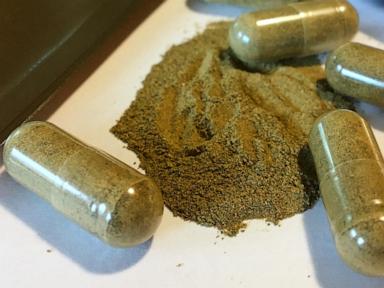
Federal prosecutors zeroed in on an Oxford, Mississippi smoke shop after tracing transactions made by the deceased students, Aidan Hamilton and Robert Strang. Law enforcement raids uncovered packaged items like "Smax Mango Breeze MGM-15" and "Smax Pseudo-DHM". Subsequent lab testing confirmed what public health analysts had feared. These products were not basic organic leaf material. They contained concentrated, synthetic, or heavily altered compounds—specifically mitragynine-derived substances such as MGM-15 and mitragynine pseudoindoxyl (MGPI)—which federal agencies categorize under Schedule I scrutiny.
The store clerk allegedly sold these items out of hidden, locked containers, openly warning a confidential informant that people were dying from similar formulations while still completing the transaction. This reveals the structural rot inside the modern unregulated supplement trade. When profit margins scale with potency, safety rails disappear entirely. Retailers operating in legal grey areas understand precisely what they are selling. They substitute customer safety with coded warnings and clandestine handoffs. To explore the full picture, we recommend the excellent analysis by Everyday Health.
The broader American regulatory framework is entirely unequipped for this reality. While the federal government maintains that natural kratom is legal, eleven states and various municipalities—including the city of Oxford—have enacted local bans. Yet, patchwork prohibition rarely stops determined buyers or predatory sellers. It simply drives the market underground or pushes innovators to synthesize novel chemical variants that technically outpace existing statutory definitions. When authorities crack down on standard 7-hydroxymitragynine (7-OH) thresholds, illicit chemists synthesize analogs that bypass the current wording of the law while delivering identical or elevated neurological risks.
The tragedy in Mississippi serves as a brutal masterclass in the failure of modern consumer protection. College students operating within local digital and physical subcultures view smoke shops as casual neighborhood conveniences, no different than a corner grocery store. They trust that items sitting on brightly lit shelves have undergone baseline safety evaluations. That institutional trust is a fatal illusion. Without rigorous pre-market authorization, strict manufacturing standards, and genuine enforcement against synthetic adulteration, the American supplement market functions as an open-air clinical trial with consumers serving as unwitting test subjects.
The fallout from Oxford will likely trigger legislative panic, knee-jerk bans, and polarized talking points from both industry lobbyists and prohibitionists. But reactionary politics will do nothing to solve the underlying systemic rot. As long as chemical modification outpaces bureaucratic oversight, and as long as retail margins reward the distribution of unverified psychoactive compounds, the next campus tragedy is not an anomaly. It is an inevitable business model.
Ole Miss death investigations: What we know about kratom reports
This video provides an overview of the initial investigations surrounding the student deaths in Oxford and the local law enforcement response to kratom products.