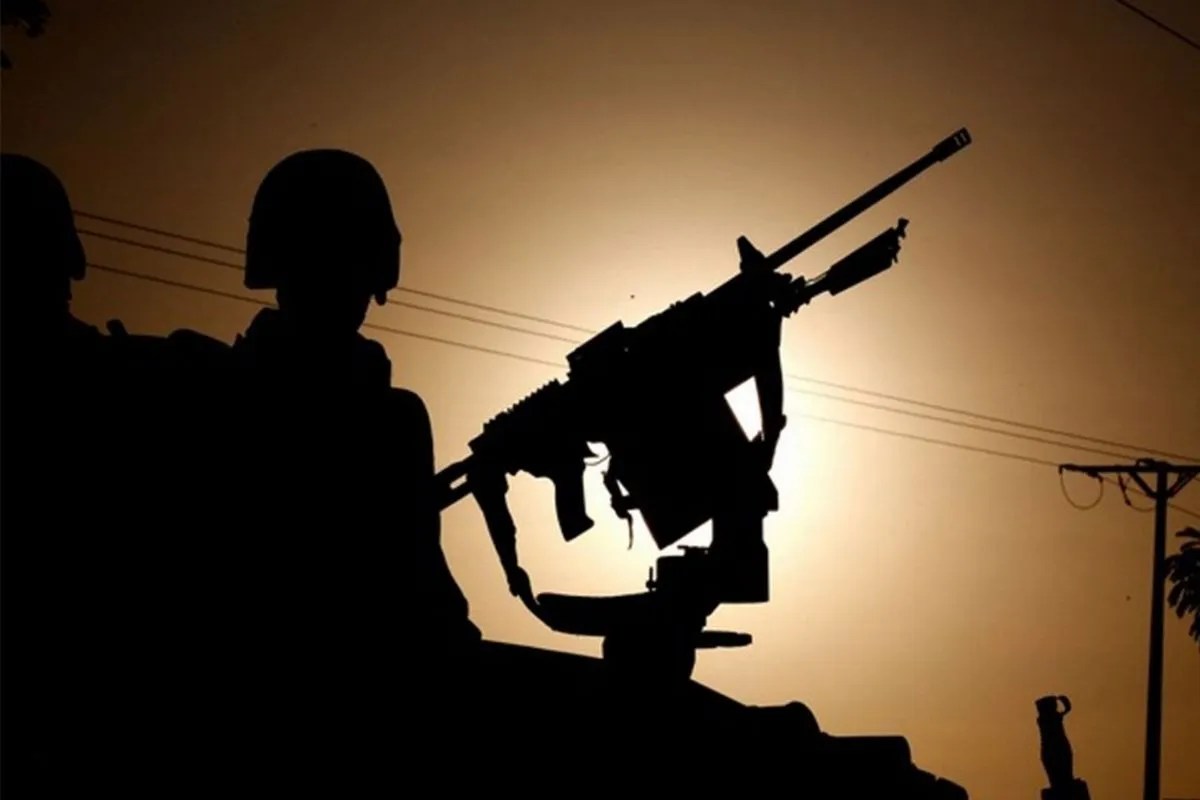
In late October 2026, the Balochistan Liberation Front claimed that its ongoing campaign, dubbed Operation Almas, killed a Military Intelligence captain and multiple Special Service Group commandos alongside dozens of other security personnel across Gwadar and surrounding districts. Pakistani security accounts pushed back against claims of seizing military or intelligence facilities, while independent verification on the ground remained sharply constrained.
War in Balochistan rarely happens where journalists can stand with a notepad and a rangefinder. Information moves through press releases, contested social media clips, local rumors, and official denials filtered through tight security controls. When a militant group names an offensive after a slain female commander and announces strikes against elite counterterrorism units, the headline spreads within hours. The harder work is separating verified battlefield reality from psychological warfare.
Why Claims About MI and SSG Casualties Carry Heavy Weight
Claims involving Military Intelligence and Special Service Group operatives are never accidental in insurgent communications. Regular infantry ambushes are routine in a low-intensity insurgency; naming intelligence officers and special forces commandos signals a targeted strike against the state's eyes, ears, and rapid-response muscle.
For the Balochistan Liberation Front, highlighting losses among intelligence and commando units serves two immediate goals. First, it projects reach and tactical precision inside heavily policed coastal and strategic corridors like Gwadar. Second, it challenges the narrative that state security forces hold uncontested dominance over high-value nodes tied to provincial administration and major infrastructure.
Yet high-value claims are also the easiest to inflate or misidentify during chaotic engagements. In fast-moving clashes, insurgents and local witnesses frequently conflate Frontier Corps troops, police personnel, plainclothes operatives, or private security guards with elite commandos or intelligence officers. Without independent forensic confirmation, official casualty lists, or verifiable visual proof, a claim of killing an MI captain and SSG personnel remains an assertion rather than an established fact.
The Fog Around Gwadar and Operation Almas
Gwadar sits at the center of Pakistan's strategic and economic calculus in the province. Any coordinated offensive reported near the port city immediately draws regional and international scrutiny because of its proximity to maritime trade routes and Chinese-backed connectivity projects.
Accounts surrounding Operation Almas illustrate how sharply narratives diverge the moment shots are fired. Statements attributed to BLF spokesperson Major Gwahram Baloch described multi-site attacks on security installations, destroyed vehicles, downed surveillance drones, and heavy casualties. Counter-accounts from Pakistani sources disputed claims of taking over military or intelligence sites and maintained that a targeted site was a vacated construction camp rather than an active command post.
Both sides have clear incentives to shape perception:
- Insurgent groups rely on asymmetric messaging to amplify small-unit raids into strategic shocks, recruit sympathizers, and project momentum across rival factions.
- State security establishments routinely minimize losses, contest territorial or facility claims, and frame clashes as thwarted raids or minor incidents to preserve morale and investor confidence.
- Outside observers often rush to amplify whichever side aligns with existing geopolitical priors, treating unverified claims as settled combat logs.
That dynamic turns every clash in southern Balochistan into an information contest running parallel to the physical fight. A raid on a checkpoint, a road ambush, or a standoff near a compound can look like a sweeping offensive on paper while remaining brief and localized on the ground.
How Baloch Insurgent Tactics Have Shifted
To understand why claims like Operation Almas gain traction, look at how militant tactics in Balochistan have evolved over recent years. Insurgent formations have increasingly leaned into coordinated operations, intelligence gathering, and symbolic naming that ties tactical raids to broader political grievances.
Rather than relying solely on isolated roadside bombs or hit-and-run harassment, factions have periodically sought higher-visibility targets—convoys, security camps, transit links, and economic assets—while coordinating across networks. Naming Operation Almas after a female commander also reflects a deliberate effort to spotlight women's participation in the militant movement, building on a broader shift in how nationalist groups mobilize symbolism and internal cohesion.
At the same time, tactical ambition does not automatically translate into sustained territorial control. Holding installations or defeating dedicated counterterrorism units requires logistics, ammunition depth, communications security, and freedom of movement that irregular fighters rarely sustain under heavy reinforcement. When a group says an operation is still ongoing and promises a fuller tally later, analysts treat interim numbers with caution.
What Most Coverage Misses About the Conflict
Quick wire summaries tend to treat Balochistan solely as a scoreline between militants and soldiers. That framing misses the deeper political and social friction keeping the cycle alive.
Long-standing grievances over political representation, economic marginalization, resource distribution, and heavy-handed security practices have alienated large segments of the population. Human rights organizations have repeatedly documented enforced disappearances, arbitrary detentions, and abuses by security agencies alongside militant violence against state personnel and perceived collaborators. When civilians feel squeezed from both sides—by coercive state sweeps on one hand and militant intimidation or coercion on the other—trust erodes even further.
There is also an overlooked operational reality. Heavy militarization often suppresses open protest in the short term while feeding underground resentment over the long term. Security checkpoints and sweeps can disrupt militant cells, yet sweeps that sweep up innocent students, laborers, or local residents frequently hand insurgents new recruits and deeper local cover.
Reading the Next Wave of Claims Without Getting Played
When the next dispatch arrives out of Kech, Turbat, Panjgur, or Gwadar claiming heavy losses among Military Intelligence or SSG ranks, apply a simple filter before treating it as gospel. Look first for corroboration beyond a single press release—independent local reporting, consistent hospital or transit reports, or credible visual evidence with verifiable locations and timestamps.
Watch second for the gap between tactical disruption and strategic change. A deadly ambush or a brazen strike near a sensitive installation can rattle security planners and embarrass officials without shifting control of the province. Real shifts show up in sustained governance, durable reductions in civilian abuses, and whether violence expands or contracts over months rather than days.
In a conflict built on secrecy and competing propaganda, disciplined skepticism is the sharpest tool a reader has.