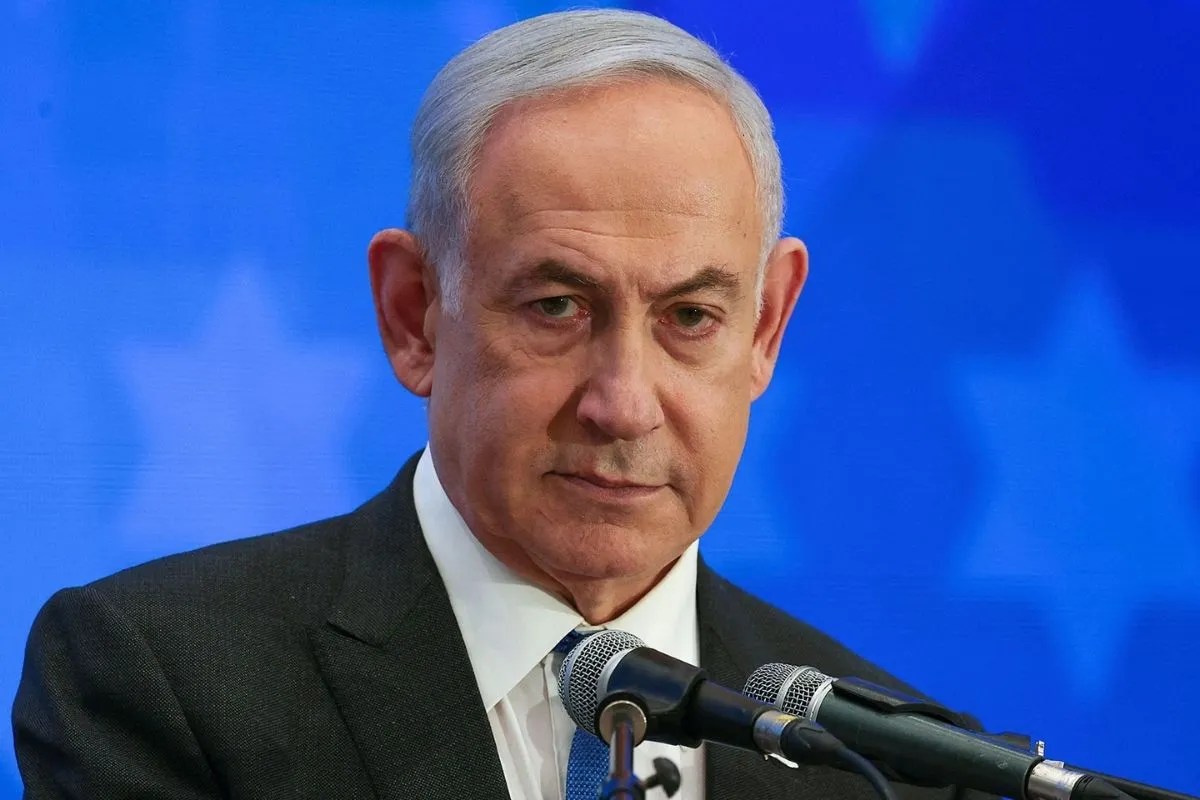
When an Israeli prime minister says an American president wants him to "finish the job" against Iran, the phrasing is rarely accidental. In high-stakes diplomacy, a single idiom carries diplomatic cover, domestic signaling, and strategic ambiguity all at once.
The premise behind Benjamin Netanyahu's claim is straightforward on its face. He is presenting a picture of tight alignment with Donald Trump, suggesting Washington favors or at least welcomes decisive Israeli action to roll back Iranian power and nuclear ambitions. Yet treating that claim at face value misses how leaders on both sides of the Atlantic use each other's rhetoric to shape leverage without locking themselves into identical timelines or war aims.
After decades covering Middle East security policy and the mechanics of the U.S.-Israel relationship, one rule stands out above all others. Public declarations of total alignment almost always hide quiet disagreements over escalation thresholds, cost-sharing, and exit ramps.
What Finishing the Job Actually Means in Practice
"Finishing the job" sounds clear in a television clip. In war planning and statecraft, it is anything but.
Iran's regional footprint and nuclear program are not a single target sitting on a hill. They are spread across hardened underground facilities, missile production networks, air defense batteries, and allied armed groups stretching from Lebanon and Iraq to Yemen. Even severe military strikes degrade capabilities rather than erasing institutional memory or technical know-how overnight.
A hypothetical example makes the operational gap easier to see. Imagine a coalition destroys eighty percent of a country's centrifuge halls and regional launch sites over three weeks. That would be a massive blow, yet surviving engineers, dispersed components, and political survival instincts could still leave a long, grinding aftermath that airstrikes alone cannot resolve.
Different actors define the end state differently. For some hawks in Jerusalem and Washington, finishing the job means permanently removing Iran's threshold nuclear capability and crippling its regional proxy network. For more cautious strategists, it means forcing Tehran back to a painful negotiating table under overwhelming pressure without triggering a wider regional conflagration that spikes global oil prices or drags American troops into a prolonged ground campaign.
When leaders talk about finishing a job in the Middle East, the disagreement is rarely over whether the adversary is dangerous. The real fight is over who pays the bill when the dust settles.
That ambiguity is useful for Netanyahu. By framing his approach as a shared mission with Trump, he projects backing from the world's strongest military power while leaving room to interpret what "the job" requires in any given month.
Why Netanyahu Reaches for Washington Alignment
Domestic politics and external security rarely run on separate tracks in Israeli leadership. When pressure mounts at home—whether over coalition stability, wartime strain, or long-running legal and political battles—demonstrating close ties with a sympathetic White House carries immediate weight.
Netanyahu has long understood the power of transactional optics. Even when American officials urge restraint or push back on specific moves, public association with a forceful U.S. president reassures supporters that Israel is not acting in isolation. It also sends a warning to adversaries in Tehran and Beirut that miscalculating Israel's backing could bring heavier consequences.
There is a catch, though. Leaning too heavily on a leader's perceived wishes can backfire if expectations diverge.
Presidents change priorities. A statement made during a rally, an interview, or a diplomatic meeting does not automatically translate into munitions deliveries, air-defense replenishment, or diplomatic cover at the United Nations when crises spike. Any Israeli leader who mistakes warm rhetoric for a blank check risks getting out over his skis.
How Trump Uses Strategic Ambiguity as Leverage
From Washington's side, encouraging an ally's tough posture while keeping exact commitments undefined is a classic negotiating tactic. Ambiguity keeps adversaries guessing. It forces Tehran to weigh the risk that an Israeli strike might draw a larger American response, even if no formal green light has been given.
At the same time, ambiguity protects the American president's freedom of action. If a military campaign goes smoothly, Trump can claim credit for strength and deterrence. If a strike spirals into wider retaliation against U.S. bases, shipping lanes, or regional partners, Washington still retains room to calibrate its response rather than being dragged in automatically.
Maximum pressure works best when both sides believe the other might go further than expected. Yet that same dynamic creates friction behind closed doors. A partner pushing for decisive action may hear encouragement where the president hears leverage. Over time, misreading tone for commitment becomes a serious hazard.
The Friction Beneath Shared Rhetoric
Public solidarity often masks practical trade-offs that surface the moment real decisions arrive. Consider the core questions every defense planner asks before a major escalation:
- Munitions and Replenishment: High-intensity air and missile exchanges burn through precision interceptors and strike ordnance faster than peacetime production lines replace them.
- Regional Retaliation: Strikes on Iranian soil or senior figures can trigger waves of drones and missiles against Israel, Gulf infrastructure, or American installations.
- Economic Shockwaves: Any sustained threat to shipping through the Strait of Hormuz reverberates through global energy markets and domestic inflation numbers.
- Diplomatic Isolation: Broad military campaigns can strain ties with regional neighbors whose airspace, intelligence, or quiet cooperation matters during a crisis.
None of these factors erase shared concerns about Iran. They simply explain why two leaders can agree on the need to confront Tehran while disagreeing sharply on timing, scope, and risk tolerance.
The Overlooked Variables That Shape Any Outcome
Most surface-level coverage treats the U.S.-Israel-Iran triangle as a contest of wills between three men. That view is too narrow. Real outcomes hinge on structural constraints that no speech can wish away.
Geography is one of them. Distance, refueling requirements, overflight permissions, and air-defense saturation all shape what is militarily feasible on any given day. A strike package that looks simple on a briefing slide becomes far more complex once weather, electronic warfare, and layered defenses enter the picture.
Domestic endurance is another. Wars of attrition test societies, economies, and political coalitions over months and years, not just news cycles. Even when tactical strikes succeed, strategic fatigue can reshape what governments are willing to sustain.
Tehran's own calculus matters just as much. Iranian leaders have survived decades of sanctions, covert operations, and regional setbacks by adapting slowly and dispersing authority. Assuming pressure alone will produce a neat surrender has tripped up plenty of smart observers before.
Reading Between the Lines of High-Stakes Diplomacy
Claims about what a foreign leader "wants" you to do should always be treated as an opening bid, not a settled ledger. They tell you what message the speaker wants to project right now, who they are trying to reassure, and what pressure they hope to apply.
The real test is never found in a soundbite. It shows up in weapons transfers, intelligence sharing, diplomatic maneuvering, and how each side responds when the first retaliatory salvo lands.
Watch the logistics and the silences just as closely as the speeches, because that is where real commitments live.


