The physical survival of Volodymyr Zelenskyy has never been guaranteed, but a tarmac incident in Chisinau brought the vulnerability of wartime diplomacy into sharp, terrifying focus. A drone intercept near the Moldovan border temporarily paralyzed departure schedules as the Ukrainian leader attempted to fly toward Oslo for a royal funeral.
When Norwegian Prime Minister Jonas Gahr Store publicly claimed that the aircraft carrying Zelenskyy was almost struck by a stray or targeted device during takeoff, it triggered an immediate scramble in diplomatic corridors. Chisinau authorities scrambled to clarify airspace closures, while Ukrainian presidential insiders downplayed the severity to a standard regional air alert.
This friction reveals the fragile state of European skies. It also underscores the high-stakes theater playing out concurrently across Washington, Moscow, and Kyiv.
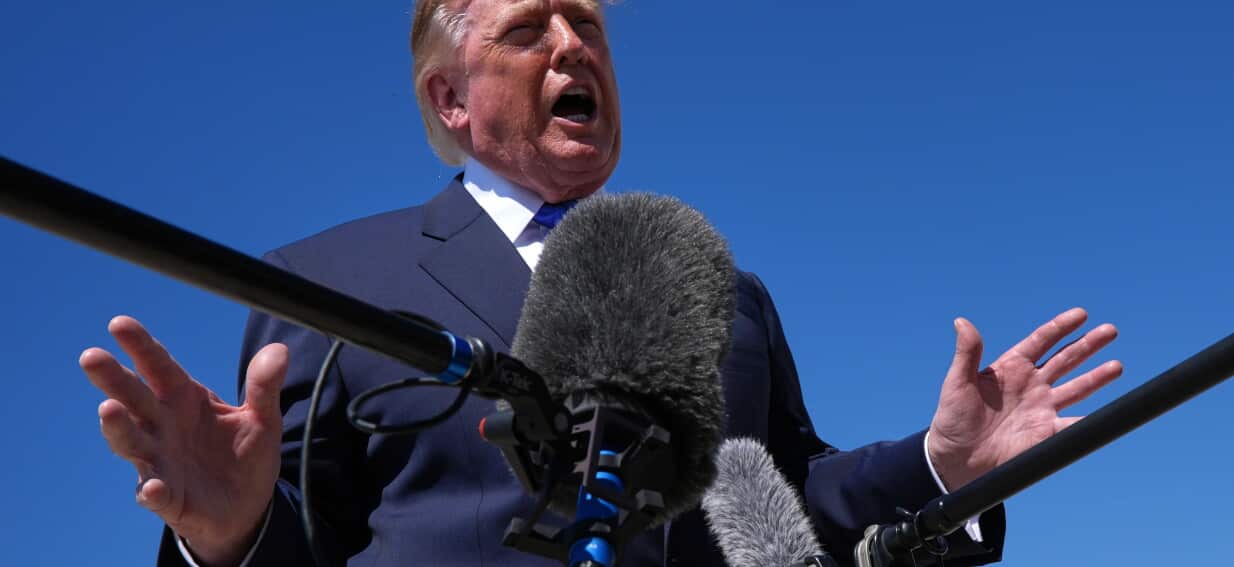
Donald Trump recently emerged from a telephone exchange with Vladimir Putin to declare that the Russian leader is eager to finalize a settlement to the protracted conflict. According to Kremlin readouts and White House briefings, special envoys Steve Witkoff and Jared Kushner have been shuttling between capitals with fresh proposals.
Yet, the chasm between diplomatic rhetoric and battlefield reality remains immense. While American envoys pitch compromise, the airspace over Eastern Europe grows increasingly hostile. Commercial air corridors loop wide detours around Moldova and Romania. Unmanned aerial systems regularly drift across international boundaries, turning routine executive transport into a high-altitude gamble.
Putin’s reported willingness to deal comes with heavy caveats. Historical precedent suggests that Moscow defines a settlement primarily through territorial capitulation and the permanent neutralization of Ukrainian security integration with the West. When Russian foreign policy aides brief that long-term stabilization requires resolving foundational territorial questions first, they are repeating demands that Kyiv views as an existential surrender.
Zelenskyy’s detour to Norway was not merely about paying respects at the funeral of King Harald V. It was a working mission focused heavily on securing localized air defense components, specifically tying into emerging European anti-ballistic frameworks like the FREYJA initiative. Ukraine understands that reliance on shifting U.S. political windows is a hazardous strategy.
The juxtaposition of peace declarations by Western leaders and the relentless hum of explosive-laden drones over neighboring sovereign states exposes the core delusion of current negotiations. A deal cannot be willed into existence through optimistic press conferences while frontline positions remain locked and aerial incursions treat international borders as suggestions.
As Witkoff and Kushner prepare their next diplomatic rotations, the margin for error narrows. Every near-miss on a regional runway serves as a stark reminder that time is running out for a negotiated exit.
The sirens in Chisinau fell silent hours after the takeoff clearance was eventually granted. The diplomatic machinery grinds forward, fueled by exhaustion and political pressure. But beneath the polished communiques from Washington and the cordial phone readouts from the Kremlin, the next unmanned system is already being programmed.