Treating an average-sized home for subterranean termites in Mississippi routinely demands between $1,200 and $1,750, according to data from the Mississippi State University Extension Service. Yet that hefty chemical baseline only scratches the surface of a much larger structural threat. Beneath the red clay and humid air of the Magnolia State, subterranean wood-destroying insects operate in massive, coordinated networks that turn wooden floor joists and wall studs into hollowed-out shells long before any homeowner notices a single flying bug indoors.
The annual economic toll of these pests goes far beyond a simple pest control invoice. While a standard chemical barrier or bait system requires a four-figure upfront investment, ignoring the early warning signs of an infestation routinely leads to structural repair bills that eclipse $10,000.
The Geography of an Underground Invasion
Termite activity in Mississippi does not operate on a single statewide calendar. Climate shifts create distinct ecological zones across the state. Along the Gulf Coast, eastern subterranean termite swarms can begin as early as late January or February. Further north, toward the Tennessee border, peak swarming activity stretches through May and into early June.
This staggered timeline catches many property owners off guard. A resident in Biloxi faces active pressures months before a homeowner in Tupelo needs to worry about winged alates.
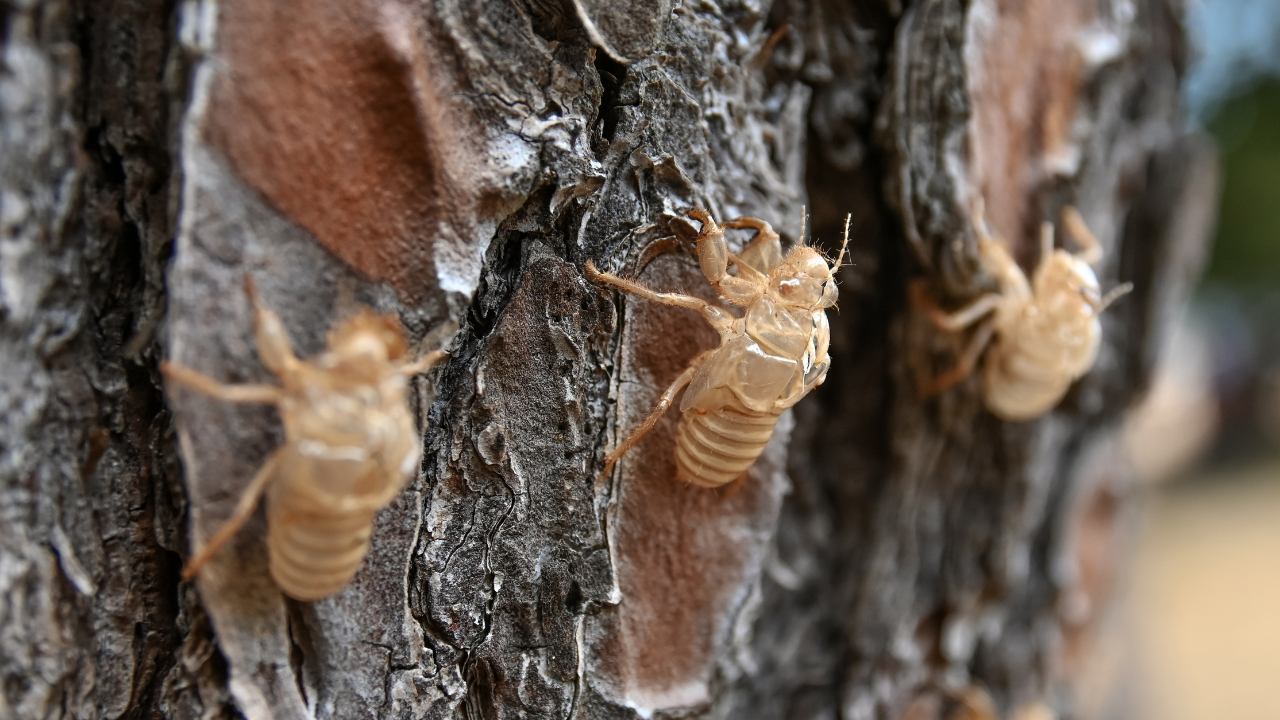
Compounding this native pressure is the aggressive spread of the Formosan subterranean termite. First detected in Mississippi decades ago, these non-native insects have established permanent strongholds across dozens of counties. Unlike native subterranean species that build smaller, localized colonies, Formosan networks contain millions of individual workers. They consume wood at an accelerated rate and aggressively outcompete local fauna. When a mature Formosan colony swarms, millions of insects take flight simultaneously, coating exterior walls and packing porch lights in dense, fluttering clouds that resemble winter snow.
Spotting the Real Danger Zone
Confusion frequently surrounds the appearance of winged insects indoors. Finding a dozen small winged bugs on a windowsill after a spring rainstorm sparks immediate panic, but context matters entirely.
If doors or windows were left open during a humid evening, stray swarmers may wander inside from nearby landscaping, unable to survive long in the dry, air-conditioned environment of a modern home. However, when hundreds of insects emerge directly from baseboards, floor cracks, or electrical outlets, the physical reality changes completely.
That indoor emergence signals an established interior network. By the time a colony produces reproductive swarmers capable of breaking through drywall, the hidden worker population underground or inside structural timber often numbers in the tens of thousands. These blind, wingless workers spend their entire lifespans consuming cellulose from the inside out, leaving the outermost millimeter of painted wood completely intact to shield themselves from light and dry air.
The Economics of Prevention Versus Reaction
Homeowners frequently hesitate at the initial $1,750 price tag for professional chemical trenching or advanced bait station installation. That hesitation creates a dangerous financial gamble.
Consider a hypothetical house in Jackson valued at $300,000. If a homeowner postpones treatment for two years after noticing mud tubes along the foundation, subterranean colonies can silently compromise load-bearing sill plates and subflooring. Replacing those structural elements requires lifting the house, tearing out drywall, and rebuilding framing. That remediation routinely costs between $8,000 and $15,000—an expense entirely separate from the eventual extermination cost.
Pest management professionals divide their services into two primary categories: liquid termiticide barriers and baiting systems. Liquid treatments create a continuous toxic zone in the soil surrounding the foundation, stopping incoming foragers on contact. Bait stations, conversely, use cellulose cartridges laced with slow-acting insect growth regulators. Worker termites ingest the slow poison, carry it back to share with the queen and the rest of the colony, and collapse the entire underground network from within.
Both methods require rigorous annual inspections. Skipping the yearly renewal fee to save $250 often voids damage warranties, leaving the property owner entirely unprotected if a new colony breaches the perimeter a season later.
Navigating the Industry Gray Areas
The pest control market in Mississippi features dozens of competing operators, ranging from national franchises to independent local exterminators. Choosing a provider based purely on the lowest upfront estimate frequently introduces hidden risks.
A standard re-treat-only contract covers the cost of applying more chemicals if termites return, but it does not pay a single penny toward repairing damaged drywall or structural timber. Comprehensive damage-repair contracts cost significantly more per year, but they transfer the financial liability of a structural failure back to the pest control company. Reading the fine print of these agreements separates prudent homeowners from those facing unexpected five-figure repair bills after a warranty claim is denied due to minor ventilation or moisture violations in a crawlspace.
Moisture remains the ultimate catalyst. Subterranean termites require constant humidity to survive. Leaking plumbing lines, unvented crawl spaces, and improper yard grading that channels rainwater directly against foundation walls transform a normal residential lot into a prime feeding ground. Treating the soil with expensive termiticides while ignoring a persistent plumbing leak under a bathroom vanity invites a rapid re-infestation once the chemical barrier degrades.
Property owners must shift their perspective from viewing pest control as an optional seasonal chore to recognizing it as ongoing structural maintenance. The swarms will return with the next warm spring rain, and the colonies waiting underground will continue testing every inch of vulnerable timber.