The federal courthouse in Oakland stands as a grim altar for the digital age. Inside, twenty-nine state attorneys general are squaring off against Meta, the entity that shaped the modern social experience. This trial is not about privacy settings or simple data breaches. It is a fundamental challenge to the architecture of the internet itself.
The states argue that Instagram and Facebook are essentially digital nicotine delivery systems. They allege that Meta engineers intentionally crafted infinite scroll mechanisms, variable reward notifications, and engagement algorithms to hook young users. This is not mere speculation. Internal documents reportedly show the company understood the psychological strain—the anxiety, the body dysmorphia, and the compulsive behavior—yet opted to prioritize user time-on-app over user welfare.
This is the moment where technology meets its reckoning. If the jury finds Meta liable, the precedent will be catastrophic for the industry.
The Design of Discontent
Silicon Valley has long insisted that engagement is a neutral metric of value. If people use a platform for hours, they must enjoy it. The plaintiffs, however, suggest that this is a dangerous fiction. Consider the infinite scroll, a feature that removes any logical stopping point for the user. It is a friction-less experience by design. It bypasses the brain’s natural satiety centers.
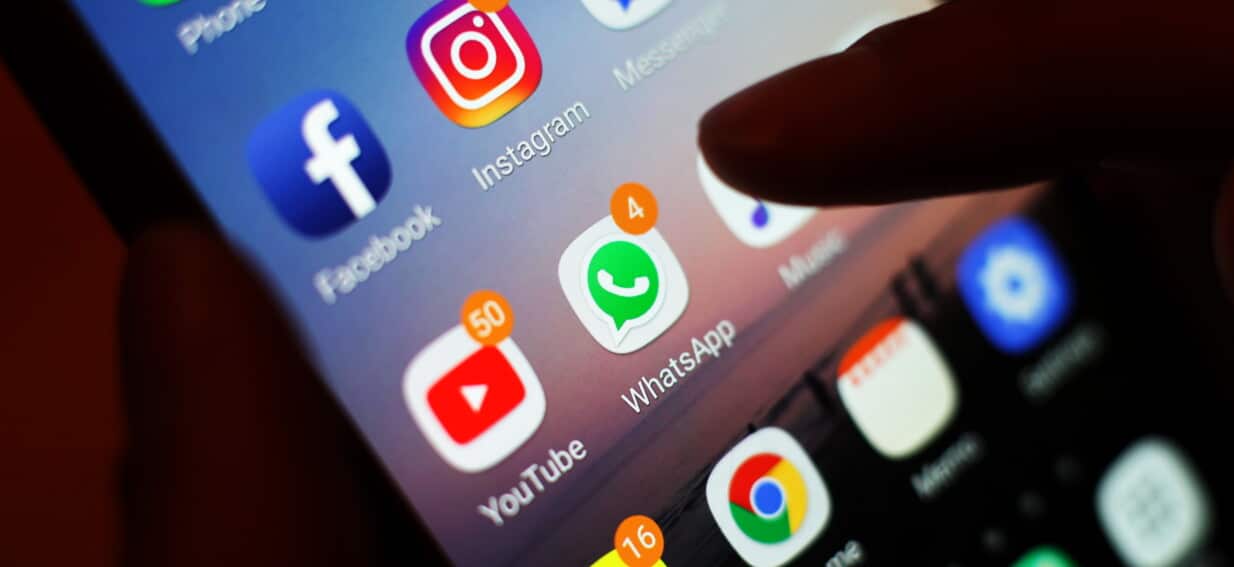
When a user pulls down on their screen to refresh, they are waiting for a dopamine hit. A notification or a new photo acts as a reward. This variable ratio reinforcement schedule—the same mechanism used in slot machines—is the heartbeat of modern social networks.
Hypothetically, imagine a toy manufacturer that creates a fidget spinner. This toy is designed to never stop spinning, so the child never puts it down. Now, imagine that the manufacturer knows the child will miss sleep and fall behind in school because they cannot put the toy away. That is the argument being leveled at Meta. The company did not just provide a service; they engineered a state of constant reach.
The Legal High Stakes
Meta is not standing silent. Their defense rests on the idea that they are an open platform, not a content creator. They point to Section 230, the legal shield that has protected the tech sector for decades. They argue that if they are held responsible for how users interact with the platform, the entire structure of the web becomes impossible to manage.
This is a clever distraction. The attorneys general are focusing on product design, not the content posted by random users. They argue that the algorithm is the product. If a car manufacturer designed a vehicle with a steering wheel that locked in one direction, they would be held liable for the resulting accidents. The states believe this is the same. The algorithm is the steering wheel.
A staggering $200 billion is on the line. That figure is not an arbitrary penalty. It represents a significant portion of Meta’s annual revenue. For a company that has built its valuation on relentless growth, this trial is a direct threat to its profit margins. If the court mandates a redesign, the "engagement first" model dies.
Why This Matters Now
We have lived through a decade of digital expansionism. We traded our attention for convenience and our privacy for connectivity. Now, the bill is coming due. The recent losses for Meta in New Mexico and California serve as a warning. The judiciary is no longer charmed by the rapid pace of innovation.
The public discourse has shifted. Parents are exhausted. Educators are reporting a collapse in student attention spans. The "tobacco" analogy persists not because it is perfect, but because it is visceral. Like the cigarette industry before them, the social media giants are accused of selling a product they knew to be harmful, while aggressively marketing it to the most vulnerable demographics.
The defense will claim this is about personal choice. They will insist that parents have the final say on what their children use. But this ignores the asymmetry of the battle. An individual user, let alone a thirteen-year-old, is no match for a global machine driven by thousands of PhD-level researchers, psychologists, and machine learning engineers whose sole objective is to win the battle for attention.
Beyond the Verdict
Regardless of the final dollar amount, the damage to Meta’s reputation is already accumulating. The internal communications surfacing in court are providing a rare, unfiltered look at the corporate culture. When executives talk about "hooks" and "retention" while internal reports highlight the risks to teenage girls, the public loses its trust in the narrative of a "connected world."
The industry needs a transformation. Even if Meta wins this trial, the regulatory environment is tightening. Other platforms like TikTok and YouTube are watching closely. They know that if the state attorneys general succeed, they are next.
The era of unchecked digital growth is reaching its limits. The question is no longer whether we should be worried about the effects of social media; the question is how much we are willing to sacrifice to reclaim our attention. The trial in Oakland is just the beginning. The real battle is happening in our pockets every hour of every day.