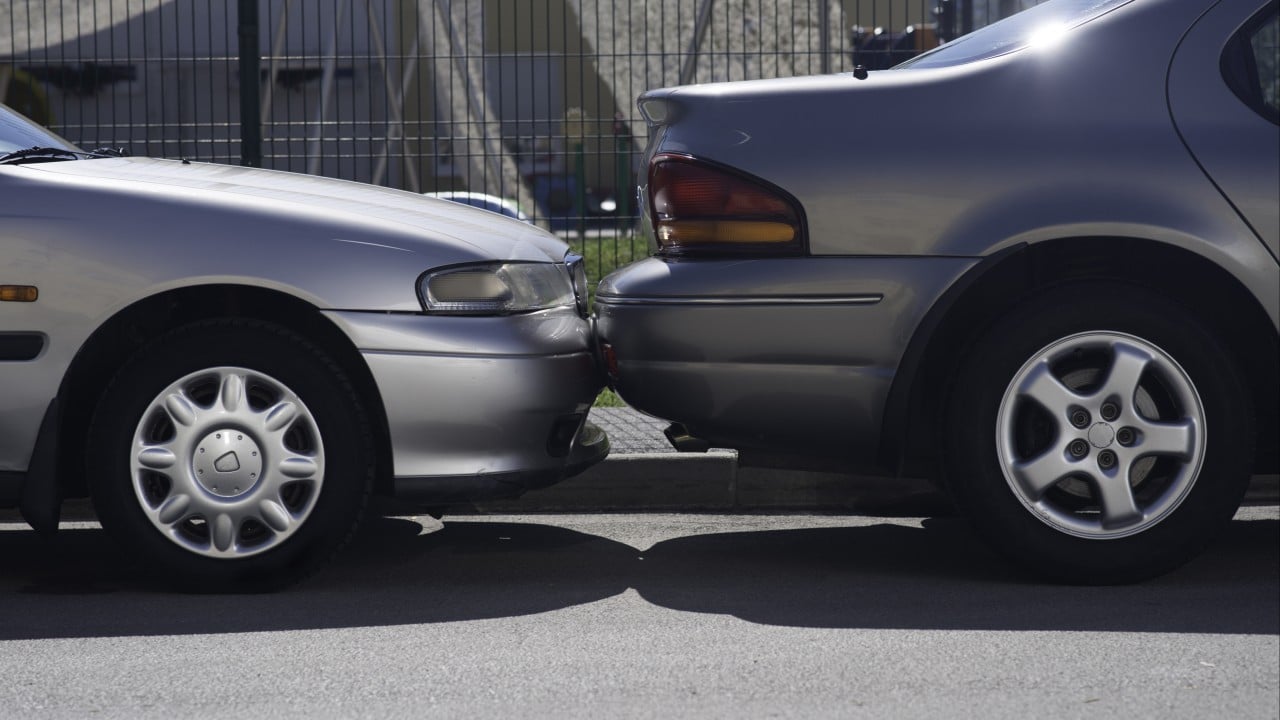
Organized crime syndicates in Hong Kong figured out how to turn minor traffic mishaps into a massive financial engine. When local law enforcement arrested 17 more suspects tied to a staggering HK$137 million crash-for-cash fraud operation, it exposed a deeply sophisticated criminal network. This wasn't just a few rogue drivers looking for quick payouts. Investigators from the commercial crime bureau uncovered a sprawling conspiracy involving hundreds of suspicious traffic claims and a troubling level of professional coordination.
If you drive in the city, you already know the roads are tight, tempers run short, and minor bumper-to-bumper scrapes happen every single day. Criminals rely on this exact chaos. They convert ordinary intersections and crowded roundabouts into profit centers. The recent sweep brings total arrests to 55, but the sheer scale of the operation suggests insurance fraud in Hong Kong has reached an entirely new industrial level. You might also find this similar article insightful: Why Thousands Are Protesting Flavio Bolsonaro Across Brazil Right Now.
How The Modern Crash For Cash Scam Actually Works
For years, people imagined staged accidents as two beat-up cars deliberately slamming into each other at low speeds. The reality is far more calculated. Syndicates rely on a few distinct methods to drain insurance pools, and understanding them is your best defense against becoming a target.
The first pattern is the roadside cash grab. Fraudsters target commercial vehicles, taxis, and minibuses in tight spots, narrow turns, and blind spots. They wait for a lane change, accelerate just enough to force contact, and immediately demand cash on the spot. They usually ask for anywhere between HK$4,000 and HK$16,000. They bank on driver panic, guilt, and the fear of losing a commercial license over a minor dispute. As discussed in latest coverage by TIME, the effects are significant.
The second pattern is far more dangerous because it involves professional infrastructure. This is what drove the massive HK$137 million investigation. A minor incident happens, or is entirely manufactured on paper. Months later, the insurance company receives an inflated civil claim. These claims come backed by forged medical certificates, fake repair bills, and fabricated income losses.
Investigators found that hundreds of these suspicious cases pointed directly to a single local law firm. That detail changes everything. When legal professionals actively participate in processing fraudulent claims, ordinary insurance checks fail to catch the deception. One arrested individual had allegedly filed traffic accident claims 12 times, pocketing or attempting to extract millions.
Why Drivers And Insurers Keep Falling For It
Insurance companies are built to process volume quickly. When a claimant presents a seemingly legitimate medical certificate proving weeks of lost work alongside a certified repair invoice, adjusters face immense pressure to settle. Litigation is expensive. Payouts often look cheaper than fighting a prolonged court battle.
Syndicates exploit this corporate inertia. They recruit vulnerable people—often individuals facing financial distress—to act as the faces of the claims. These recruits lend their names and identities to the paperwork in exchange for a cut of the payout. They rarely think about the long-term consequences because the immediate cash reward feels risk-free.
Hong Kong law treats these offenses with extreme severity. Conspiring to submit false information or inflating accident claims constitutes fraud under theft ordinances, carrying maximum prison sentences of up to 14 years. Yet the promise of quick money blinds many participants to the reality of a lengthy prison sentence.
Protecting Yourself On The Road
You can't control what reckless drivers do around you, but you can protect yourself from becoming collateral damage in an insurance scam. Dashcams are no longer optional accessories. They are mandatory self-defense tools on modern roads.
If you get into any collision, no matter how minor, do not negotiate cash settlements on the curb. Call the police immediately. Inspect the surrounding vehicles for multiple passengers who seem overly rehearsed or unconcerned about the damage. Document everything with wide-angle video footage that captures the license plates, the road layout, and the behavior of the other parties involved. Submit your footage directly to your insurer or the authorities the same day.
The crackdown on these syndicates is ongoing, but criminal operations constantly adapt. Staying vigilant on the road is the only way to ensure you don't fund the next multi-million-dollar payout.


