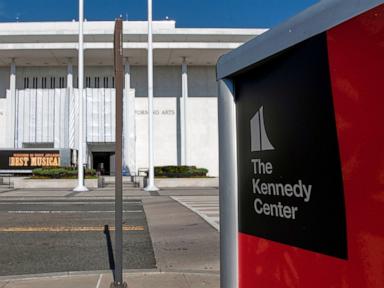
The John F. Kennedy Center for the Performing Arts is facing an unprecedented institutional paralysis. While public statements point to routine deliberations over long-term facilities management, the reality behind closed doors involves severe budgetary anxiety, clashing bureaucratic priorities, and a total freeze on future programming. The decision to weigh a complete closure for a massive overhaul has effectively halted the artistic pipeline. For an institution that serves as both a national cultural monument and a functional engine for the performing arts, this prolonged indecision is causing immediate damage to its reputation and financial stability.
The Cost of Total Darkness
Closing a major cultural institution is never a simple matter of turning off the lights and bringing in the construction crews. The economic ripple effects of a complete shutdown are devastating to the delicate ecosystem of the performing arts. When a venue goes dark, it does not just lose ticket sales. It loses its subscription base, its seasonal staff, and its cultural momentum.
The Breakdown of the Subscription Model
Modern arts organizations rely heavily on subscriber loyalty to guarantee upfront capital at the start of a fiscal year.
- Patron Drift: Once a subscriber breaks their yearly habit, getting them back is notoriously difficult and expensive. They find other cultural outlets or simply stop attending live performances altogether.
- Sponsor Flight: Corporate donors and philanthropic foundations want visibility. If the stages are empty for two seasons, those multi-million-dollar naming rights and sponsorship packages dry up.
- The Talent Drain: Top-tier orchestras, theater companies, and dance troupes plan their national and international tours three to four years in advance. They cannot afford to wait around for a board of trustees to make up its mind.
By leaving the calendar blank and refusing to commit to future seasons, the leadership is effectively forcing booking agents and artistic directors to look elsewhere. The Kennedy Center is risking a scenario where, upon reopening, it will find its rolodex empty and its core audience entirely disengaged.
The Hidden Failure of the Phased Alternative
Board members pushing back against a total closure argue that a phased renovation is the safer path. They point to successful projects where individual theaters within a larger complex were renovated one by one, allowing the rest of the facility to remain operational. This argument is fundamentally flawed when applied to the unique structural reality of this specific site.
A phased renovation is an administrative nightmare that often doubles both the timeline and the final price tag.
Imagine trying to stage a delicate, quiet dramatic play or a nuanced orchestral performance while jackhammers are vibrating through the concrete foundation just two walls away. The noise bleed alone makes simultaneous construction and performance impossible. Furthermore, construction crews require staging areas, heavy machinery access, and strict security zones. Forcing hundreds of thousands of patrons to navigate a maze of scaffolding, dust sheets, and temporary walkways completely destroys the audience experience.
The financial reality is that a phased approach extends the project from a sharp, two-year disruption into an agonizing seven-year slog of constant delays and cost overruns. The institution ends up paying mobilization fees to contractors over and over again, while still suffering a massive drop in ticket sales because nobody wants to spend premium prices to sit in a construction zone.
The Administrative Paralysis and the Blame Game
The current programming freeze is a direct symptom of a profound split within the executive leadership. On one side are the traditionalists, who believe the center must maintain its role as a living memorial with non-stop public access. On the other side sit the fiscal realists, who look at the ballooning deferred maintenance costs and realize that patching the holes is no longer viable.
This internal civil war has resulted in a complete lack of direction. Staff members in the booking and production departments are trapped in limbo, unable to extend contracts or confirm dates for upcoming seasons. Meanwhile, overhead costs continue to burn through capital. Security, climate control for the massive facilities, and administrative salaries do not disappear just because the stages are quiet. Every month the board spends debating the merits of closure versus a phased approach is a month of wasted operational funds.
The True Stakes for the National Arts Ecosystem
This crisis extends far beyond the Potomac. As a national center, the institution sets the tone for the entire American performing arts sector. If the premier venue in the nation's capital cannot manage its infrastructure without collapsing into a state of logistical panic, it signals a systemic vulnerability across the entire industry.
The board needs to stop treating this as a choice between two bad options and start executing a decisive strategy. If a total closure is necessary to fix the crumbling infrastructure once and for all, then leadership must own that decision immediately. They must pivot their entire operation into a mobile, outward-facing institution, bringing performances to pop-up venues, local parks, and partner theaters across the country to keep the brand alive.
The worst possible move is the one they are currently making. Sitting still, clearing the schedule, and hoping the problem solves itself while the building ages and the audience walks away is a masterclass in institutional decline.