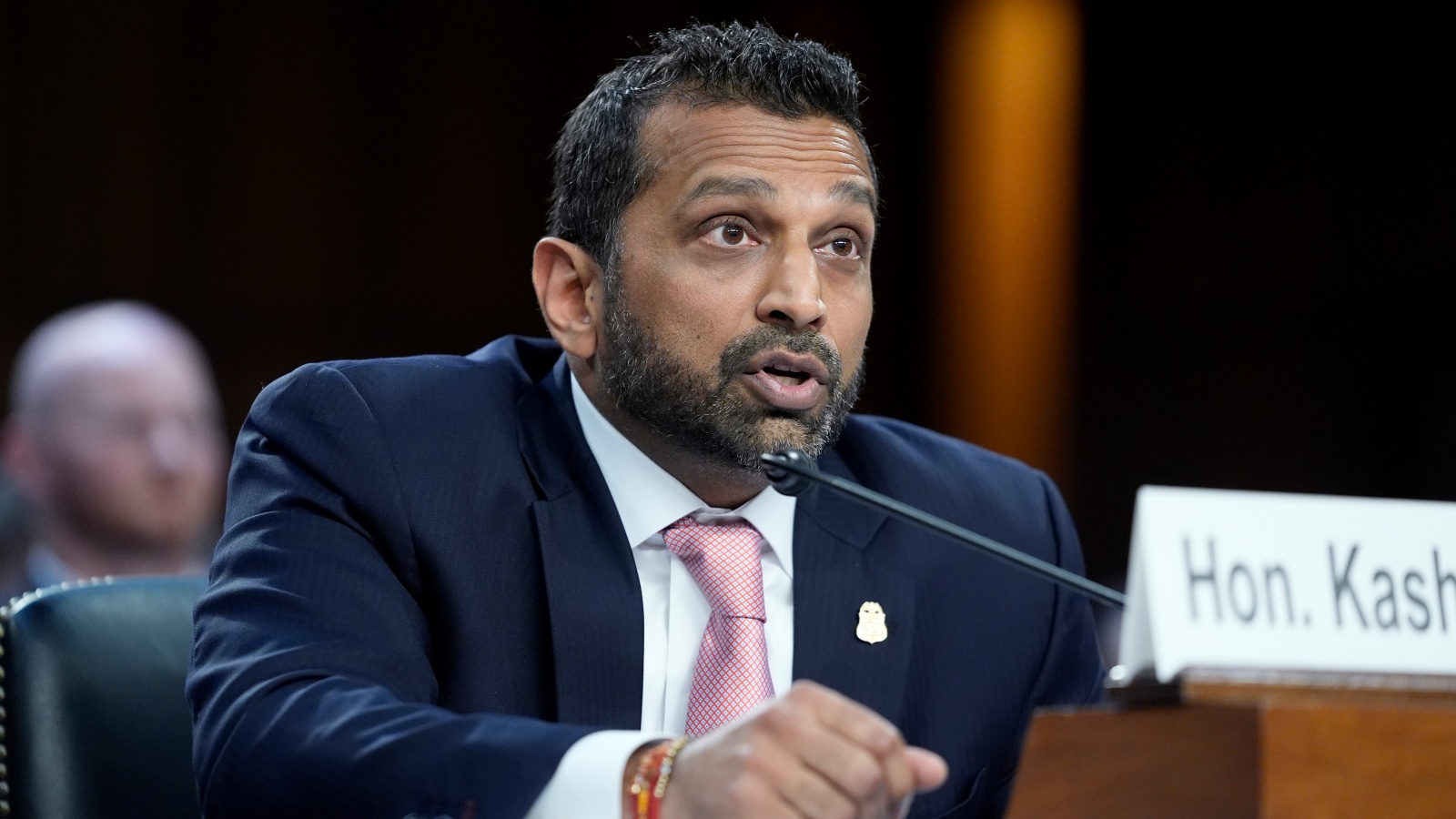
Federal Bureau of Investigation Director Kash Patel faced a hostile Senate Judiciary Committee hearing, where lawmakers aggressively questioned him over explosive revisions to internal hiring rules, the handling of high-profile investigative files, and accusations of political bias within the nation's premier law enforcement agency. The marathon oversight session quickly devolved into sharp partisan clashes, highlighting the deep institutional friction defining Patel's tenure at the top of the bureau.
The most jarring exchanges centered on administrative changes to the FBI's employment eligibility criteria. Senators from both sides of the aisle pressed Patel regarding the bureau’s decision to remove certain historical bars—including specific behavioral violations involving prostitution and bestiality—as automatic lifetime disqualifiers for prospective agents.
Republican Senator John Kennedy of Louisiana directly challenged the logic behind relaxing such rigid checks. Asking why the bureau would consider altering standards that had stood for generations, Kennedy questioned the vetting justification head-on during the live testimony.
Patel defended the policy shift by arguing that the updated framework is designed to protect victims of severe human trafficking. According to the FBI director, applicants who were previously forced or coerced into degrading acts under duress should not face an absolute barrier to public service.
"We did not want to punish victims of bestiality, victims who were trafficked," Patel testified to the panel.
While Patel maintained that voluntary participation in such conduct remains entirely unacceptable and grounds for rejection, the defense did little to quell bipartisan skepticism. Critics argued that lowering institutional guardrails risks compromising the rigorous character standards traditionally expected of federal special agents.
Beyond personnel policies, the questioning veered heavily into sensitive political territory. Democratic lawmakers grilled Patel over the bureau's handling and release of records associated with the late sex offender Jeffrey Epstein. Senators questioned the internal review processes applied to those documents, specifically targeting how references to prominent political figures were handled during the review phases.
The interrogation also touched upon broader concerns regarding transparency, travel expenses, and the sudden departure of senior Justice Department personnel. Democratic Senator Dick Durbin launched a blistering critique of Patel's leadership, characterizing the director's management style as partisan and disruptive to the bureau's traditional independence.
Patel pushed back aggressively against accusations of institutional weaponization. He insisted that his objective is to strip away bureaucratic bloat and refocus the agency on core criminal threats, pointing to recent drops in national violent crime statistics and high-profile international arrests achieved during his administration.
The fiery session underscored a broader reality of modern federal oversight. Congressional hearings have increasingly transformed into proxy battlegrounds where policy execution is inextricably tied to bitter partisan warfare, leaving the actual mechanics of institutional governance caught in the crossfire.
Watch the intense exchange between lawmakers and FBI Director Kash Patel during the Senate hearing on YouTube. This video footage captures the sharp questioning from senators regarding controversial FBI policy changes and high-stakes transparency debates.