Donald Trump claims Iran has already agreed to forgo a nuclear weapon, but the reality on the ground tells a dangerously different story. While the White House projects an image of a breakthrough negotiated through backchannels, a kinetic conflict is simultaneously escalating across the Middle East. Trump’s assertion of a settled nuclear commitment ignores flat denials from Tehran and a massive spike in regional hostilities, revealing a profound disconnect between executive rhetoric and geopolitical facts. This is not a diplomatic triumph. It is a high-stakes illusion masking a war that has spun out of control.
The Phantom Accord
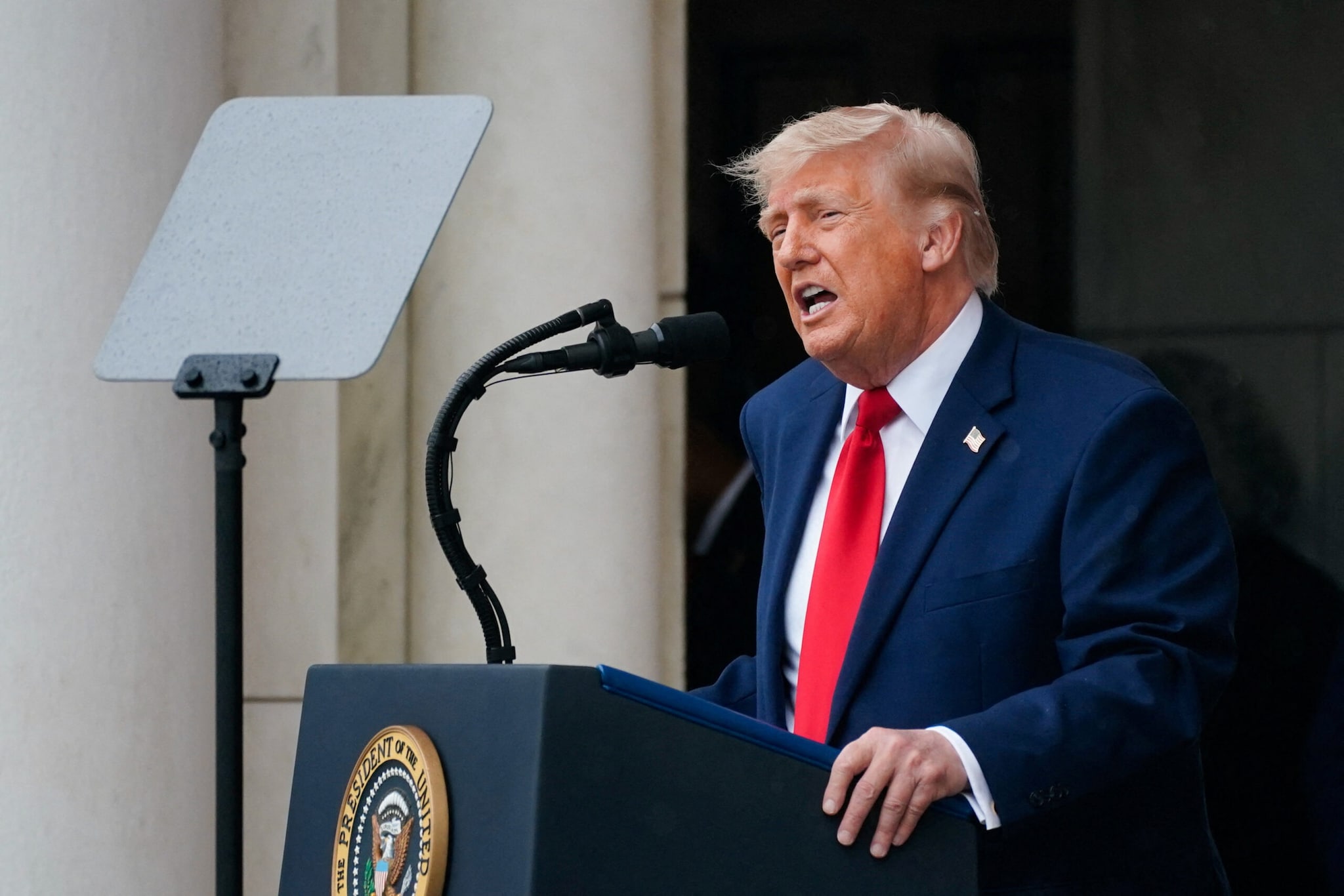
On a Tuesday interview for the New York Post’s "Pod Force One" podcast, Trump announced that Iran had "already agreed they're not going to have a nuclear weapon". He went as far as claiming that Supreme Leader Mojtaba Khamenei was personally approving terms through intermediate channels. Also making waves recently: Why the Karachi Garbage Crisis Worsens Every Single Year After Eid.
The declaration was designed to signal that the administration’s "maximum pressure" campaign had finally broken the Islamic Republic’s resolve.
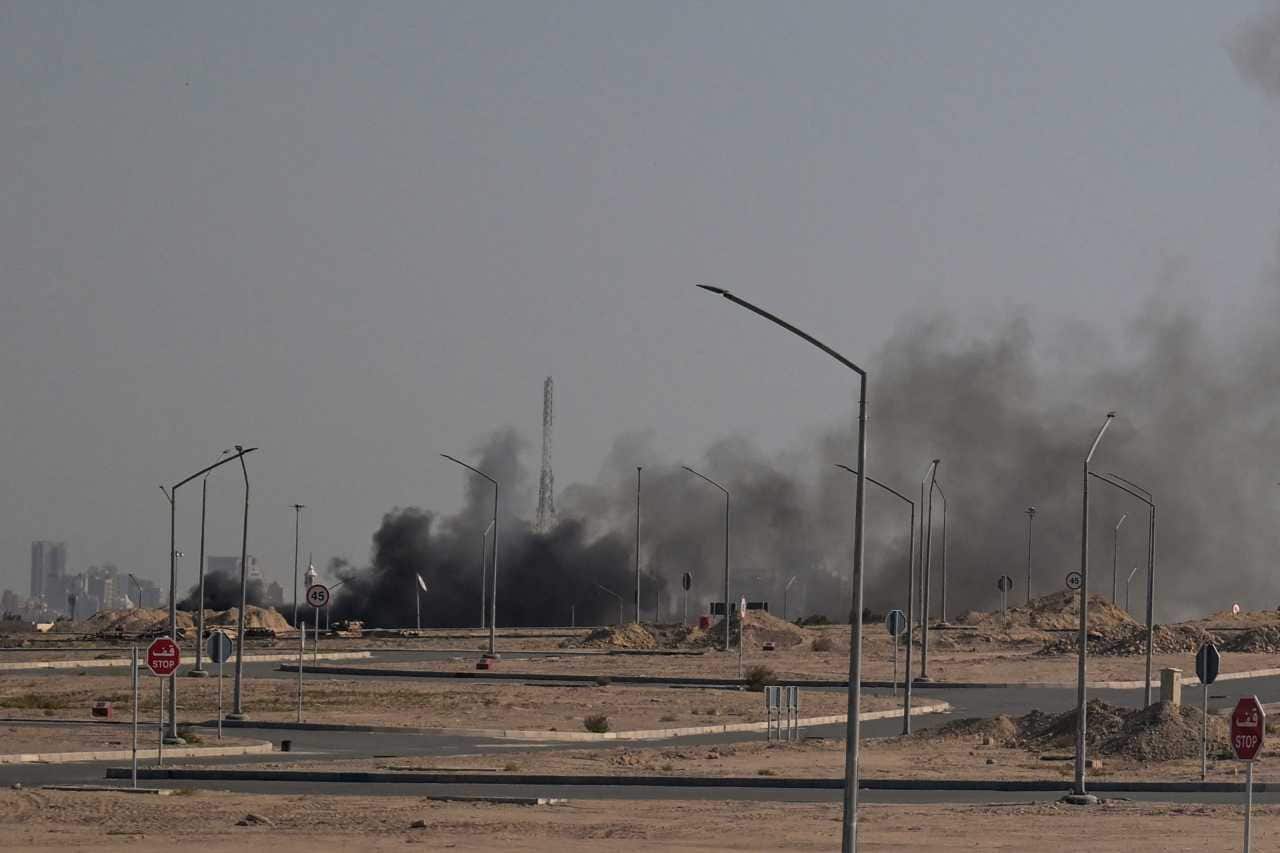
The same morning that interview aired, Islamic Revolutionary Guard Corps (IRGC) drones and missiles slammed into the passenger terminal at Kuwait International Airport, killing one person and wounding dozens more. Simultaneously, a separate barrage targeted the U.S. Fifth Fleet headquarters in Bahrain. More information into this topic are covered by Reuters.
Tehran did not just deny the strikes; they dismantled the entire diplomatic narrative. Foreign Ministry spokesman Esmaeil Baghaei stated bluntly that "no negotiations have taken place at this stage on the details of the nuclear issue". Two days prior, Tehran had already used Tasnim, the IRGC-affiliated news agency, to announce a complete freeze on all mediated exchanges.
We are left with two parallel realities. In one, a deal is imminent. In the other, the missiles are flying, the strait is blocked, and the diplomats have left the room.
The Collapse of Maximum Pressure
The current crisis did not emerge from a vacuum. It is the direct consequence of a multi-year strategy that substituted grandstanding for structural diplomacy.
When the United States withdrew from the Joint Comprehensive Plan of Action (JCPOA) in 2018, the administration promised that unilateral sanctions would force Iran to negotiate a "better deal". The JCPOA was far from perfect, but it kept Iran’s uranium enrichment capped at a docile 3.67%. It forced Tehran to ship 11 tonnes of enriched material out of the country, effectively closing any immediate path to a bomb.
Removing those constraints achieved the exact opposite of its intended goal. Without inspectors monitoring every corner of Iranian industry, Tehran accelerated its program. By the time the current conflict escalated, Iran possessed nearly a thousand pounds of uranium enriched to 60% purity.
That is not a civilian energy reserve. It is a technical stone's throw from 90% weapons-grade material.
The Secret Nuclear Sites
| Site Name | Pre-Conflict Status | Current Estimate |
|---|---|---|
| Natanz | Monitored / Low Enrichment | Highly Enriched Stockpiles |
| Fordo | Deep Underground Enrichment | Advanced Centrifuge Operations |
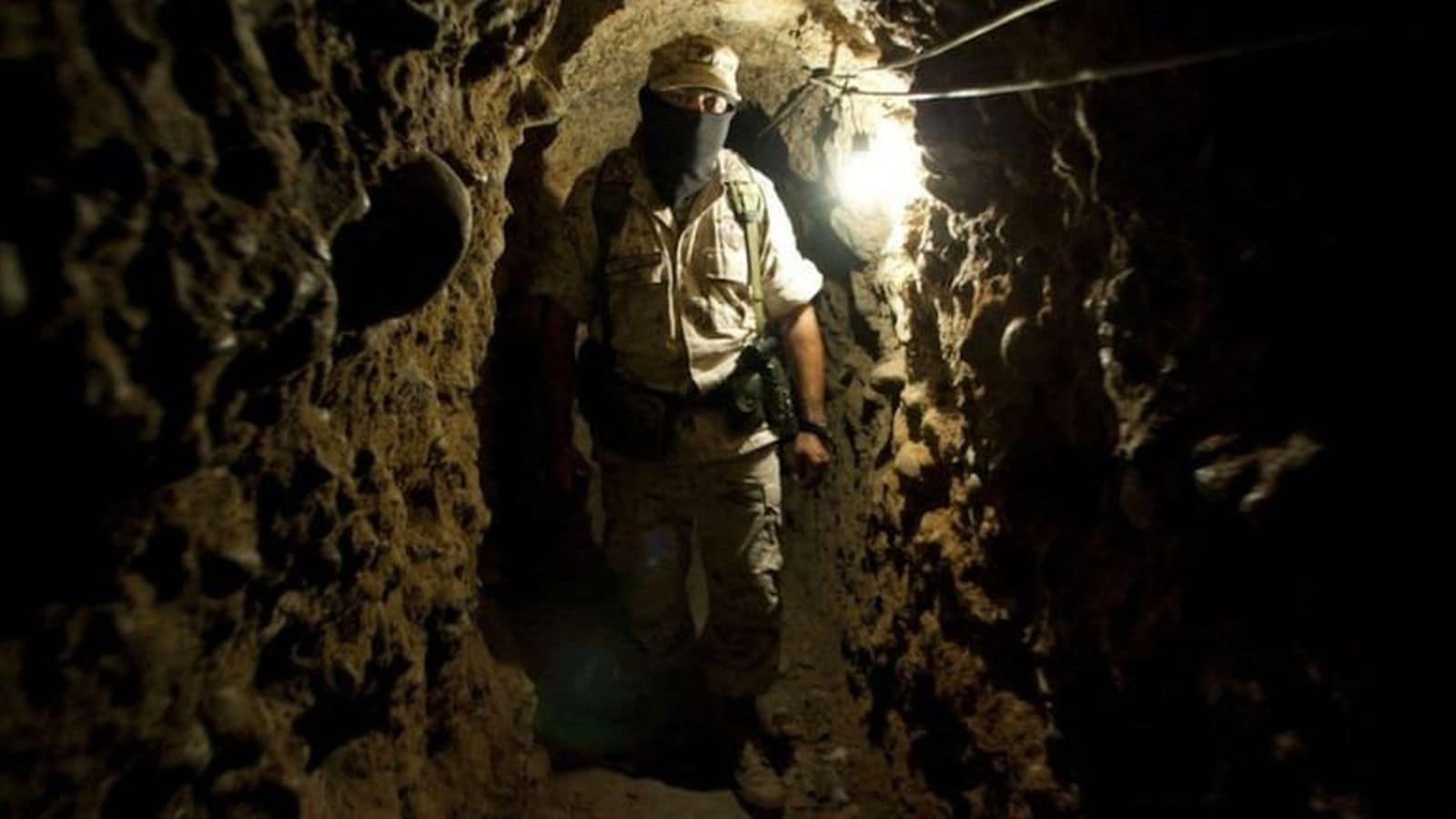
| Pickaxe Mountain | Undisclosed / Hardened | Undamaged by Air Campaigns |
The administration’s military strategy assumed that targeted airstrikes could erase this progress. The 12-Day War of 2025 targeted known infrastructure, but heavily fortified, deep-buried installations like Pickaxe Mountain remain completely intact. You cannot bomb an intellectual asset, and you cannot destroy facilities buried under hundreds of feet of solid rock with standard conventional munitions.
Disarray in the Diplomatic Channels
The administration's efforts to patch together a Memorandum of Understanding (MOU) via Pakistan and Qatar have exposed deep divisions within both governments. The White House recently floated five strict preconditions for Iran to resume formal talks:
- The immediate delivery of 400 kilograms of enriched uranium to the United States.
- The reduction of Iran's nuclear infrastructure to just one single operational facility.
- An absolute linkage of nuclear talks to a total cessation of regional hostilities.
- The withholding of at least a quarter of Iran’s frozen assets as leverage.
- The total rejection of Iranian demands for war reparations.
These terms are a diplomatic non-starter for a regime that perceives itself as surviving a military siege. While Trump tells the public that a "very good deal" is close, his own advisers are setting benchmarks designed to force a capitulation that Tehran’s clerical leadership cannot accept without risking its own survival.
The tension inside the American delegation is palpable. Vice President JD Vance left the Islamabad talks earlier this spring admitting that negotiations had produced absolutely nothing. Days later, the administration ordered a naval blockade of Iranian ports, a move that under international law constitutes an act of war, not a diplomatic overture.
The Proxy Resurgence
The most glaring flaw in the administration’s assessment is the belief that military pressure has severed Iran's control over its regional proxies. The opposite has occurred.
While the official diplomatic core in Tehran occasionally signals a willingness to discuss regional security, the IRGC operates on an entirely different script. The regional proxy network has not been dismantled; it has been battle-tested. Hezbollah, which entered the recent phase of the conflict severely weakened, has reorganized its command structure. They are now deploying first-person-view drones with devastating efficiency across the northern front.
The attack on Kuwait's airport demonstrates that the IRGC is willing to sabotage its own government’s diplomatic initiatives if it means establishing tactical deterrence. When Trump speaks of an agreement with Iran, he speaks of a government that does not possess total control over its own vanguard forces. The diplomatic wing cannot honor a promise that the military wing is actively blowing up.
Global markets are already pricing in the reality of a prolonged conflict that rhetoric cannot fix. Brent crude has surged toward $94 a barrel, a 30% spike driven by a near-total collapse of commercial shipping through the Strait of Hormuz.
Tanker traffic through the vital chokepoint has plummeted by over 90% since the blockade and retaliatory strikes began.
The United States is locked in a war of attrition with an adversary that has spent four decades preparing for exactly this scenario. Believing that a verbal assurance delivered via a podcast constitutes a geopolitical breakthrough is a dangerous miscalculation. The administration is negotiating with a phantom partner while the real actors are reloading their missile launchers.
Watch this detailed analysis on global energy markets and Middle East security
This report details how volatile oil prices and shipping disruptions continue to challenge international efforts to stabilize the region amid ongoing diplomatic disputes.