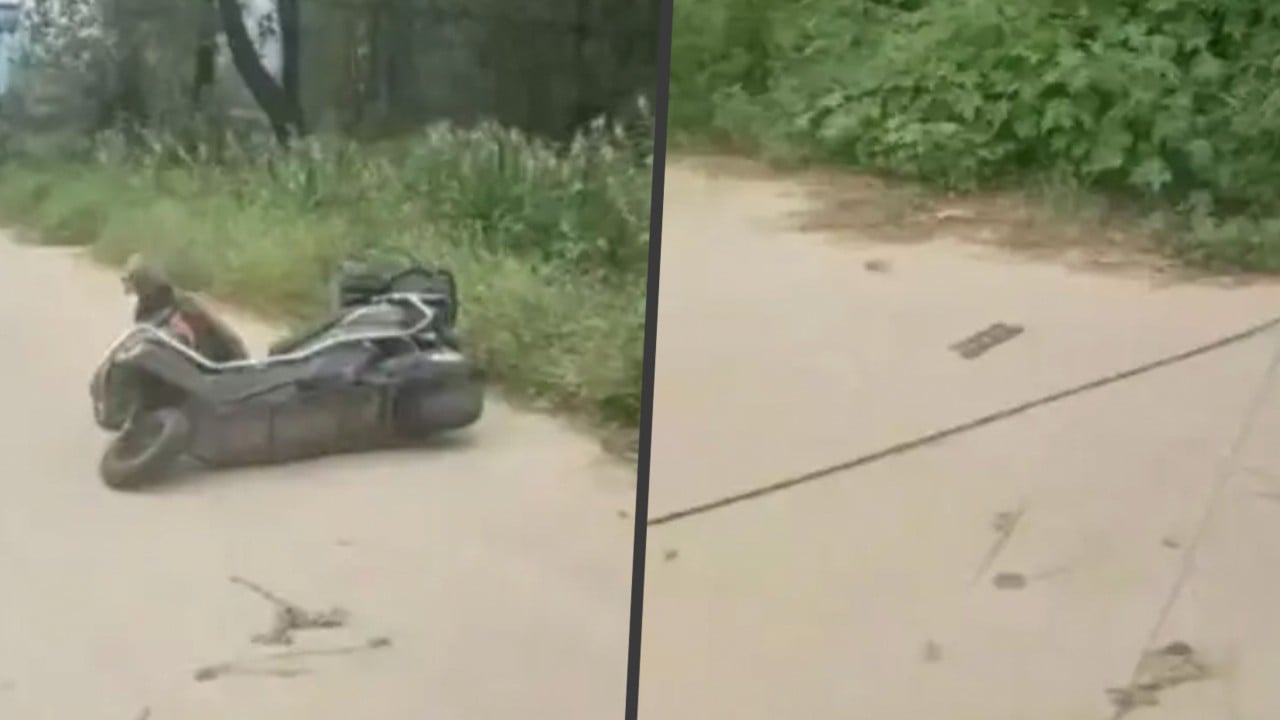
A 27-year-old cyclist was hunted down and killed by a pack of free-roaming dogs on a dark road in Yuen Long, exposing a lethal failure in local animal management that authorities have ignored for years.
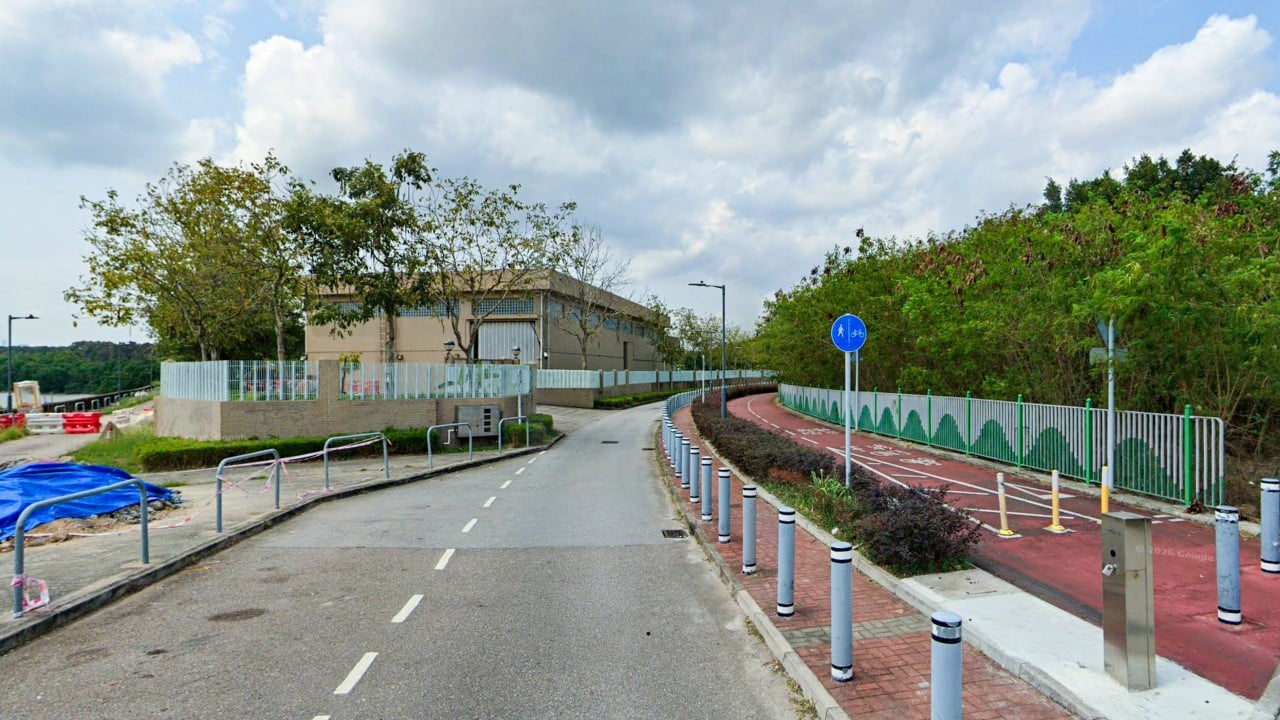
The midnight tragedy along Pok Wai South Road sent shockwaves through a city that prides itself on ultra-low violent crime rates. According to closed-circuit television footage and police briefings, the victim was riding a shared bicycle home when three medium-sized dogs cornered and attacked her, inflicting catastrophic injuries to her head, neck, and limbs. She was later pronounced dead at the hospital. Recently making headlines in this space: The Transit Hub Trap Why International Drug Couriers Keep Losing the Game at the Airport.
For decades, the fringe neighborhoods of Hong Kong's New Territories have operated under an unwritten, fragile truce between humans and semi-feral packs. Warehouses, container yards, auto-repair shops, and remote brownfield sites routinely keep guard dogs. When these animals escape, are abandoned, or breed unchecked, they form territorial packs that view anyone moving through their perimeter as a threat. Cyclists and night-shift workers are particularly vulnerable.
The Anatomy of a Rural Blind Spot
Urban centers like Central or Tsim Sha Tsui rarely witness this dynamic, which creates a dangerous administrative detachment within government departments. The Agriculture, Fisheries and Conservation Department (AFCD) and local police treat stray and semi-feral dog complaints as routine nuisance calls rather than public safety emergencies. Further details into this topic are explored by The Guardian.
When pack animals hunt, they do not act out of spontaneous malice. They act on hardwired predatory triggers. A moving target, such as a bicycle rolling past a dark industrial lot at midnight, easily triggers a chase response. Once a pack breaks a victim's balance and knocks them to the ground, the escalation from territorial defense to a fatal mauling happens in seconds.
Public outrage following the Yuen Long incident forced the government to sweep through industrial yards, capturing several dogs in the immediate vicinity. Yet community advocates point out that removing a few animals after a fatality is reactionary theater. The structural pipeline that produces feral packs remains entirely intact.
Enforcement Gaps and Owner Accountability
Behind every semi-feral pack usually stands a negligent human. Industrial and rural landowners routinely tie up dogs as cheap security systems, feed them irregularly, and fail to sterilize them. When the businesses close or relocate, the animals are left behind to fend for themselves, spawning successive generations of un-socialized descendants that have never interacted peaceably with humans.
Existing legislation holds theoretical penalties for animal abandonment and failure to control dangerous dogs, but enforcement is notoriously toothless. Inspections of brownfield sites and rural storage lots are infrequent. Officers rarely issue heavy fines or pursue custodial sentences unless a high-profile tragedy forces their hand.
Critics argue that animal welfare policies have become paralyzed between two extremes. On one side are radical protectionist stances that resist effective population control or swift removal of aggressive pack animals. On the other side is bureaucratic apathy from departments that view the New Territories' rural fringes as lawless wilderness zones where standard municipal rules do not apply.
Breaking the Cycle of Reaction
Preventing another fatality requires a fundamental shift in how Hong Kong patrols its rural boundaries. Risk-based sweeps targeting unauthorized guard dogs, mandatory microchipping enforcement for all industrial working dogs, and steep liabilities for businesses that abandon animals are baseline requirements.
Until the government treats unmanaged canine packs as a serious hazard, the dark roads of the New Territories will remain unsafe for anyone traveling after hours.