Security alerts don't usually start with a routine report of suspicious vehicles on a quiet Gloucestershire road. Yet that exact moment triggered a major counter-terrorism response, the evacuation of dozens of households, and a cascade of international security maneuvers involving the United States Air Force. When counter-terrorism police began making arrests following the late September incident at RAF Fairford, the scale of the threat immediately became clear.
Understanding what actually happened requires looking past the initial headlines and examining how modern base security handles covert threats, proxy actors, and cross-border intelligence operations. If you enjoyed this post, you might want to look at: this related article.
The Anatomy of the Gloucestershire Security Alert
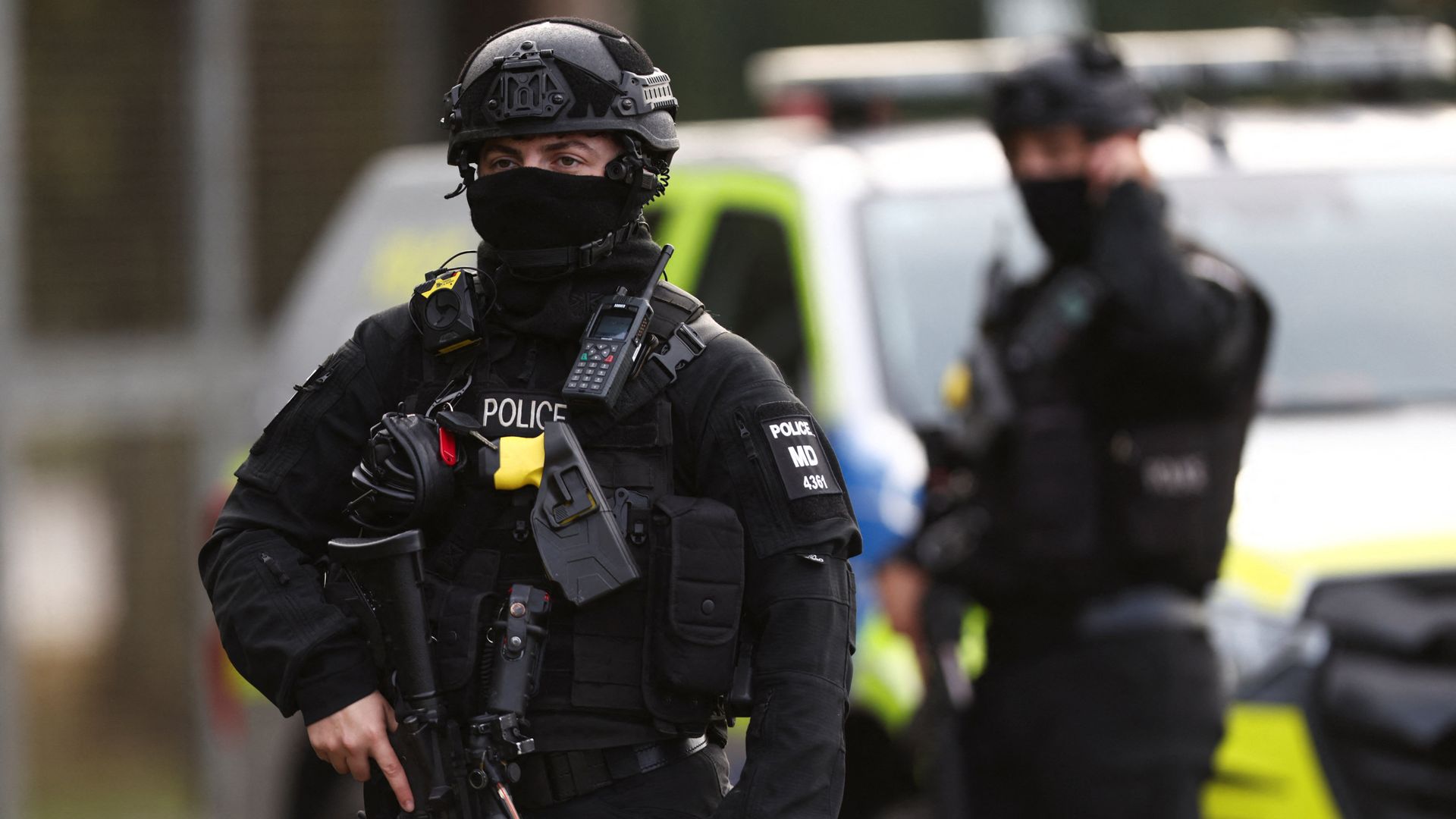
The operation unfolded quickly in the early hours of a Sunday morning. Police intercepted three vans heading toward RAF Fairford, a vital British air station frequently utilized by United States strategic bombers. Roughly 85 local households in the nearby village of Whelford faced sudden evacuation while British Army bomb disposal specialists secured the perimeter and investigated the vehicles.
Investigators found quantities of gasoline inside the vans, though no traditional explosives were recovered at the immediate scene. Controlled detonations heard by nearby residents underscored the volatile nature of the response. For another look on this event, see the recent coverage from Associated Press.
Local residents found themselves in the middle of a high-security zone overnight. WhatsApp community groups buzzed with warnings hours before official containment measures locked down the area. For a sleepy corner of the Cotswolds, the reality of modern geopolitical conflict hit home with jarring speed.
Tracking the Suspects and Expanding Arrests
The legal fallout expanded steadily over subsequent weeks. Counter-terrorism units methodically rounded up suspects across London and surrounding areas. Initially, several men in their twenties were arrested under the Terrorism Act and the Explosives Act.
As forensic teams and digital investigators picked through communications and travel logs, the legal framework shifted. Authorities charged individuals under the National Security Act, pointing toward suspected assistance provided to a foreign intelligence service. The investigation ultimately snared multiple suspects, reflecting a network rather than a lone actor.
Police bail conditions were tightly managed, and subsequent re-arrests demonstrated that intelligence agencies were uncovering deeper operational layers. The progression from initial vehicle stops to National Security Act charges highlights how intelligence services trace financial flows, digital instructions, and handler-operative relationships long after the initial physical containment.
Geopolitical Fallout and the Shadow of Foreign State Proxies
The implications stretched far beyond Gloucestershire. High-ranking officials in London pointed to strong indications of foreign state involvement, specifically suggesting proxy actions linked to Iran. While the Iranian Embassy in London dismissed these claims as unfounded, international reaction was swift.
The United States military took immediate defensive precautions. Strategic assets, including B-1 Lancer bombers stationed at the base, were withdrawn and returned to mainland American installations. Later federal indictments unsealed in the United States shed further light on how international networks coordinate remote targeting instructions via encrypted messaging, turning quiet European airbases into frontlines of a simmering shadow war.
When major military installations face threats from proxy networks, standard base defense protocols must adapt instantly. The incident serves as a stark reminder that physical perimeter fences alone cannot stop sophisticated, distributed cells operating within domestic borders. Public vigilance and rapid intelligence sharing remain the primary defenses against attacks orchestrated from thousands of miles away.