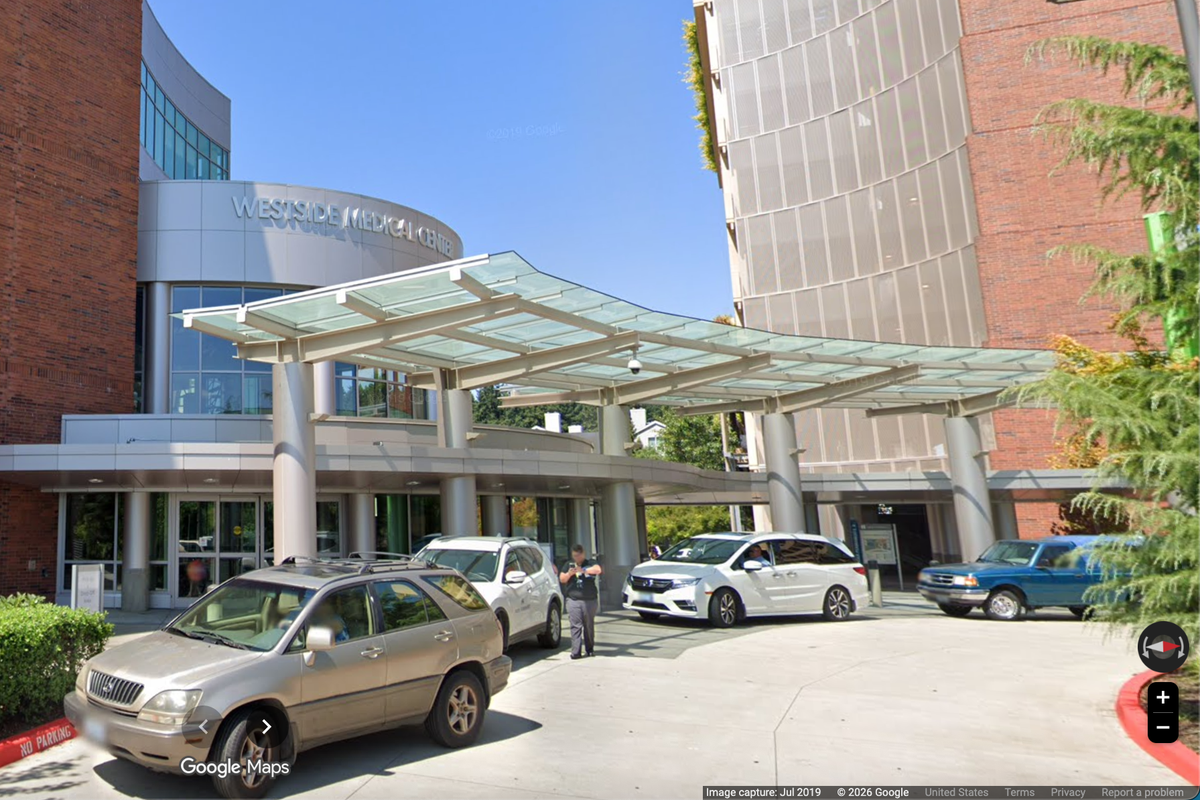
A standard medical error usually involves a misplaced decimal point or a mislabeled chart. What happened at the Kaiser Permanente Westside Medical Center in Hillsboro, Oregon, points to a much deeper breakdown in modern clinical environments. According to a thirteen-million-dollar lawsuit filed by Sarah Blackman, a local podiatrist injected her toes with four milliliters of isopropyl rubbing alcohol instead of a local anesthetic before ripping out her ingrown toenails. The incident resulted in severe tissue necrosis, agonizing chemical burns, and permanent nerve damage. It also exposed the dark reality of institutional rushing and the terrifying lack of transparent medical oversight.
This is not just a case of an individual clinician pulling the wrong vial from a shelf. It is a symptom of a healthcare culture that often prioritizes speed and volume over baseline patient safety. When clinicians treat procedures like an assembly line, the human body pays the price.
The Mechanics of a Medical Torture Scenario
Medical procedures rely on strict protocols designed to prevent catastrophic mix-ups. To understand how rubbing alcohol ends up in a syringe meant for lidocaine, one must look at how modern procedure rooms are stocked. Isopropyl alcohol and local anesthetics are both clear liquids. They sit in similar clear vials or containers on medical carts. In an organized system, these substances remain segregated by strict labeling protocols, color-coded caps, and a standard double-check policy before any fluid enters a syringe.
The system broke down completely during Blackman's appointment on January 29. According to the legal complaint, Dr. Colin Mizuo did not verify the substance before drawing it into the needle. Rubbing alcohol acts as a total cellular destroyer when introduced directly into deep human tissue. It strips away cell membranes, causing immediate chemical death to everything it touches.
The physical response is instantaneous and horrific. The lawsuit details that Blackman screamed in agony and begged the physician to stop. Instead of pausing to evaluate why a routine local anesthetic injection was causing such an extreme, non-standard reaction, the physician allegedly pushed forward. The doctor reportedly told her he was in a rush to leave the clinic and urged her to just get it over with. He warned her to stay still or the needle could pierce through her toe entirely. He then proceeded to extract both toenails without any functioning pain mitigation.
The Three Month Wall of Silence
The initial mistake was bad enough. The subsequent corporate handling of the crisis reveals how large medical institutions protect themselves at the expense of patient health. Blackman went home to face a healing process that was failing from day one. Instead of the normal post-procedural soreness of a toenail extraction, her toes throbbed with a persistent burning sensation. The skin turned bright red, swelled up, and eventually began to peel away as the dead tissue beneath it began to slough off.
Nine days after the initial appointment, she sought help at a Kaiser emergency room. The emergency staff found themselves completely baffled. A simple podiatric procedure does not typically result in widespread tissue necrosis. Because the original clinical notes made no mention of the chemical mix-up, the emergency doctors treated the condition as a severe, standard bacterial infection. They admitted Blackman to the hospital for two days, pumping her body full of heavy intravenous antibiotics that did nothing to address the underlying chemical burn.
The hospital kept the truth hidden for more than a month. It was not until March 3 that the head of podiatry and a case manager finally contacted Blackman to admit the error. They acknowledged she had been injected with rubbing alcohol. They promised a formal letter explaining the disaster. That letter never arrived. Internal emails later showed the administration quietly dismissing the life-altering event as an unfortunate mistake.
Systemic Production Pressure Kills Patient Safety
Assigning blame to a single distracted doctor ignores the systemic issues plaguing corporate medical networks. Healthcare providers across the country are facing strict productivity quotas. Clinicians are frequently tracked on their relative value units, a metric that measures how many procedures they can complete within a specific timeframe.
When a hospital system penalizes a physician for falling behind schedule, safety margins shrink. Speed replaces diligence. A doctor rushing out the door is far more likely to grab a clear vial without looking closely at the label. They are far more likely to dismiss a patient's screams of pain as mere anxiety rather than a warning sign of an ongoing chemical injury.
The consequences of this rushed culture are permanent. Blackman now lives with chronic pain, altered gait, and psychological trauma. Her husband has joined the lawsuit, citing a total loss of companionship due to the severe physical and emotional fallout of the incident. Kaiser Permanente has declined to comment publicly on the ongoing litigation.
Medical errors will continue to happen as long as administrators view patients as throughput numbers and treating physicians as assembly line workers. Real safety requires halting a procedure the moment a patient expresses uncharacteristic agony, rather than demanding they sit still for the sake of the clinic clock.