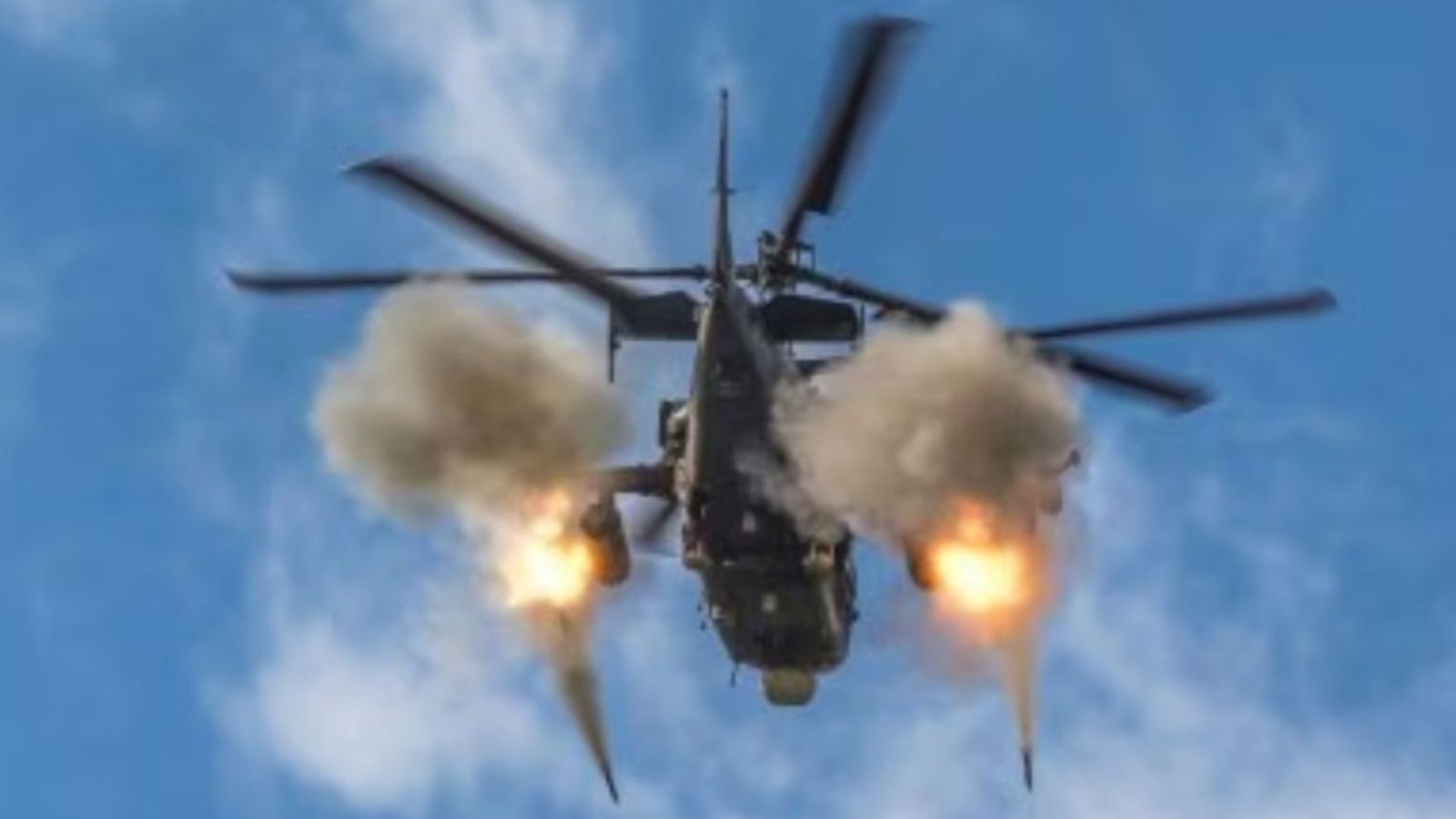
Donald Trump has framed a prospective round of negotiations as the absolute final opportunity for Iran to secure a diplomatic settlement and avert a catastrophic expansion of United States military intervention. This ultimatum arrives amid an escalating cycle of deterrence, retaliatory strikes, and a collapsing regional architecture that leaves very little room for diplomatic error.
Decades of diplomatic friction have brought Washington and Tehran to a razor-thin margin where miscalculation carries continental consequences. The current posture from the administration relies heavily on coercive diplomacy. Yet, treating negotiations as a terminal ultimatum ignores the structural inertia driving both states. Sanctions have failed to break the regime's ideological spine, and military strikes have only driven their nuclear infrastructure deeper underground, both literally and figuratively.
Understanding the gravity of this moment requires looking past the public rhetoric. We must examine the mechanical failures of past agreements, the internal political pressures bearing down on both capitals, and the silent ticking clocks that render every diplomatic handshake fragile.
The Anatomy of Coercive Diplomacy
Coercion works only when the target believes the alternative is total destruction and the reward for compliance is survivable. In the current dynamic, Tehran faces an administration that has repeatedly demonstrated a willingness to bypass traditional diplomatic channels in favor of kinetic action.
When Donald Trump declares these talks a final chance, he is applying maximum pressure designed to force a binary choice. Surrender the regional proxy network and nuclear enrichment capacity, or face compounding military consequences.
History shows this approach produces erratic results.
- Sanctions exhaustion: The Iranian economy has already absorbed decades of maximum pressure, forcing the state to build resilient gray-market smuggling networks that insulate the ruling elite from popular unrest.
- Deterrence failure: Striking proxy infrastructure in Iraq, Syria, or Yemen rarely stops secondary actors; it merely scatters them into more clandestine cells.
- Domestic posture: Iranian leadership cannot appear weak under foreign duress without risking internal collapse, making public compromise nearly impossible.
The paradox of maximum pressure is that it reduces the space for face-saving diplomacy. If Tehran accepts a deal under explicit military threat, the regime risks looking capitulatory to its hardline domestic constituencies, particularly the Islamic Revolutionary Guard Corps. If they walk away, they invite the very U.S. strikes Washington promises to unleash.
The Nuclear Escalation Trap
At the core of this standoff sits Iran's accelerated uranium enrichment program. The JCPOA is a ghost of the past, and monitoring capabilities have degraded significantly over the years.
Iran has crossed technical thresholds that were once considered red lines. They are enriching material to near-weapons-grade levels not necessarily because they have built a bomb, but because mastering the technology serves as a permanent insurance policy against regime change.
Washington views this capability through a strictly military lens. To the Pentagon, an enrichment facility is a target waiting for munitions. To Tehran, that same facility is a sovereign achievement purchased with blood, sanctions, and scientific endurance.
This perceptual gulf creates a dangerous feedback loop. Every time the U.S. threatens force to halt enrichment, Iran responds by spinning more advanced centrifuges to prove the threats are ineffective.
Why Traditional Deterrence Fails Here
Traditional Cold War deterrence relied on predictable actors operating within mutually understood frameworks of MAD. The current U.S.-Iran dynamic features asymmetric actors, deep ideological distrust, and third-party proxies that can trigger a regional war without direct orders from Tehran or Washington.
A miscalculated drone strike, a misidentified maritime vessel in the Persian Gulf, or a rogue rocket attack by a militia group can instantly override months of quiet back-channel diplomacy. The margin for error is measured in minutes, not months.
Regional Realities and Proxy Networks
You cannot separate the nuclear file from Iran's regional footprint. The Axis of Resistance—spanning Lebanon, Syria, Iraq, and Yemen—acts as Tehran's forward defense perimeter.
For years, Iran has used these proxies to project power far beyond its borders, bleeding American and allied interests without inviting a direct, full-scale invasion of the Iranian mainland.
Trump's framing of these talks implies that a comprehensive deal must encompass these non-state actors. Yet, asking Iran to dismantle its regional deterrence network is akin to asking a disarmed nation to hand over its conventional military.
- Hezbollah maintains a massive missile arsenal designed to deter Israeli or American intervention against Iran's nuclear sites.
- The Houthis control strategic shipping lanes in the Red Sea, demonstrating an ability to disrupt global commerce at will.
- Iraqi and Syrian militias provide logistical depth and territorial control along vital transit corridors.
Expectations that Tehran will trade these assets for economic relief misunderstand the foundational doctrine of the Islamic Republic. Forward defense is their primary shield. Without it, they feel completely exposed to Western regime change operations.
The Domestic Pressures Driving the White House
On the American side, the political calculus is equally complex. A foreign policy approach defined by strength and decisive action resonates with a domestic base tired of endless, inconclusive foreign entanglements.
By labeling these talks the final chance, the administration signals a departure from the perceived passivity of previous administrations. It projects executive authority and a refusal to be strung along by protracted diplomatic stalling tactics.
However, promising a final chance creates a severe credibility trap. If Iran calls the bluff, walks away from the table, and continues its enrichment activities, the administration faces an uncomfortable choice.
Either follow through with a major military campaign with unpredictable economic and human costs, or back down and absorb a significant public relations defeat.
Wars in the Middle East rarely adhere to campaign timelines or political speeches. A targeted strike can easily metastasize into a multi-front regional conflagration, spiking global energy prices, threatening shipping chokepoints like the Strait of Hormuz, and drawing in external powers like Russia and China.
The Illusion of a Clean Break
The fundamental flaw in treating diplomacy as a binary ultimatum is the assumption that foreign policy crises can be neatly resolved with a single signature or a decisive military blow.
Statecraft in the Middle East is an ongoing management of perpetual friction, not a puzzle with a neat solution. Even if a breakthrough occurs, the verification protocols required to ensure compliance would take years to negotiate and implement.
If these talks collapse, the region will not simply pause. It will accelerate into a darker phase of open confrontation where cyber warfare, proxy attrition, and direct kinetic exchanges become the baseline of interaction rather than the exception.
The ultimate tragedy of this moment is that both sides understand the catastrophic cost of failure, yet institutional momentum, pride, and domestic survival instincts continue to drag them toward the exact collision they both claim to want to avoid.