Social unrest across Europe in autumn 2026 is not a series of isolated street fights over fuel prices, school budgets, or coastal resorts. It is a structural collision between stagnant real wages, unaffordable housing, and governments trapped by debt or entrenched patronage.
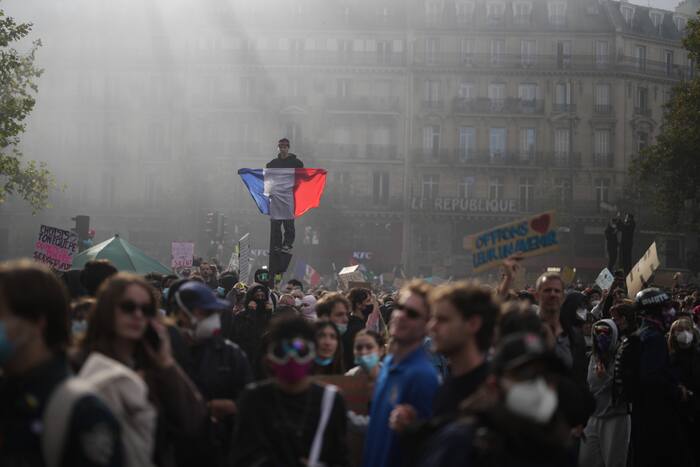
Walk through Paris during a November strike or watch demonstrators march in Tirana with pink flamingo cutouts, and the surface story looks chaotic. Students clash with police. Transit stops. Ministers warn of curfews or call in riot gear. Surface-level reporting treats these events like weather fronts passing over separate capitals. That misses the mechanics underneath. Discover more on a connected issue: this related article.
A French worker watching rent and groceries eat up paychecks while Paris argues over spending cuts faces a different political system than an Albanian student watching protected coastlines turn into luxury resorts. Yet both are reacting to the same arithmetic: the social contract is straining faster than state institutions can adjust.
http://googleusercontent.com/lmdx_content/NEbPtEPxQiftKTEKbljcLAHCoChvnmGpJCMANUnipBREGXZmDwFLHEFlIhiTEnyzqBaCbuyVhqJkVeQSpDcEzMvWJikbZnJddRQYnqcmglpsxQNFdlBKAMjDCRWpnjZPcNwpFqAMEIKVTYZpVaDggPMLHarUqJTVm6912 Further analysis by NPR explores similar perspectives on the subject.
Why Paris Turns Every Budget Fight Into Street Politics
France has a habit of turning fiscal math into existential conflict. That is not folklore; it is structural.
When public spending sits around 57 percent of gross domestic product and debt service climbs toward 91 billion euros in 2027, every budget draft looks like a threat to someone's livelihood. Prime Minister Sébastien Lecornu's government has run straight into that wall. Efforts to trim deficits—whether by touching pension rules, squeezing public pay, or holding back wage adjustments—trigger immediate pushback from unions, students, and retirees alike.
Look closely at what happened across September, October, and November 2026. High school and university students mobilized over overcrowded classrooms, admissions stress, and campus conditions. Trade unions—including the CGT—called mass days of action over purchasing power and wages, drawing hundreds of thousands into the streets. Even pensioners marched in Paris against proposed adjustments tied to the 2027 budget.
Critics of the street protests often argue that union resistance blocks overdue fiscal discipline. There is real weight to that argument. A state paying more to service debt than to fund core priorities eventually loses room to maneuver.
Still, blaming workers or students for resisting austerity gets cause and effect backward. Households have already absorbed years of cumulative price increases and stubborn inflation. When officials propose tightening belts while citizens feel their purchasing power already eroded, resistance is predictable.
A budget spreadsheet does not feel like an abstraction when fuel, groceries, and rent claim nearly every euro before the month ends.
What Albania's Flamingo Revolution Actually Exposes
In Tirana, the spark looked nothing like a French labor dispute. It started with coastal ecology and land rights.
Beginning in May 2026, demonstrations over planned high-end tourism developments around Sazan Island and the Narta lagoon—projects tied to Jared Kushner and backed by state approvals—gave rise to what became known as the Flamingo Revolution. Residents and environmental groups warned that protected wetlands and coastal land were being handed over to big-money developers with too little transparency.
Then the grievances merged. By October, university and high school students took up the banner, protesting poor campus conditions, tuition burdens, high living costs, and the feeling that young people have to leave the country just to build a normal life. Anti-corruption anger—already inflamed by political scandals and long-running frustration with Prime Minister Edi Rama's time in office—turned environmental defense into a broader revolt against state capture.
Here is the uncomfortable truth for Western capitals watching the Balkans: social unrest in Albania is not just a local governance failure. It is a mirror held up to how foreign capital interacts with weak institutions.
When outside investors arrive with mega-projects backed by fast-track legal frameworks or political muscle, local citizens see a shortcut around public accountability. Even if a project promises jobs or tourism revenue on paper, locals who have watched public assets privatized for years do not trust the math.
At the same time, opposition politics in Albania carries its own baggage. Many protesters distrust not only the ruling party, but also veteran opposition figures whose own past records are stained by corruption allegations or factionalism. Street anger grows sharper when citizens feel no clean alternative is waiting in the wings.
Housing and Education Are the Quiet Fault Lines
If you want to understand why demonstrations in Lisbon, Madrid, Brussels, Vienna, and Rome keep echoing one another, skip the slogans for a moment and look at two basic goods: shelter and schooling.
Across Europe, housing has shifted from a cyclical market issue into a generational bottleneck. European Union housing assessments have highlighted a severe mismatch between supply and demand in fast-growing cities and tourist hubs, leaving young adults, renters, and lower-income households paying a punishing share of income just to stay indoors. Tent encampments in Spanish and Portuguese cities are not theater; they are a visible symptom of a math problem that wages have failed to solve.
Education sits right next to housing on the grievance list. In Austria, thousands of students marched in Vienna against planned cuts to higher education and research funding. In Belgium, students took to the streets in Brussels and Liège over school conditions and rising study costs. In Spain, teachers walked out over pay and classroom strain.
| Country or Region | Immediate Flashpoint | Deeper Structural Strain |
|---|---|---|
| France | Wage disputes, pension adjustments, and student walkouts | High public debt, slow growth, and squeezed purchasing power |
| Albania | Coastal resort plans around Sazan and Narta, plus student marches | Perceived corruption, crony land deals, and youth out-migration |
| Spain and Portugal | Housing encampments and teacher strikes | Urban rental unaffordability, tourism pressure, and low entry wages |
| Belgium and Austria | University and school funding protests | Tighter public budgets colliding with rising education and living costs |
| Italy | General strikes and weekend street mobilizations | Precarious work, stagnant real pay, and strain on public services |
Some policymakers argue that housing shortages cannot be fixed overnight because construction takes years, permitting is slow, and municipal budgets are stretched. That is fair as a logistical point. Building homes takes time.
Yet governments often compound the delay by treating short-term rentals, vacant urban property, and public land sales as secondary to headline growth numbers. When young people see luxury units or resort complexes moving ahead while basic student housing and starter apartments stay out of reach, patience runs out fast.
Why Street Mobilization Often Outpaces Policy Results
There is a hard strategic gap in almost every European protest wave right now. Marching fills squares. Passing laws takes leverage.
Consider a hypothetical example of a student union organizing a massive march outside a ministry to demand lower dorm fees and more teaching assistants. On the day of the rally, the crowd is huge and the television footage is dramatic. Two weeks later, when the finance committee finalizes the annual budget line, the students are back in lecture halls—and the funding line stays untouched because no binding vote or coalition deadline was tied to the demand.
Real-world organizers across Europe have started noticing that gap. Where protests connect directly to a specific legislative vote, a union contract negotiation, or an election calendar, officials have to answer. Where protests remain a diffuse venting of frustration without concrete policy levers, governments often ride them out with a mix of police containment and vague promises of future talks.
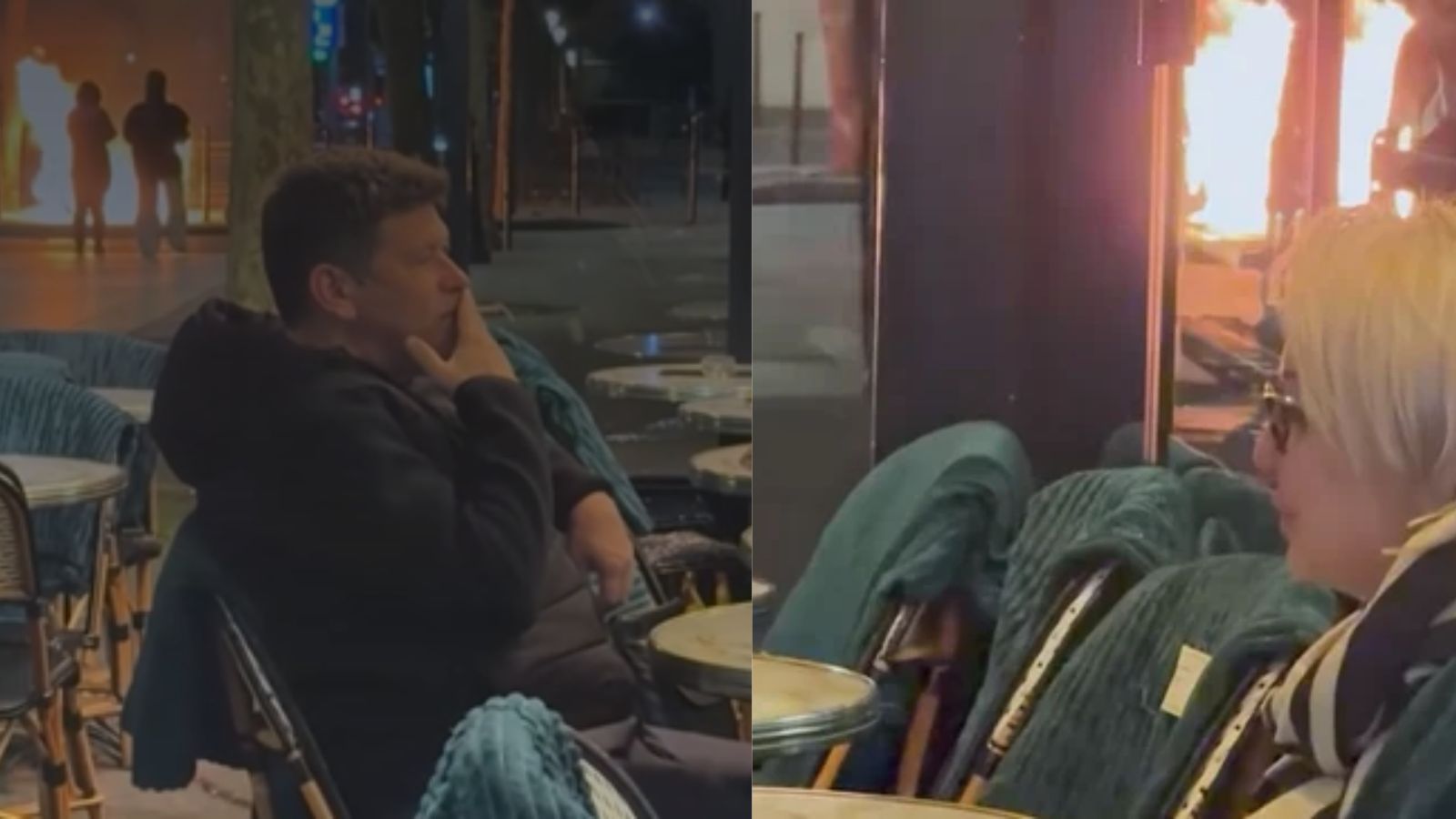
Violence on the margins makes that problem worse for everyone. When a small fraction of protesters or masked agitators burns buildings, trashes shopfronts, or hurls fireworks, governments get an easy excuse to pivot the entire national conversation from wages, housing, and corruption to public order. Suddenly the debate is about curfews and riot gear instead of why a full-time worker cannot afford a two-bedroom flat.
What Investors, Officials, and Citizens Miss Next
For anyone tracking social unrest across Europe—whether an analyst pricing sovereign risk, a mayor trying to keep a city calm, or a citizen trying to plan a career—three blind spots stand out.
First, street calm is not the same as economic stability. A quiet Tuesday after a big strike does not mean the underlying tension has gone away. If real wages lag inflation and housing costs keep climbing, the grievance simply waits for the next spark.
Second, generational friction is reshaping coalition politics. Younger Europeans are bearing the brunt of housing scarcity, unstable work, and frayed public services, while older voters often carry heavier weight in elections and pension debates. Any leader who ignores that divide is inviting political shocks at the ballot box as well as on the pavement.
Third, quick fixes rarely hold. Subsidizing a single fuel bill or pausing a controversial project for a few weeks may cool tempers briefly without fixing bloated debt service, sluggish housing supply, or weak rule of law. Real stability requires slower, harder work: building more affordable housing where jobs actually exist, reforming tax and spending systems honestly, and enforcing transparent rules on public contracts.
Europe's streets are not erupting by accident. They are sending an invoice for years of deferred choices—and the bill is coming due in every capital that pretends business as usual can hold.