The grand social contract offered to modern urban youth has broken down entirely. For generations, the formula was straightforward: study relentlessly, secure a corporate seat, endure punishing overtime hours, and reap the rewards of middle-class stability. Today, a growing subsegment of China's unemployed young adults has discarded that formula. They have adopted a starkly different survival rhythm known as the wall-hanging lifestyle, where individuals take on sporadic day labor just long enough to fund three days of absolute withdrawal.
This behavior is not a quirky generational phase or a transient lifestyle choice. It represents a profound structural rejection of an economic landscape that demands maximum output while offering minimal security. To understand why millions of educated young people are retreating into 24-hour billiards halls, public libraries, and makeshift co-working spaces to hide their joblessness, one must examine the intersection of soaring youth unemployment and a hyper-competitive corporate ecosystem that has priced young aspirants out of traditional milestones.
The Anatomy of Wall-Hanging Culture
The term wall-hanging originates from traditional objects left unused and out of sight on a wall, but its modern application describes young people sustaining themselves on micro-incomes. It is the evolutionary descendant of the Sanhe god phenomenon from previous years, where migrant laborers survived on single-day gigs before resting until funds evaporated.
The primary difference today lies in who is hanging on the wall. These are frequently university graduates with degrees in economics, management, and technology. They spent their formative years preparing for white-collar careers, only to graduate into an economy characterized by severe corporate contraction and intense competition for entry-level positions.
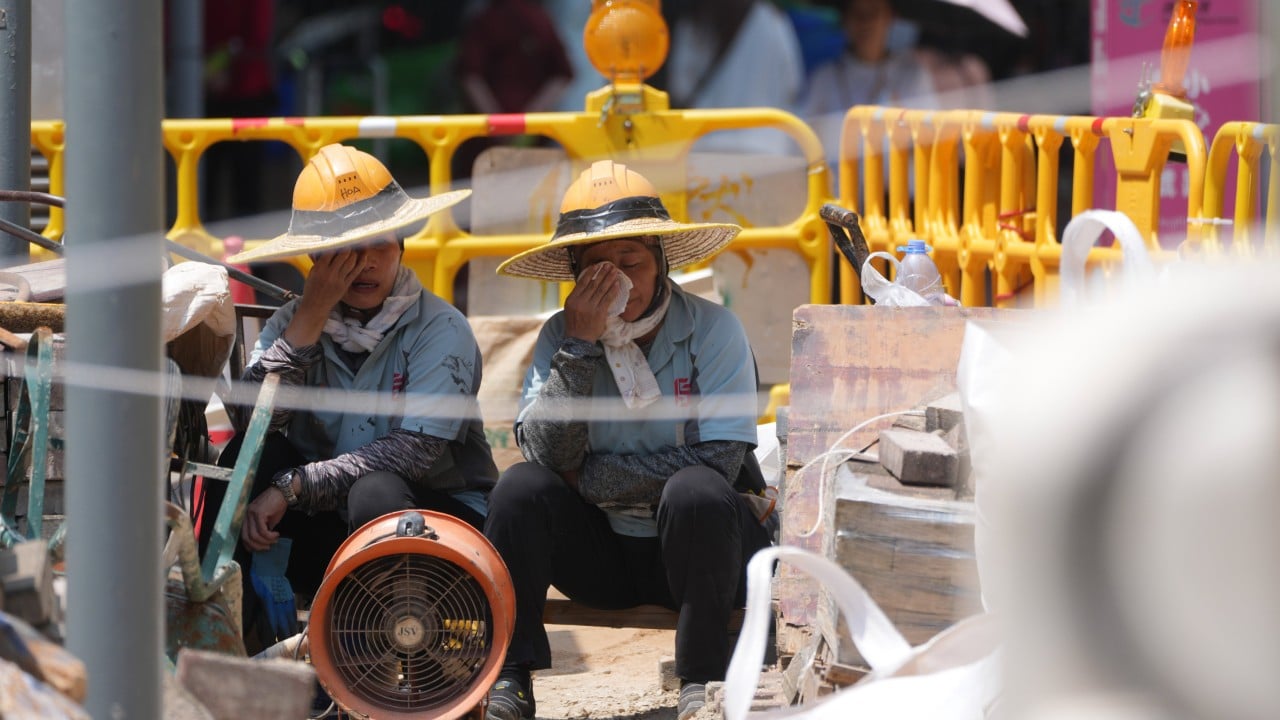
When thousands of applicants chase a single administrative or civil service opening, rejection becomes the statistical norm rather than the exception. After sending out hundreds of resumes without receiving a single callback, the psychological toll sets in. Rent payments loom, family expectations create crushing guilt, and the energy required to maintain a job search depletes entirely. Working a single shift as a delivery helper or warehouse hand provides just enough capital for instant noodles and a cheap night at a 24-hour venue, buying three days of immunity from the relentless pressure to succeed.
The Economics Behind the Exhaustion
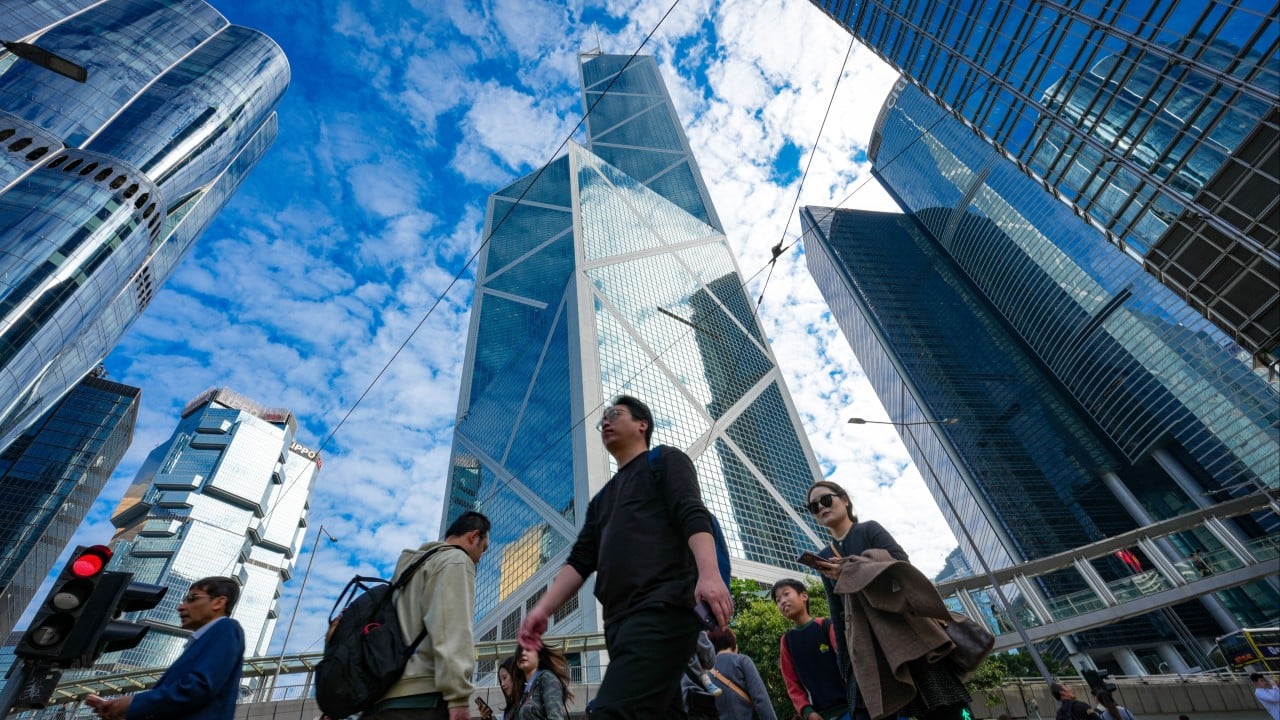
Economic deceleration and structural shifts in major urban centers like Shenzhen, Shanghai, and Beijing have transformed the job market into a pressure cooker. The urban jobless rate for young adults has repeatedly hit troubling double-digit highs.
At the same time, corporations that survived the economic tightening often rely on grueling schedules, frequently referred to as the notorious nine-to-nine, six-days-a-week routine. Employees inside these systems face constant anxiety over layoffs, while those outside struggle to cross the threshold at all.
For the wall-hanging youth, the math simply does not close. When entry-level salaries fail to cover the exorbitant cost of urban housing, and when homeownership remains an impossible mirage, the incentive to sacrifice one's physical and mental health evaporates. Why endure twelve-hour workdays for an employer when the reward is financial stagnation? The decision to work one day and lie flat for three is a rational, albeit desperate, calculation to preserve sanity in a system where traditional upward mobility feels structurally blocked.
The Psychological Theater of Pretend Employment
For many young individuals, the shame of unemployment is so acute that they construct elaborate daily routines simply to maintain appearances before their families and peers. They dress in business casual attire, pack empty laptops, and commute to public libraries or commercial cafes.
This phenomenon of pretending to work serves a dual purpose. Externally, it shields parents from anxiety and protects the young person from social stigma. Internally, it imposes a semblance of discipline on lives that have lost their anchor. Sitting in a quiet corner of a municipal library for eight hours browsing job portals creates a comforting illusion of productivity, even as interview invitations fail to arrive.
Yet, this theater exacts a heavy toll. The physical pain of prolonged sedentary isolation—often described as body aches from constant screen gazing and nervous exhaustion—mirrors the deep systemic malaise facing the broader labor force. Society's demand for relentless productivity clashes directly with the reality of an economy that cannot absorb its most educated cohort.
Looking Beyond the Surface Narrative
Official commentary often dismisses these coping mechanisms as a lack of resilience or an unwillingness to embrace traditional work ethics. That critique misses the structural reality. When the foundational promise of economic reward for diligent labor is severed, individual behavior shifts accordingly.
Solving the wall-hanging crisis requires far more than motivational rhetoric or online censorship of resignation terminology. It demands structural labor reforms, realistic avenues for career entry, and a recalibration of urban living costs that have locked a generation out of basic security. Until the fundamental economic disconnect between education, labor, and compensation is repaired, young workers will continue to find quiet, minimalist ways to step off the treadmill entirely, choosing the wall over a race they believe cannot be won