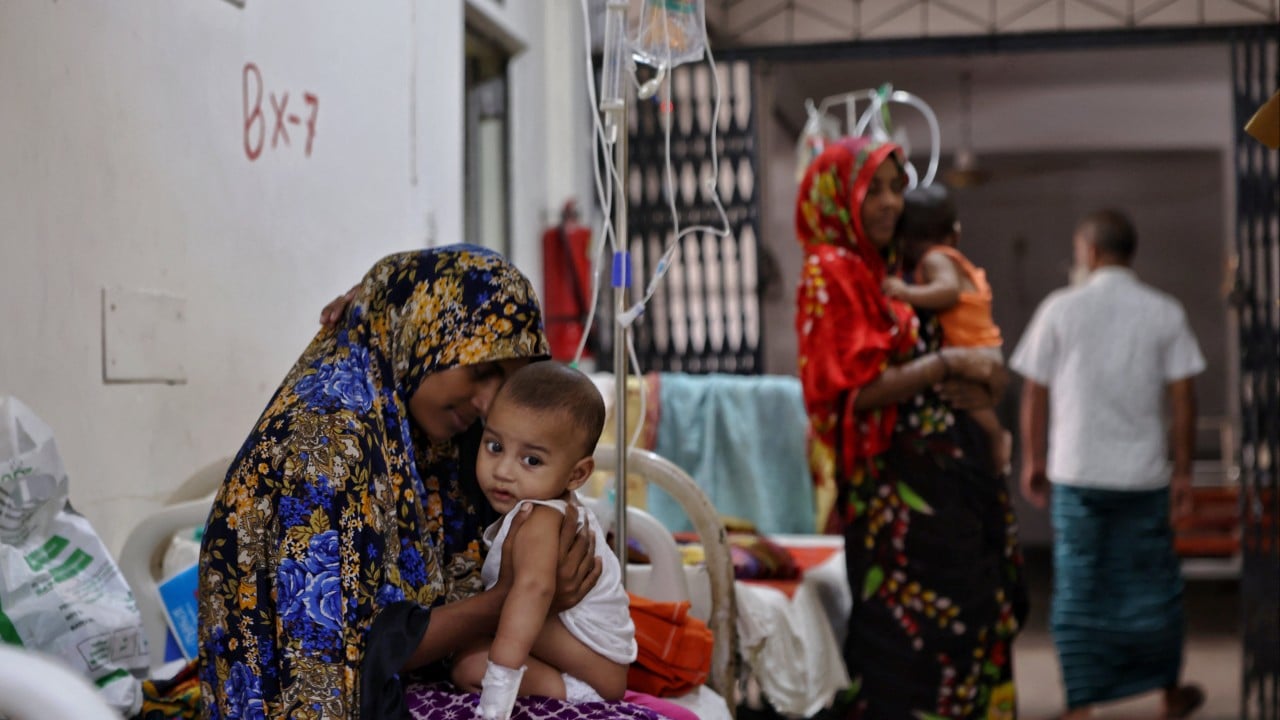
More than 1,000 children have died in Bangladesh during the worst measles epidemic the country has faced in decades. Since March, over 187,000 infections have torn through densely populated urban centers and rural districts alike, overwhelming pediatric wards where desperate parents queue for hours. At the Bangladesh Shishu Hospital and Institute in Dhaka, facilities designed to accommodate just over a thousand patients are currently treating more than double that number. Cots share space in hallways. Oxygen lines run low. Exhausted clinicians watch helplessly as severe respiratory distress and acute malnutrition compound an entirely preventable tragedy.
Public health disasters of this magnitude rarely materialize overnight. They are constructed slowly through systemic failures, political disruption, and administrative neglect. To understand how a nation that once neared measles elimination stumbled into catastrophe, we have to look past the grim daily tallies and examine the breakdown of state infrastructure.
The Cost of Political Upheaval
The seeds of this epidemic were sown during the severe political turmoil that unseated former prime minister Sheikh Hasina. Civil unrest paralyzed administrative machinery across the country through late 2024 and 2025. A massive nationwide measles-rubella immunization campaign scheduled for that window was repeatedly delayed and ultimately shelved. Periodic catch-up campaigns are the backbone of any immunization strategy, acting as an essential sweep to catch children missed by routine infant inoculation. When those campaigns vanish, a dangerous cohort of unprotected children accumulates month after month.
By the time the interim administration and subsequent health ministry officials attempted to reorient procurement policies, supply chains had fractured. Shifting bureaucratic oversight triggered severe shortages of critical medical supplies, including the pediatric saline and specialized therapeutics required to manage severe measles complications. Routine immunization coverage, which hovered near optimal levels earlier in the decade, plummeted below 60 percent in many regions by late 2025. Herd immunity evaporated.
Malnutrition and Viral Vulnerability
Measles is rarely a solitary killer in low-resource environments. The virus attacks the immune system's memory cells, effectively wiping out prior defenses against other pathogens and leaving patients vulnerable to fatal bouts of pneumonia and severe diarrhea. In Bangladesh, this biological vulnerability collided head-on with chronic childhood malnutrition.
Children arriving at urban hospitals are frequently underweight and immunologically compromised. Without adequate nutritional reserves, their bodies cannot withstand the metabolic shock of a high fever and widespread rash. Pediatricians note that a significant proportion of the fatalities occur among infants under nine months old—children who are biologically too young to receive the standard first dose of the measles-mumps-rubella vaccine, relying entirely on community-wide herd immunity to stay safe. When community coverage drops, these infants become sitting ducks.
The Logistics of Catch-Up
Health authorities have since scrambled to reverse the tide, launching emergency mass vaccination drives that have delivered doses to millions of children. Mobile medical teams navigate congested neighborhoods and remote districts, searching for pockets of unprotected youth. Yet vaccinating children during an active, explosive outbreak is akin to building a firebreak while the forest is already ablaze.
Logistical hurdles complicate every phase of the response. Vaccine cold-chain storage must be maintained reliably in tropical heat and amid sporadic electrical grids. Misinformation and fear, fueled by rumors circulating through digital channels, have caused some parents to shun immunization posts, fearing adverse reactions or distrusting government interventions. Meanwhile, health facilities face simultaneous surges of other vector-borne diseases, such as dengue fever, stretching clinical staff past their breaking points. Beds meant for fifty patients now hold ten times that number, turning tertiary care centers into triage units where doctors must choose which critical child receives scarce supportive care.
The catastrophe in Bangladesh serves as a brutal reminder of the fragility inherent in global disease control. Vaccines remain cheap, stable tools, but their power is entirely dependent on political stability, unbroken supply chains, and public trust. When those elements fracture, a single missed campaign is enough to let an ancient virus reclaim thousands of young lives.


