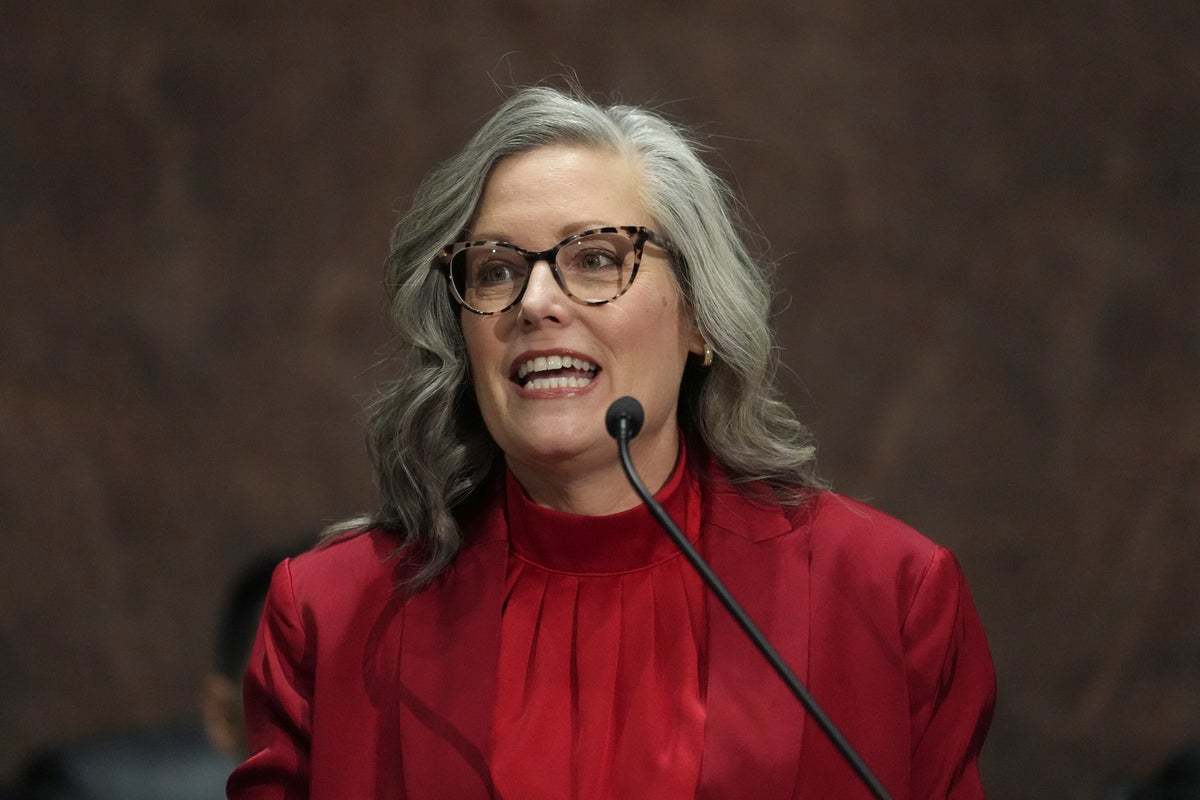
State prosecutors officially declined to file criminal charges against Arizona Governor Katie Hobbs following a sweeping two-year investigation into allegations that her administration participated in a pay-to-play scheme with a major foster group home operator. The probe, launched after investigative reports revealed that Sunshine Residential Homes and its associated entities funneled hundreds of thousands of dollars into Democratic campaign funds and the governor's inaugural committee prior to receiving a lucrative rate increase, concluded without uncovering the strict legal standard of a quid pro quo required for a bribery conviction. Yet clearing a politician of a specific criminal statute does not mean the underlying mechanics of the arrangement look clean to the public eye.
The closure of the Attorney General's inquiry stops short of resolving public unease over how private wealth influences state contracting. State investigators sifted through more than a terabyte of data, including upwards of 100,000 documents, state emails, bank records, and text messages. They found mountains of campaign contributions alongside subsequent policy decisions that benefited the donor, but they did not find the smoking-gun memo or recorded phone call explicitly linking a dollar amount to a state contract adjustment. Under modern anti-corruption jurisprudence, that evidentiary gap remains wide enough to drive a fleet of campaign buses through.
The Anatomy of a Political Firestorm
The controversy centered on Sunshine Residential Homes, a prominent operator of foster group homes in Arizona. In the months leading up to the closely contested 2022 gubernatorial election, the firm and its founder poured hundreds of thousands of dollars into the state Democratic Party and allied political funds. Shortly after Katie Hobbs took office, the Department of Child Safety approved a substantial rate increase for the company, elevating the daily bed rates significantly at a time when other providers were fighting for similar adjustments.
To critics, the sequence of events looked like a textbook transactional exchange. Money flowed into political coffers, and state bureaucrats responded with favorable administrative outcomes. Opponents weaponized the narrative immediately, turning the investigation into a central fixture of political opposition ads and legislative hearings.
However, proving bribery in a court of law requires far more than suspicious timing and overlapping check stubs. Prosecutors must demonstrate a direct, intentional quid pro quo agreement where a specific official act is traded for a specific financial benefit. Investigators noted that agency officials defended the rate hike by pointing to severe bed shortages, federal reimbursement disparities, and the genuine risk that providers would abandon the state child welfare system altogether. Because administrative leadership maintained that the governor's office did not direct or interfere in the rate-setting mechanics, the criminal case collapsed under the weight of legal ambiguity.
The Legal High Bar of Public Corruption
Anti-corruption laws are notoriously difficult to enforce when campaign finance laws permit massive inflows of cash in the first place. Federal and state courts have repeatedly raised the bar for what constitutes illegal bribery, ruling that routine political contributions followed by favorable government decisions are an inescapable byproduct of a campaign ecosystem financed by private donors.
If every politician who received money from an industry and later enacted policy affecting that industry faced indictment, the courts would overflow. The law protects politicians who operate within the gray boundaries of legal fundraising. Sunshine Residential and its principals distributed over half a million dollars across various Democratic accounts, the governor's campaign, and inaugural funds during the relevant window. Legally, those donations are categorized as protected political speech and participation. Practically, they grant donors an open line of communication that ordinary taxpayers and non-contributing service providers never manage to secure.
Attorney General Kris Mayes acknowledged this inherent contradiction when closing the file. While formally clearing the governor of criminal culpability, the prosecution team pointedly noted that the episode exposed an urgent need for structural legislative reform. When state contractors can inject massive sums into political accounts while negotiating rates with the very agencies overseen by those politicians, public trust takes a permanent hit regardless of a prosecutor's final charging decision.
Lingering Questions and Divided Oversight
The conclusion of the Attorney General's review does not mean the entire apparatus of the state has finished looking into the matter. A separate inquiry led by the Maricopa County Attorney's Office and the state auditor general remains active. Investigators in those offices are evaluating different facets of state spending, administrative oversight, and the broader ecosystem surrounding group home contracts.
Furthermore, the operational history of Sunshine Residential has faced intense scrutiny on multiple fronts, including child safety concerns and internal agency management that stretch far beyond simple campaign spreadsheets. Group homes operating under state oversight handle vulnerable populations where administrative decisions carry immediate, human consequences. When financial contributions and state payment rates share the same news cycle, the focus shifts away from child welfare outcomes and onto the preservation of political optics.
The legislative branch has shown little bipartisan appetite to fix the loopholes that make these controversies possible. Past attempts to mandate strict disclosure walls or ban donations from active state contractors during procurement cycles have routinely stalled in the statehouse. Lawmakers benefit too much from the current fundraising model to dismantle it voluntarily.
As political campaigns gear up for upcoming electoral cycles, the shadow of the Sunshine Residential investigation will persist. Governor Hobbs escapes the immediate threat of a criminal record, but the affair leaves behind a clear blueprint of how private money and public policy intersect in modern state governance without ever crossing the threshold of a felony. The system functioned exactly as designed by the letter of the law, which remains the most damning indictment of all.