The wind in Malta smells of salt, diesel, and old stone. But on the afternoon the courtroom doors swung open, it smelled of ash.
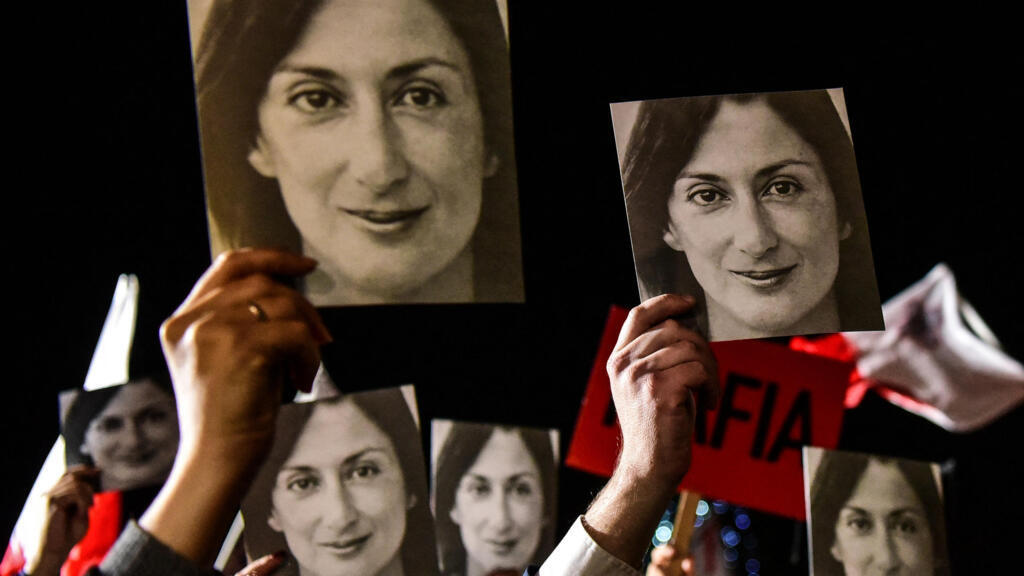
For years, I have walked past the makeshift shrine squeezed against the base of the Great Siege Monument in Valletta. Photographs of Daphne Caruana Galizia curl at the edges, beaten by Mediterranean suns and soaked by winter rains. Flowers arrive fresh and wither into dust within days. Candles burn down to waxy pools. It is a monument born of a desperate civic reflex: a community trying to hold onto the physical presence of a woman who was literally blown out of existence on a quiet October afternoon.
When the news broke that Yorgen Fenech had been acquitted—or rather, that the lengthy legal saga had reached its devastating, hollow zenith—the silence on the island was heavy. It was not the silence of peace. It was the silence of a held breath that has lasted half a decade.
Justice, we are told, is a blindfolded lady holding scales. But in small island nations where political power and business empires sleep in the same bed, the scales often feel rigged by invisible hands.
To understand why this moment sent a tremor through every newsroom from Lisbon to Helsinki, you have to look beyond the cold legal briefs. You have to look at what happens when a country tries to swallow an earthquake and pretend the ground is still flat.
Daphne did not write from a grand ivory tower. She wrote from a cluttered home office in Bidnija, surrounded by the hum of a desktop computer and the constant pressure of a ringing phone. She was a woman who looked into the murky machinery of offshore accounts, secret government kickbacks, and political corruption, and simply wrote down what she saw. She named names. She connected dots that powerful men spent millions trying to keep scattered.
(Note: When I imagine the final hours before her car exploded, I am leaning on verified investigative timelines—the rental car, the short drive from her driveway, the heavy stillness of the country road.)
That drive ended in a flash of orange fire.
Yet, the car bomb was supposed to be a full stop. It was designed to be the final word in a language of intimidation. Instead, it became an opening statement. Thousands of pages of her unpolished blog posts, her frantic notes, and her sharp-eyed columns suddenly became the syllabus for a masterclass in modern investigative journalism.
When the plot unraveled—when the middleman confessed, when the businessman with the luxury yacht was arrested, when ministers resigned and prime ministers tumbled—we were told that the system worked. That was the official script. The institutions, the politicians insisted, were robust enough to self-correct.
And then came the legal labyrinth.
Trials stalled. Preliminary hearings stretched across years like desert highways. Lawyers filed motions that multiplied like dust in the wind. The gears of justice did not grind; they rusted.
When a court delivers a decision that leaves the public gasping, the failure is rarely just about a single verdict. It is about a profound, systemic erosion of belief. If a journalist can be assassinated on a public road for documenting the nexus of greed and governance, and years later the architectural masterminds of that assassination walk away or evade definitive accountability, the message echoes across every corridor of power.
It whispers to the next young reporter holding a freedom of information request: Is it worth it?
It whispers to the citizen standing in the voting booth: Does your voice actually matter against the weight of unchecked capital?
This is the invisible stake of the Daphne Caruana Galizia case. It is not merely a Maltese story. It is a stress test for modern democracy.
Across the globe, the playbook for silencing inconvenient truth-tellers has evolved. Dictators and corrupt elites no longer need to rely exclusively on midnight knocks. They use SLAPPs—strategic lawsuits against public participation—to drain newsrooms dry. They use coordinated digital smear campaigns to paint truth as bias. They buy influence, build monopolies, and weaponize legal complexity to drag proceedings out until the public simply forgets, exhausted by the sheer fatigue of outrage.
Fatigue is the weapon of choice for the corrupt.
But down at the Valletta monument, the flowers keep appearing.
I watched an elderly man stop there last week. He adjusted a fading photograph with trembling fingers, placed a fresh white rose beside the glass, and whispered something to the wind. He did not look like a revolutionary. He looked like someone who simply refused to forget.
That is the flaw in the executioner's logic. Violence can silence a voice, but it cannot recall the words once they are read by thousands of minds. Bureaucracy can drag out a trial, but it cannot legislate away the collective memory of a populace that watched their country's soul get dragged through the mud of offshore secrecy.
The verdict in the courtroom is a legal milestone, but it is not the end of the ledger.
Consider what happens next: the international watchdogs will issue reports. European parliaments will pass resolutions. Editors will write editorials about the fragility of the press.
Yet the true battleground remains right there on the pavement of the island nation, where the ink of a murdered woman continues to stain the conscience of a continent. The case is closed on paper, but the question remains wide open, hanging in the salt air, waiting for an answer that only time and relentless truth can provide.


