The Kinetic-Informational Paradox
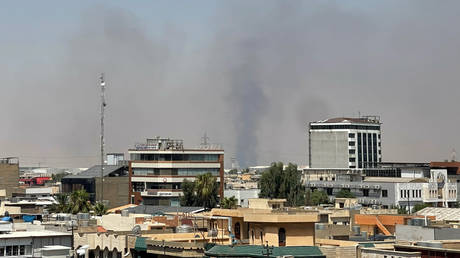
Military doctrine dictates that air defense systems protect physical assets, but for rentier economies reliant on foreign capital and specialized labor, information containment is as critical as missile interception. When kinetic strikes land near major commercial centers, the primary economic threat is not physical destruction—which is often minimal due to advanced air defense—but rather narrative volatility. Narrative volatility alters perception of risk, driving up sovereign debt yields, spiking maritime insurance premiums, and triggering capital flight.
The reaction of Gulf Cooperation Council (GCC) state apparatuses to military escalation reveals a structured strategy to suppress visual proof of strike impacts. More than 1,000 detentions recorded across the region do not represent arbitrary enforcement. They reflect an operational effort to reduce narrative volatility by increasing the cost of digital dissemination.
[ Strike Event ] ---> [ Visual Capture ] ---> [ Unfiltered Upload ]
                              |
                     (Enforcement Gate)
                              |
        +---------------------+---------------------+
        |                                           |
[ Criminalization ]                         [ System Suppression ]
  * 1,000+ Detentions                         * Direct Phone Audits
  * Revocation of Citizenship                 * Platform Takedowns
  * Expedited Prosecution                     * Foreign National Deportation
        |                                           |
        +---------------------+---------------------+
                              |
                 [ Strategic Outcome ]
             * Controlled Information Vector
             * Mitigation of Risk Premiums
             * Insulation of Brand Value
The Three Pillars of Information Containment
States manage public narrative using a three-part framework designed to raise the friction of transmitting real-time operational data.
                  +-----------------------------------+
                  |   NARRATIVE CONTROL ARCHITECTURE  |
                  +-----------------------------------+
                                    |
         +--------------------------+--------------------------+
         |                          |                          |
         v                          v                          v
+------------------+       +------------------+       +------------------+
|  1. LEGAL ENFORCEMENT   |       | 2. AUDIT MECHANISMS |       | 3. CITIZENSHIP RECLASSIFICATION |
| - Broad Cybercrime Laws|       | - Mobile Phone Searches |       | - Denaturalization Risk |
| - Expedited Trials     |       | - Physical Checkpoints  |       | - Extralegal Sanctions   |
| - High Financial Fines |       | - Self-Censorship Shift |       | - Asymmetrical Deterrence|
+------------------+       +------------------+       +------------------+
1. Statutory Criminalization of Visual Data
Governments use cybercrime and national security statutes to penalize the creation and sharing of unverified visual media. Broad statutory phrasing—such as "spreading rumors," "harming national security," or "disseminating misleading information"—enables state authorities to classify authentic imagery of missile impacts alongside altered media.
- Prosecutorial Speed: Cases are routed through specialized state security prosecution units or fast-tracked trials.
- Broad Liability: Legal liability extends beyond primary content creators to individuals who forward, repost, or host content on peer-to-peer platforms.
- Financial & Freedom Penalties: Convictions carry severe consequences, including multi-year prison sentences and substantial financial fines designed to outweigh the personal incentive to post.
2. Physical and Digital Audit Mechanisms
Statutory measures are enforced through active digital surveillance and physical spot-checks. Security personnel conduct device inspections at checkpoints and transit hubs, searching for conflict photos or videos.
This intervention targets two groups differently:
- Expatriate Labor Force: Non-citizens make up a majority of the workforce in several GCC states. For these workers, a phone inspection that reveals unauthorized imagery carries risks of immediate employment termination, fine, and deportation. This structural risk leads to high levels of self-censorship.
- Domestic Population: For citizens, enforcement relies on social pressure, threat of prosecution, and public warnings from national security agencies against aiding adversary information campaigns.
3. Citizenship Reclassification as Deterrence
Denaturalization functions as an asymmetrical legal sanction. In states like Kuwait and Bahrain, revoking citizenship converts a citizen into a stateless person, stripping them of access to housing, healthcare, state employment, and capital access.
Threatening citizens with denaturalization changes the personal risk equation. Expressing sympathy toward an adversary or publishing footage that contradicts state lines carries consequences that extend beyond standard judicial penalties to systemic economic exile.
Structural Comparison of State Enforcement Frameworks
The execution of information control varies across regional jurisdictions based on demographic makeup and legal structures:
| Jurisdiction | Primary Legal Tool | Enforced Mechanism | Dominant Vulnerability Target |
|---|---|---|---|
| United Arab Emirates | Anti-Cybercrime Law (Decree-Law No. 34) | Expedited prosecution, electronic monitoring | Commercial reputation, tourism, expatriate business sector |
| Kuwait | National Security & Emergency Decrees | Citizenship revocation, pre-trial detention | Public dissent, political opposition, critical media |
| Bahrain | Counter-Terrorism Legislation | Mass arrests, travel bans, nationality stripping | Political opposition, domestic cross-border sympathy |
| Qatar | Prevention of Cybercrimes Law | Targeted detentions, localized phone audits | Foreign labor communication channels |
The Economics of Narrative Insulation
Gulf economies rely heavily on their reputation as safe, stable havens to attract foreign direct investment (FDI) and maintain regional logistics hubs. Visual documentation of incoming strikes disrupts this economic model through three distinct transmission mechanisms:
                  +-----------------------------------+
                  |    CAPITAL DISTORTION DYNAMICS    |
                  +-----------------------------------+
                                    |
         +--------------------------+--------------------------+
         |                          |                          |
         v                          v                          v
+------------------+       +------------------+       +------------------+
|    INSURANCE     |       |     CAPITAL      |       |    EXPATRIATE    |
|   RE-RATING      |       |    RETRENCHMENT  |       |   RE-ALLOCATION  |
| - Hull/War Risks |       | - Equity Volatility|     | - Talent Flight  |
| - Higher Freight |       | - FDI Delay      |       | - Premium Costs  |
+------------------+       +------------------+       +------------------+
Insurance Re-rating and Logistics Costs
Maritime war risk premiums and aviation insurance rely on risk assessments of regional operational safety. Real-time footage showing smoke plumes over logistics corridors or commercial ports provides insurance underwriters with immediate grounds to adjust risk models. This leads to higher war-risk surcharges, elevated freight rates, and increased operating costs for regional transport networks.
Capital Allocation and Foreign Investment
FDI flows rely on predictable operating environments. Visual media showing structural damage or military activity directly targets the positioning of cities like Dubai and Doha as stable commercial zones insulated from regional instability. Controlling visual information helps slow down capital reallocation while air defense networks intercept incoming threats.
Labor Market Stability
The region's economic model relies on skilled foreign workers and multinational corporations. Unfiltered media highlighting military risks can trigger corporate duty-of-care protocols, leading to staff relocations, remote work mandates, and demands for higher risk pay. By restricting the spread of striking imagery, states work to preserve normal commercial activity and prevent corporate departures.
Strategic Limits of Narrative Suppression
While information control helps protect commercial confidence in the short term, it creates long-term structural vulnerabilities:
- Information Asymmetry: Systematic suppression of open-source intelligence creates a data vacuum. Institutional investors, unable to verify real-world conditions on the ground, often default to worst-case risk models. This can drive capital away faster than transparent, verified reporting would.
- Erosion of Institutional Trust: Aggressive policing of digital channels erodes trust in official communications. When populations learn that state media underreports kinetic events, they turn to encrypted, unverified off-platform networks, making them more vulnerable to coordinated foreign disinformation.
- Operational Friction: Conducting frequent phone searches, making mass detentions, and monitoring digital networks demands significant state resources. These actions create friction within transport hubs, reduce workforce productivity, and strain relations with origin countries of foreign labor.
Operational Execution for Corporate Risk Functions
Enterprise risk managers, regional security directors, and macro strategists operating within the GCC must update their risk models to adapt to state-managed narrative environments:
- Re-calibrate Early Warning Indicators: Do not rely on local social media channels or regional news feeds as primary indicators of kinetic events. Track alternative data points, such as localized GPS interference, altered air traffic patterns, commercial shipping delays, and changes in war-risk insurance rates.
- Establish Clear Employee Compliance Protocols: Implement clear corporate policies forbidding employees from capturing, storing, or sharing footage of military installations, defense activities, or impact sites. Make sure all foreign staff understand local cybercrime laws to avoid arrests and legal exposure.
- Separate Physical Security from Operational Continuity: Evaluate physical safety based on technical air defense capability and site proximity, independently of state narrative control. Treat information suppression as a sovereign economic stabilization tool rather than a signal of actual physical risk.