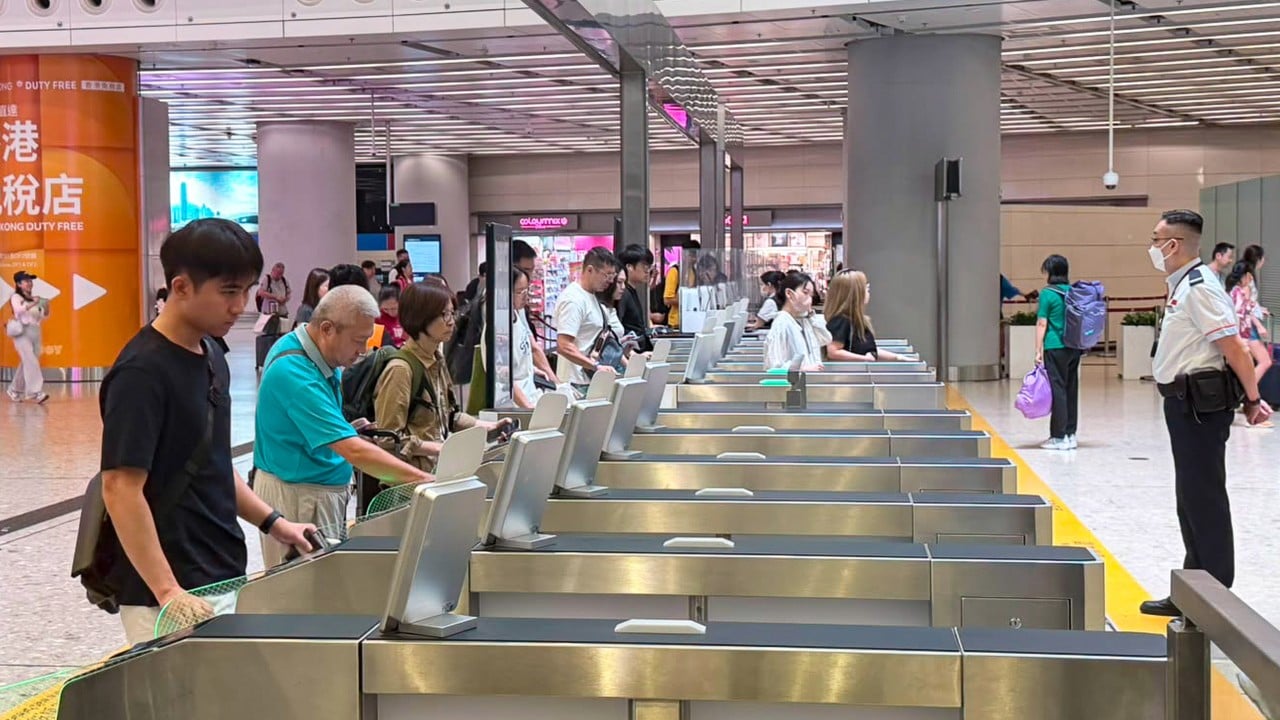
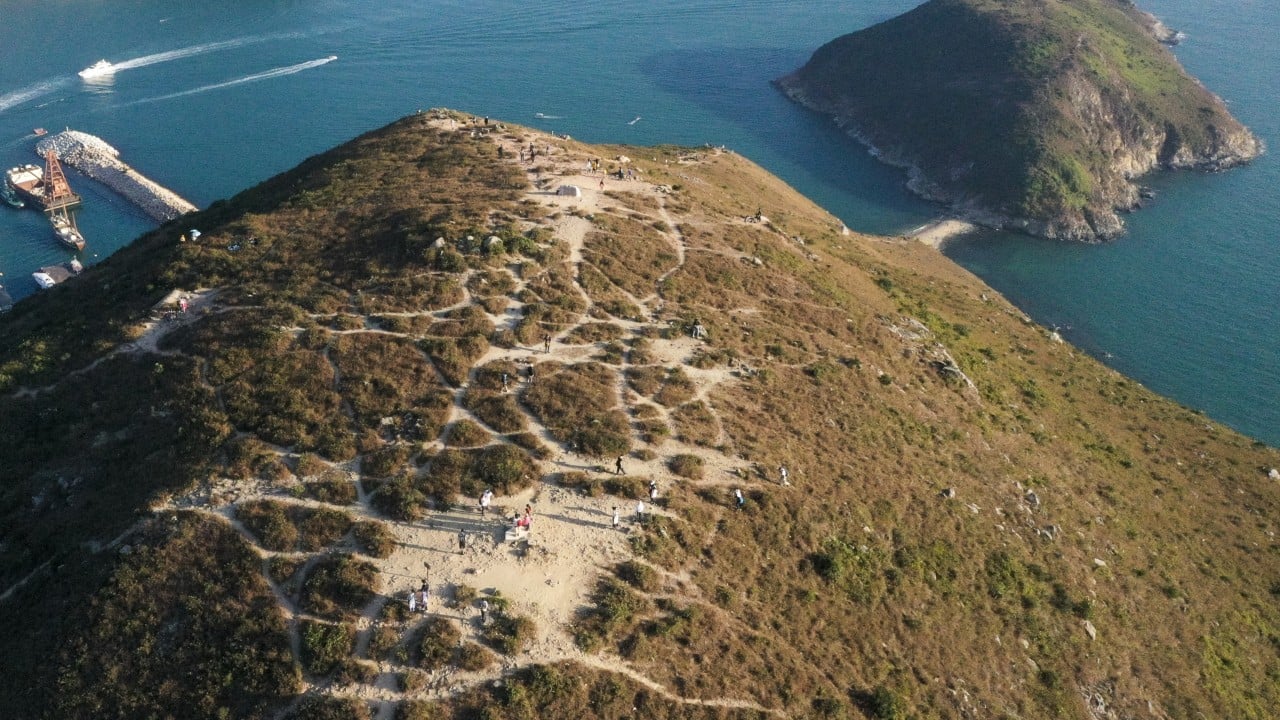
When Mount Anak Krakatau decides to clear its throat, air traffic across Southeast Asia pays the price. A sudden surge in volcanic activity sent ash plumes soaring up to 50,000 feet, triggering emergency closures at Soekarno-Hatta International Airport and forcing multiple carriers to cancel hundreds of flights. If you've ever found yourself stranded on a terminal floor staring at a wall of blinking cancellation notices, you know how quickly a dream getaway turns into a logistical nightmare.
The reality of traveling through the Pacific Ring of Fire is that nature rarely schedules its interruptions. Understanding how to handle these sudden shutdowns can save you hours of panic and hundreds of dollars in unexpected expenses.
The Scale of the Disruption
Jet engines and volcanic glass do not mix. When an eruption pumps millions of tons of pulverized rock and sharp minerals into the atmosphere, airlines ground their fleets instantly. A microscopic glass particle melts inside a jet turbine, cools, and solidifies into a solid block, causing catastrophic engine failure.
That is why transport authorities didn't hesitate when Anak Krakatau began erupting. The shutdown at Jakarta's main aviation hub directly impacted over 300 flights, including dozens of international routes operated by regional giants like Singapore Airlines and Scoot. Secondary airports across Banten and Lampung caught the fallout too, leaving regional commuters and long-haul tourists alike stuck in a holding pattern.
Ground Realities Beyond the Terminals
While passengers crammed into airport concourses looking for baggage drop re-entries, local communities dealt with a different kind of grit. Volcanic ash doesn't just halt aviation; it disrupts daily survival. Schools shut their doors early, and local fishermen tied up their boats as abrasive dust blanketed streets and stung eyes.
Indonesia's meteorological agency, BMKG, tracked dual ash plumes moving in opposite directions—one stretching northeast toward Jakarta and West Java, and another pushing west over the Sunda Strait. Disaster mitigation teams scrambled to deploy weather modification operations, using cloud-seeding techniques to force rain that could wash the toxic dust out of the air.
Protecting Your Trip When Nature Strikes
You can't control tectonic plates, but you can control how you react when they shift. Most travelers lose money during natural disasters because they wait for airline staff to spoon-feed them solutions. That strategy fails when thousands of passengers are queuing at service desks.
Take matters into your own hands immediately. Open your airline's mobile app the second you suspect a delay and rebook digitally before the physical lines wrap around the terminal. Keep a portable power bank handy because outlets vanish fast when hundreds of phones start hitting refresh simultaneously.
Check your travel insurance policy right now. Standard credit card protections often cover weather-related delays, but natural disasters can carry specific fine print regarding volcanic events. If you are flying into active volcanic regions during rumbling seasons, opt for flexible tickets that allow zero-fee switches to alternate hubs.
Pack a few N95 masks and eye drops in your carry-on bag. If you touch down right as an ash cloud rolls in, you will need immediate protection against the stinging haze waiting just outside the terminal sliding doors. Stay flexible, keep emergency funds liquid, and remember that safety checks always win against schedule adherence.