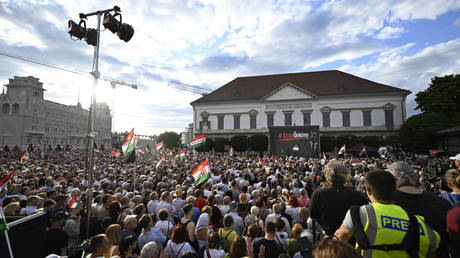
Flags matter. They aren't just colored pieces of cloth hanging off poles in foreign capitals. They represent history, struggle, and a shared identity that stretches thousands of miles across borders.
When diplomats and expatriates gather abroad to mark a national milestone, you are seeing a living bridge between nations. Recently, the Indian Embassy in Azerbaijan hosted a striking commemoration for India's independence milestone, drawing crowds and capturing attention across the Caucasus region.
You might wonder why an event thousands of miles away from New Delhi deserves your attention. The answer lies in how modern diplomacy works. It happens on the ground, through cultural diplomacy, community building, and public engagement. Let's look past the standard press releases and examine what actually happened, why bilateral ties between New Delhi and Baku are shifting, and what this means for people on both sides.
Breaking Down the Celebration
Gathering hundreds of people in a foreign country for a national day isn't just about cutting cakes or singing anthems. It takes serious coordination. The event hosted by the Indian Embassy in Azerbaijan brought together local dignitaries, business leaders, students, and the Indian diaspora living across the region.
Flags went up. Anthems echoed. Speeches highlighted historical ties. But the real story wasn't the protocol. It was the cultural exchange that happened away from the official microphones.
When you look closely at these gatherings, you realize they serve three distinct purposes:
- Reassuring the diaspora that their home country remembers them.
- Showing local hosts that the partnership matters.
- Creating soft power that economic treaties alone can never buy.
If you've ever lived abroad, you know that feeling of isolation. Walking into an embassy during a major national celebration changes that dynamic instantly. It shrinks the world.
The Quiet Expansion of India Azerbaijan Relations
Let's talk about the elephant in the room. Geopolitics in Eurasia are messy. You have shifting alliances, energy corridors, and trade routes that change every single year.
India and Azerbaijan have quietly built a pragmatic relationship. Trade numbers have climbed steadily, driven largely by energy cooperation and pharmaceutical exports. Baku sits at a critical junction of the International North-South Transport Corridor. For New Delhi, maintaining strong diplomatic channels here isn't optional. It is a strategic necessity.
Trade figures between the two nations have seen steady upward momentum over the past few years. While hydrocarbon exports remain a major pillar for Azerbaijan, Indian businesses are increasingly looking at IT, agriculture, and tourism sectors in the Caucasus.
Cultural affinity helps grease the wheels of commerce. When locals in Baku see Indian traditions celebrated openly and respectfully, it breaks down stereotypes. It paves the way for better business deals, easier visa processes, and stronger academic exchanges.
Why Soft Power Still Wins
Critics often dismiss embassy events as expensive photo opportunities. They call them administrative box-checking. They are wrong.
Soft power is notoriously difficult to measure on a quarterly spreadsheet. You cannot easily quantify the value of a dance performance, a shared meal, or a diplomatic handshake. Yet, these moments build the foundational trust required when governments negotiate complex trade deals or security pacts later on.
Think about how international perception works. People judge countries by their culture, their people, and their visible presence. When the Indian Embassy showcases classical arts alongside modern achievements, it updates the mental image that foreign citizens hold. It moves the narrative away from outdated tropes and toward a modern, dynamic reality.
Diaspora communities act as the foot soldiers of this strategy. They pay taxes, run businesses, and study in local universities. When they show up in traditional attire to celebrate their heritage, they show local neighbors who they really are.
What Most People Get Wrong About Modern Diplomacy
People often imagine diplomacy as secret meetings in smoke-filled rooms. They picture spies exchanging briefcases or stony-faced ambassadors glaring at each other across long oak tables.
That is television fiction.
Real diplomacy is remarkably human. It is messy. It relies on personal relationships, shared meals, cultural curiosity, and mutual respect. An Independence Day celebration is a masterclass in this kind of public diplomacy. It invites the host nation inside the tent. It says, "Come celebrate with us, understand our story, and let's find common ground."
Azerbaijan is navigating its own unique path on the global stage, balancing ties with major regional powers while expanding its own economic footprint. India is navigating a multipolar world where maintaining independent strategic autonomy requires friends everywhere. Events like the one in Baku tie these macro-strategies together at a human level.
Look at the bigger picture. Every time an embassy opens its doors to the public, it builds a tiny layer of resilience into international relations. Political leaders might argue, borders might close, and supply chains might break, but cultural bridges endure.
The next time you see a headline about an embassy celebration abroad, don't scroll past it as fluff. Pay attention to who is in the room. Notice which local leaders showed up. Look at the economic agreements signed around the same week. That is where the real story lives. The flags and the anthems are just the beginning.