The world isn't just dealing with a single crisis anymore. It feels like everything is hitting at once. On one side, you have stubborn wars that won't end, and on the other, sudden spikes in maritime piracy, inflation, and fractured supply chains. It's a mess.
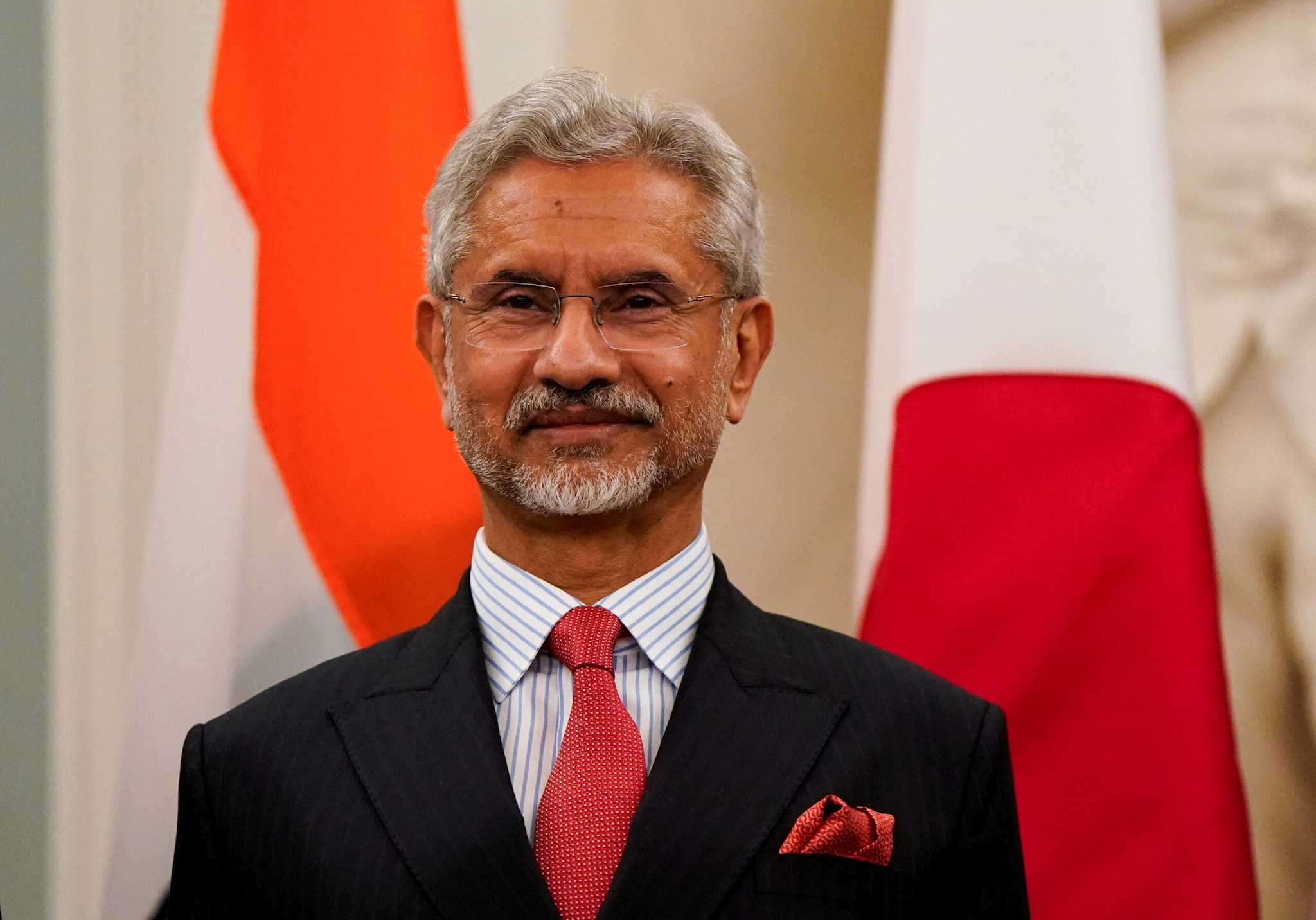
During a high-level visit to Sofia, Bulgaria, India External Affairs Minister Dr. S. Jaishankar sat down with Bulgarian Foreign Minister Velislava Petrova-Chamova to outline India's exact worldview. His message wasn't subtle. He flatly stated that the world is passing through an exceptionally volatile and uncertain future. Then he doubled down on a phrase New Delhi has used before: this is not an era of war.
For anyone tracking global politics, this wasn't just a generic speech. It's a calculated diplomatic strategy. Western nations want lines drawn in the sand. India, however, refuses to play that game. They're telling the world that picking sides is a dead end and that dialogue and diplomacy are the only ways out of this chaos.
The Reality Behind India Balancing Act
Western commentators love to criticize New Delhi for not taking a hard stance on major conflicts. They call it fence-sitting. But it's actually a deeply deliberate foreign policy choice. When Jaishankar says this isn't an era of war, he's reflecting a unique national interest that blends economic survival with geopolitical independence.
Let's look at the numbers. India is currently growing at an annual rate of 7% to 8%. To sustain that speed, the country needs steady energy, affordable fertilizers, and open shipping lanes. You can't achieve that if you're constantly burning diplomatic bridges to satisfy Washington or Brussels.
During his talks with Bulgarian leaders, including Prime Minister Rumen Radev, Jaishankar didn't just talk about abstract peace. He talked about the tangible economic pain felt by developing nations. This group of countries, collectively called the Global South, bears the brunt of European and Middle Eastern stability issues. When a container ship gets attacked or oil prices spike, a family in Mumbai or Nairobi pays the price immediately.
Why the Global South is Hurting
The conversation in wealthy Western capitals usually revolves around weapons, sanctions, and strategic wins. India wants the conversation to shift back to everyday survival.
- Food Security: Conflict interrupts grain shipments, driving up global food prices and threatening starvation in vulnerable regions.
- Fertilizer Costs: Blocked trade routes and sanctions spike production costs, meaning farmers can't afford to grow crops next season.
- Energy Vulnerability: Developing economies can't absorb volatile oil and gas prices without plunging millions back into poverty.
By acting as the voice of the Global South, India positions itself as a practical problem solver rather than a partisan cheerleader.
Supply Chains and the New Maritime Danger
Peace sounds great on paper. But how do you actually protect an economy when the world is chaotic? Jaishankar offered a very specific answer in Bulgaria: diversify everything.
Relying on a single country or one specific shipping lane is a massive risk. The answer lies in building supply chain resilience. If one trade corridor shuts down because of a localized war, you need alternatives ready to go. This isn't just theory for India. Merchant shipping lines have faced severe disruptions recently, directly impacting trade flows and putting Indian mariners in the line of fire.
India and the European Union concluded a massive Free Trade Agreement earlier this year. That wasn't just a commercial victory; it was a security move. By strengthening ties with countries like Bulgaria and Finland—the next stop on Jaishankar's European tour—India is weaving a tighter web of economic partnerships. They're looking for deep cooperation in engineering, defense manufacturing, and technology so that a shock in one part of the world doesn't crash their entire economy.
The Zero Tolerance Stance on Terror
You can't talk about global stability without addressing security threats closer to home. While India advocates for talks and compromises in state-on-state wars, its tone shifts completely when discussing terrorism.
Jaishankar made it clear that there's a meeting of minds between India and European partners on this issue. The rule is simple: zero tolerance. There's no room for nuance or diplomatic dialogue when it comes to non-state actors using violence. This double-track policy—soft on diplomatic compromise between nations, hard on cross-border terror—defines how New Delhi operates on the world stage.
Refashioning Old Ties for Modern Times
So, what does this look like in practice? Look at the relationship between India and Bulgaria. Decades ago, these ties were built on basic Soviet-era trade and cultural exchanges. Today, India is pushing to completely refashion that history into a contemporary partnership.
Indian companies are hunting for new investments in Europe. They want partnerships in advanced engineering and defense. Meanwhile, cultural exports like Yoga and Ayurveda are booming across European cities. It's a total reimagining of how a rising Asian power interacts with smaller European states. Instead of looking at Europe through a single lens, India is building individual, high-value relationships state by state.
To safeguard your own interests in this shifting environment, watching these geopolitical pivots is essential. Pay attention to bilateral trade agreements rather than just massive multinational summits. Look at where new supply hubs are being built. True economic resilience comes from diversification, and as global dynamics change, staying flexible is the only way to survive the volatility.