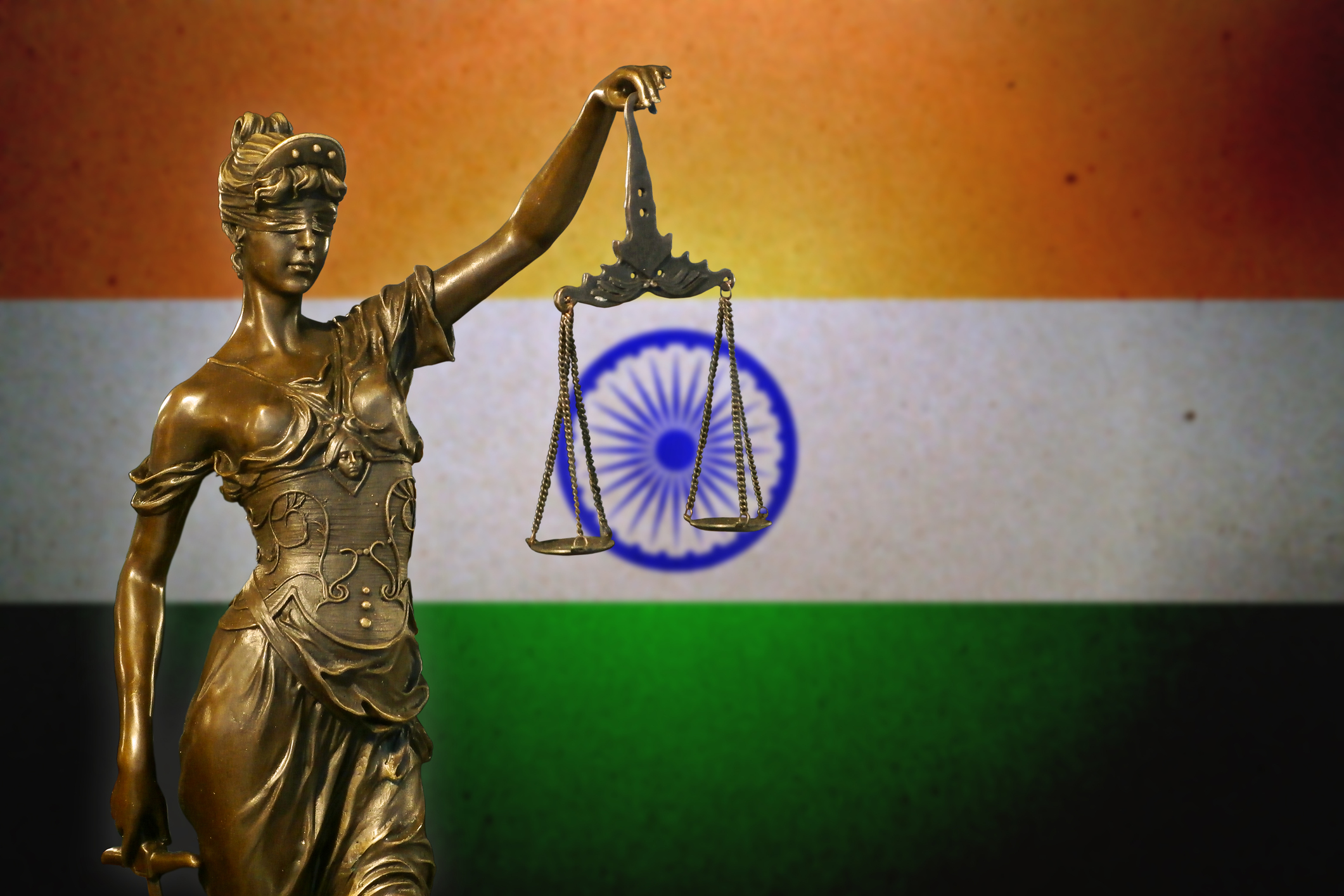
India just sent a blunt message to the United Nations Security Council. It's not about polite diplomacy anymore. It's about the fact that "Blue Helmets" are being targeted with impunity, and the West Asia region is teetering on a ledge that could pull the rest of the world down with it.
If you've been following the news, you know India isn't just a casual observer in UN peacekeeping. We’re the largest cumulative contributor of troops. When Indian officials talk about the safety of peacekeepers, they aren't reading from a script; they’re talking about their own people on the front lines. On April 29, 2026, India’s Deputy Permanent Representative, Yojna Patel, basically told the Council that the "sanctity and inviolability" of UN premises isn't a suggestion—it's a requirement.
The Cost of Impunity for Peacekeepers
Why is India pushing so hard for accountability? Because the numbers are grim. For years, peacekeepers have been attacked, and the perpetrators usually walk free. India pioneered Resolution 2589 back in 2021 specifically to fix this, but the implementation has been slow.
Recently, the United Nations Interim Force in Lebanon (UNIFIL) has been in the crosshairs. We've seen Indonesian and French peacekeepers killed or injured in southern Lebanon as the conflict between Israel and Hezbollah intensifies. India’s stance is clear: if you attack a peacekeeper, there must be a swift investigation and real justice. It’s not just about the tragedy of lost lives; it’s about the fact that if peacekeepers aren't safe, the entire concept of multilateralism fails.
The "Group of Friends" on accountability—a group of 39 countries led by India—is now working on a database to track these crimes. This is a practical, tech-driven way to ensure that when a Blue Helmet is harmed, the world doesn't just offer "thoughts and prayers" and move on.
West Asia is Not a Remote Problem
You might think the chaos in Gaza, Lebanon, or the Strait of Hormuz is a "local" issue. It isn't. India correctly pointed out that West Asia is our "proximate neighborhood." We have 10 million citizens living and working in the Gulf. Their safety is a direct national security concern for New Delhi.
But it goes beyond people. It's about your wallet and the global economy.
- Energy Security: The Strait of Hormuz is the world's most important oil transit chokepoint. Attacks on commercial shipping there—which India called "deplorable" and "unacceptable"—directly spike global energy prices.
- Supply Chains: When shipping is threatened, food security and trade routes for everything from electronics to grain get hammered.
- Regional Stability: India is sticking to its guns on a two-state solution for Israel and Palestine. It’s the only way to get a lasting peace, but right now, the focus is on immediate de-escalation.
Why This Matters for 2026
The world is messier than it was five years ago. India's recent statements at the UNSC reflect a shift toward a more "realist" foreign policy. We aren't just calling for peace because it sounds good. We’re calling for it because the instability in West Asia is hitting the "triple threat" of peace, energy, and food security.
It’s easy to get lost in the jargon of "territorial integrity" and "sovereignty," but here's the bottom line: India is tired of seeing its peacekeepers treated as targets and its economic interests threatened by regional escalations.
What needs to happen now
If the international community actually wants to stabilize the situation, the path forward isn't through more rhetoric.
- Enforce Resolution 2589: Countries hosting UN missions need to be held responsible for investigating attacks on peacekeepers. No more looking the other way.
- Secure Maritime Routes: International law regarding the freedom of navigation in the Strait of Hormuz must be enforced, not just discussed.
- Prioritize the "Group of Friends" Database: The UN needs a centralized, transparent way to track every single act of violence against its personnel to eliminate the culture of impunity.
India is standing ready to support these efforts, but as the April 2026 debate showed, the patience for talk without action has officially run out.