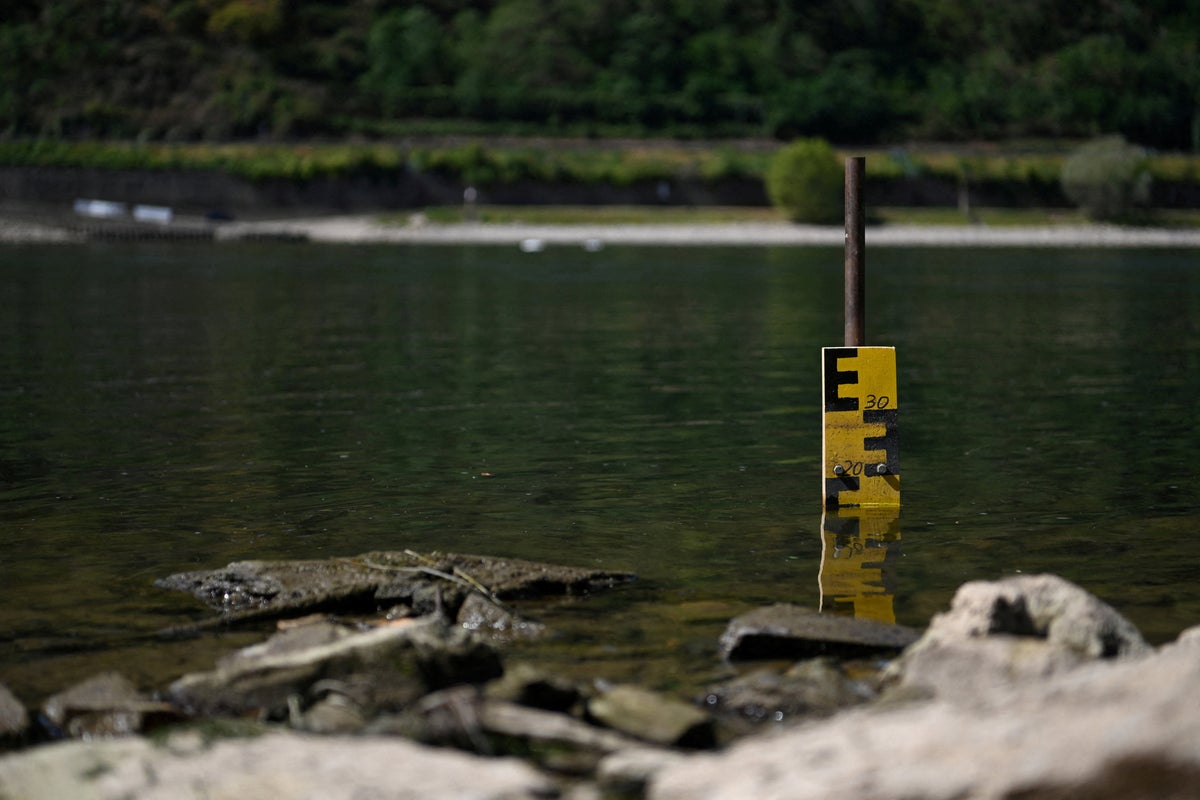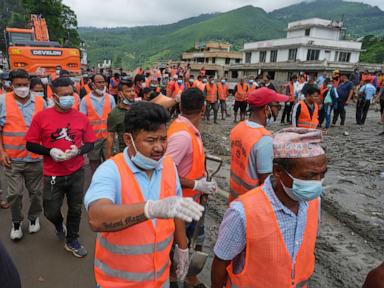
Extreme meteorological anomalies impose catastrophic stress on decentralized infrastructure, particularly within geographically volatile corridors such as the Himalayan region. When intense monsoon downpours coincide with localized seismic instability, secondary hazards emerge that far exceed baseline engineering parameters. The intersection of mass displacement events, such as catastrophic slope failures, and underground industrial facilities creates a unique operational failure mode. Workers stationed within subsurface conveyance tunnels face systemic containment threats when surface-level hydrological surges compromise portals, transform access shafts into hydraulic conduits, and trap personnel behind multi-ton debris matrices. Understanding this dynamic requires moving past sensationalized fatality statistics to analyze the structural vulnerabilities inherent in rapid hydropower expansion across high-altitude terrain.
The Physical Mechanics of Subsurface Entrapment
Subsurface infrastructure engineering relies on predictable hydraulic pressures and structural load capacities. When acute precipitation events occur, the system experiences a fundamental disruption across three primary vectors: hydrological influx, sediment loading, and kinetic impact energy.
- Hydrological Influx: Unregulated surface runoff bypasses catchment basins and enters diversion channels at velocities that exceed design thresholds. This causes a sudden volumetric spike inside headrace tunnels and desilting chambers.
- Sediment Loading: High-velocity water entrains millions of tons of scree, boulders, and organic debris. As flow velocity drops within restricted subterranean geometries, this material drops out of suspension, rapidly choking egress routes.
- Kinetic Impact Energy: Landslides striking surface-level penstocks or powerhouse portals deliver massive blunt-force trauma to structural joints, shearing steel anchors and collapsing concrete portals.
The transition from a functioning generation facility to a subterranean trap occurs in minutes. As portals become choked with slurry, internal air pockets compress or fill entirely with water depending on the gradient of the tunnel system. Workers located miles underground inside excavation adits or maintenance galleries face immediate isolation. Telemetry and power lines are severed by ground displacement, eliminating the primary hazard communication infrastructure before evacuation protocols can be executed.
Systemic Failures in Emergency Response Operations
Mitigating crises within remote subterranean facilities demands an operational response framework capable of functioning in zero-visibility, high-risk environments. Traditional search-and-rescue methodologies fail when applied to flooded or blocked hydro tunnels due to four distinct operational bottlenecks.
- Access Impediment: Heavy earthmoving equipment cannot reach remote Himalayan project sites when connecting arterial roads are washed out by simultaneous landslides. Rescuers are forced to rely on foot transport or limited aerial deployment, delaying heavy extraction capabilities by days.
- Atmospheric Hazard: Subsurface spaces cut off from ventilation shafts rapidly accumulate toxic gases or experience oxygen depletion, turning unflooded pockets into lethal environments for trapped personnel and rescue teams alike.
- Hydraulic Instability: Pumping water out of a blocked tunnel system carries the risk of triggering internal structural collapses if retaining bulkheads fail under unbalanced hydrostatic pressure.
- Geotechnical Uncertainty: Ongoing aftershocks or secondary slope failures make underground entry a severe risk for rescue workers, forcing operations to pause until slopes stabilize.
These friction points expose a fundamental deficiency in baseline disaster management plans across developing energy markets. Projects optimized purely for capital expenditure efficiency often underinvest in redundancy, such as independent emergency escape shafts, autonomous life-support caches, and hardened backup communications nodes.
The Economic and Engineering Calculus of Climate Risk
The recurring loss of life and capital assets in mountainous hydroelectric developments points to a miscalculation in risk pricing. Developers routinely discount low-probability, high-consequence extreme weather events during initial feasibility studies. This risk miscalculation stems from relying on historical hydrological baselines that no longer apply in an era of accelerated climatic instability.
Traditional financial models balance construction costs against projected energy yields over a thirty-to-fifty-year lifecycle. However, they frequently omit the catastrophic tail risk of complete asset write-offs and mass casualty liabilities. When a facility is overwhelmed by a multi-standard-deviation flood event, the resulting capital destruction erases decades of projected operational margins.
Engineers must transition from deterministic design models to probabilistic resilience frameworks. This shift involves redefining safety factors for portal locations, installing automated acoustic and pressure-monitoring early-warning arrays throughout subterranean networks, and mandating hardened underground hyperbaric shelters equipped with autonomous life support. Without these structural integrations, rapid watershed development in vulnerable alpine zones will continue to trade long-term structural viability for short-term capacity gains, producing systemic hazards that operational interventions alone cannot resolve.
Implement a mandatory moratorium on unmitigated subsurface construction in high-risk seismic zones until geotechnical and hydrological monitoring infrastructure reaches parity with climate volatility projections. Asset operators must audit all active tunnels for independent emergency egress viability, retrofitting secondary escape routes where primary portals are vulnerable to upslope mass movements.