Cross-border travel isn't getting simpler. If you're planning a trip through the Huanggang Port corridor, you need to understand why dual-side registration is mandatory for the touted "joint clearance" model. Most travelers assume a single checkpoint handles everything. That assumption wastes hours.
Let's clear up how the system actually operates on the ground. Recently making news in this space: Information Cascades and Pathogen Panic The Anatomy of the Russian Laboratory Death Rumor.
The Reality of Huanggang Joint Clearance
The phrase "joint clearance" sounds like you show your passport once, get a stamp, and walk through. The reality is far more bureaucratic. You register on both sides of the border because two distinct legal jurisdictions meet at the boundary.
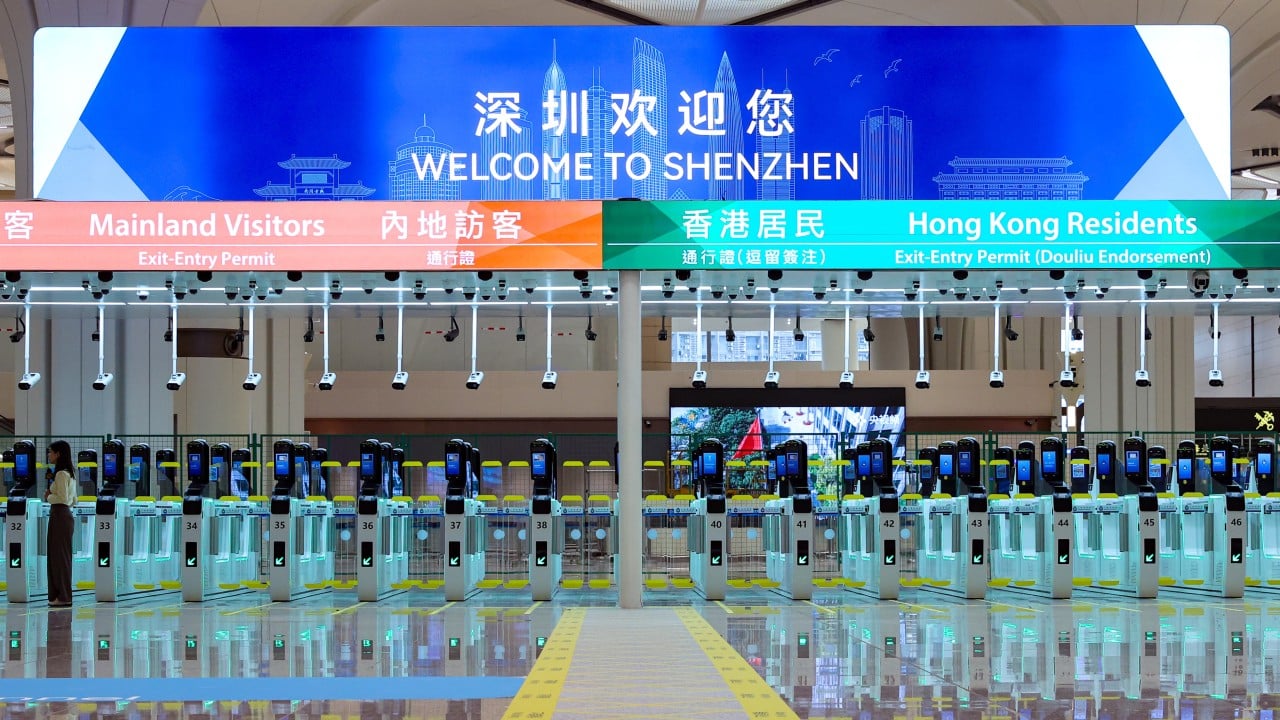
Huanggang Port sits as a massive crossing point connecting Shenzhen and Hong Kong. Upgrades aiming for high-efficiency processing introduced innovative architectural designs, but sovereignty lines don't blur just because modern glass and steel go up. Hong Kong customs and mainland Chinese border control operate under different legal frameworks, data privacy rules, and security protocols. More insights regarding the matter are explored by USA Today.
When you pass through, you aren't clearing one unified customs union. You are clearing two separate systems housed under a single roof.
Why Dual Registration Trips Up Experienced Travelers
I've watched seasoned business travelers get stuck at Huanggang because they thought submitting digital arrival cards for one side covered both. It doesn't.
Each jurisdiction requires its own distinct data capture. Mainland authorities track entries through specific immigration databases and biometric gates. Hong Kong Immigration maintains its own independent infrastructure.
- You fill out the mainland exit or entry declaration.
- You walk twenty feet across a designated boundary line inside the same building.
- You present your travel documents to Hong Kong officers who run separate security checks.
Skipping the initial digital pre-registration for either side creates immediate bottlenecks. Automated gates reject passports if the local database hasn't logged your electronic declaration yet. You get pulled out of the fast lane and dumped into the manual processing queue.
Navigating the Process Without Losing Your Mind
If you want to avoid standing in line behind confused tourists, preparation is your only real asset.
Check the specific portal requirements for both Shenzhen and Hong Kong before you leave your hotel. Do not rely on mobile connectivity at the border. Basement levels and transition halls notoriously drop signals right when you need to pull up a QR code.
Keep physical printouts of your transit bookings, accommodation details, and return tickets handy. Officials on both sides still ask for tangible proof if your digital submission triggers an automated flag.
Common Mistakes to Avoid
- Assuming biometric registration on the Shenzhen side applies to Hong Kong gates.
- Forgetting to update travel document expiration dates in regional apps prior to arrival.
- Walking past the designated Wi-Fi zones without completing secondary declarations.
The Huanggang layout is built for speed, but only if you respect the administrative walls that remain firmly in place. Double-check your paperwork before you step foot in the terminal.
Verify your visa status, complete dual electronic declarations ahead of time, and keep your documents accessible in your hand, not buried at the bottom of your bag.