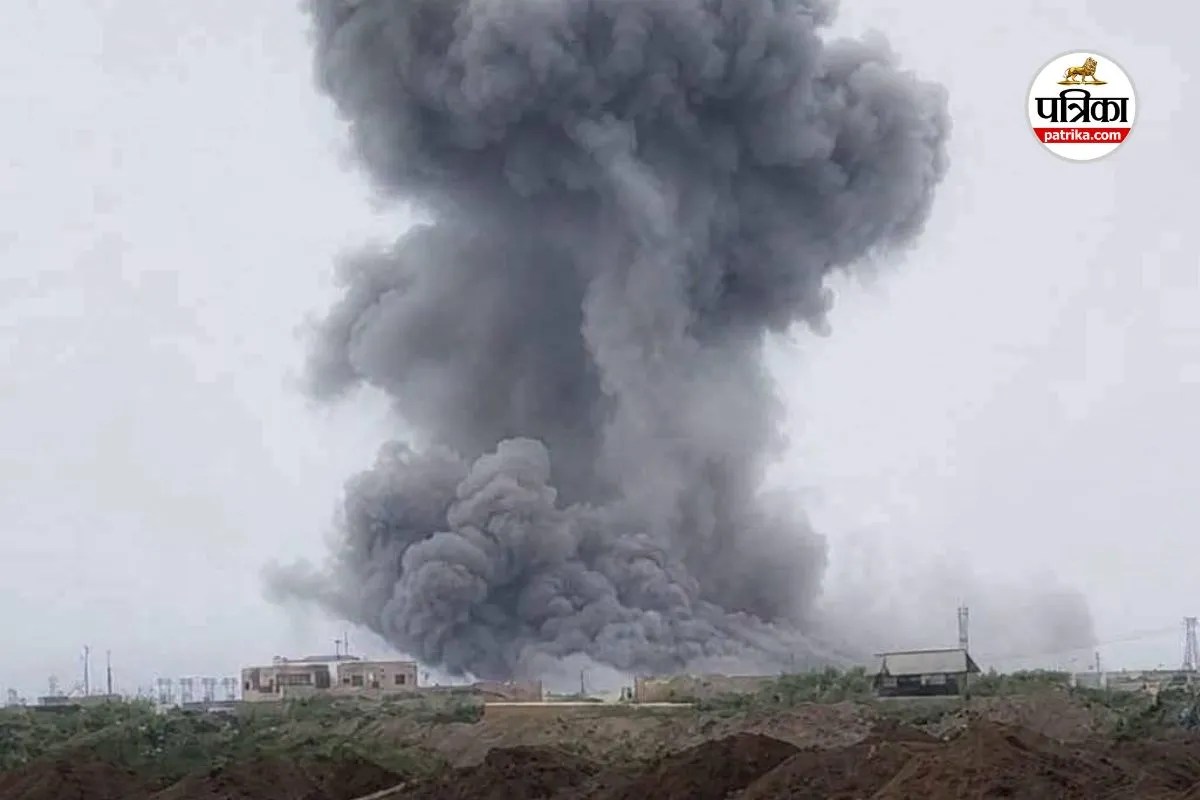
The ground in western Yemen shook violently as a coordinated swarm of ten ballistic missiles sliced through the sky, turning localized tension into an immediate regional crisis. If you think the conflict in Yemen is just a localized civil war, you're missing the bigger picture. Iran-backed Houthi forces didn't just pick a random target; they unleashed a synchronized strike aimed squarely at populated districts in the Taiz and Hodeidah provinces, specifically rattling strategic hubs like Mocha and Al-Khawkhah.
Civilians woke up to a chilling symphony of air defense sirens and deafening explosions. The reality on the ground is grim. Years of continuous fighting have hollowed out local infrastructure, and a sudden injection of ten ballistic missiles pushes an already fragile population closer to total collapse.
The Strategic Value of Taiz and Hodeidah
Why these specific cities? It's all about geography and choke points. Taiz acts as a massive gateway, while Hodeidah controls vital coastal access along the Red Sea. Houthi leadership knows that keeping pressure on these government-controlled sectors prevents any semblance of economic stabilization. When you launch ballistic missiles into densely populated coastal zones, you aren't just targeting military outposts—you're terrorizing local communities and ensuring trade routes remain permanently paralyzed.
Local military sources confirmed that alongside the missile barrage, ground skirmishes erupted in the Al-Kadaha and Al-Barh frontlines. Government forces managed to push back the advancing fighters, but the back-and-forth urban combat leaves residents trapped in the crossfire.
The Wider Geopolitical Shockwaves
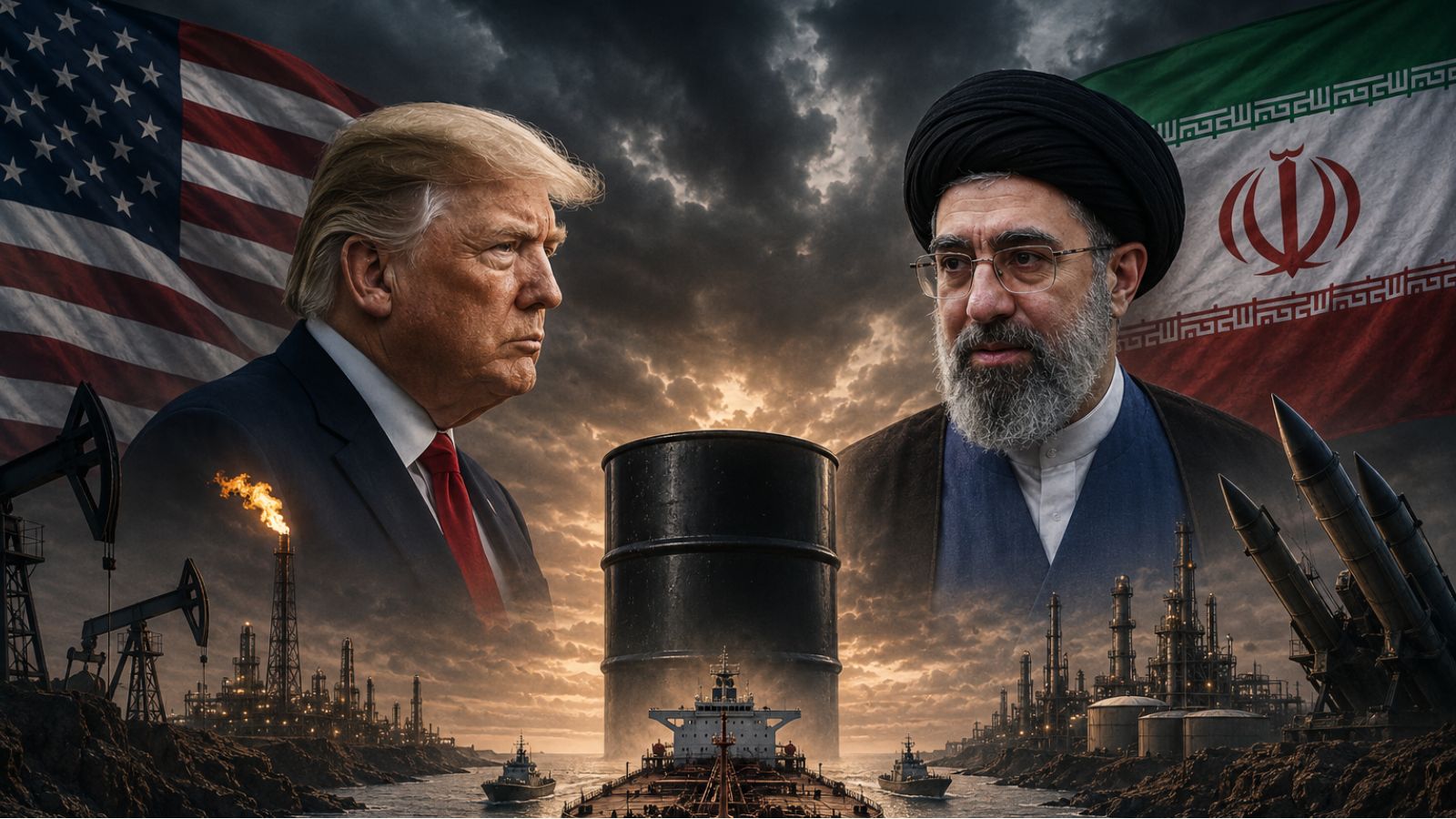
This isn't happening in a vacuum. The escalation in Yemen links directly to broader Middle Eastern flashpoints, including ongoing maritime security operations near the Strait of Hormuz and continuous trade route disruptions. International shipping companies are forced to reroute dozens of commercial vessels to avoid getting caught in the crosshairs. Every missile fired in western Yemen sends shockwaves through global supply chains, driving up insurance costs and threatening oil logistics.
What Happens Next on the Ground
Diplomatic efforts have repeatedly stalled because neither side is willing to cede tactical ground. The internationally recognized government continues to launch retaliatory operations against weapon depots and command hubs, yet the Houthi stockpile—largely sustained through regional backing—remains alarmingly resilient.
Expect more volatility in the coming weeks. As long as regional proxy tensions remain unaddressed, western Yemen will continue to absorb the brunt of these high-tech military escalations, leaving millions of civilians to bear the ongoing cost of an endless war.