The global football apparatus spent years insisting that the 2026 World Cup would celebrate North American unity, a seamless tri-national fiesta stretching from Vancouver to Guadalajara. That marketing myth died the moment the tournament actually kicked off on June 11, 2026. While Mexico City hosted the opening match under an uneasy cloud of geopolitical tension, the real energy of this tournament resides in Washington and Los Angeles, where the event has been aggressively retrofitted into a giant commercial for right-wing American populism. This is no longer a global sports festival. It is the definitive showcase of athletic Trumpism, executed with the eager compliance of football’s governing body.
Gianni Infantino didn't just open the doors of soccer to Washington; he handed over the keys. The alliance between FIFA and the current presidential administration represents a perfect convergence of corporate greed and authoritarian showmanship. By expanding the tournament to an unprecedented 48 teams, FIFA secured the massive financial windfall it craved, but it did so by turning a blind eye to an immigration and security apparatus that directly threatens the global, inclusive ethos the sport claims to champion.
The Peace Prize Paradigm
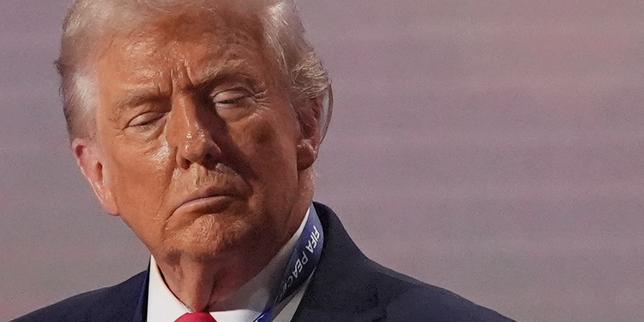
The groundwork for this takeover was laid long before the first ball was kicked. In late 2025, Infantino raised eyebrows across the diplomatic world by awarding FIFA’s inaugural peace prize to the American president. It was a transactional masterstroke. For FIFA, it bought absolute federal compliance, tax exemptions, and infrastructure guarantees. For the White House, it provided a glossy, international stamp of legitimacy just as the administration faced intense global criticism over its isolationist foreign policy and aggressive domestic agenda.
Historically, authoritarian regimes have used sports to mask internal repression, a practice known as sportswashing. What we are witnessing now is a distinct mutation of that strategy. The current American administration is not trying to hide its nationalist agenda to please international observers; it is using the World Cup to project that agenda globally. The tournament has become a stadium-sized megaphone for the America First doctrine.
Borders, Visas, and Selective Entry
The most glaring contradiction of this "inclusive" tournament is the reality at the border. FIFA promised a borderless celebration of football, but the United States government made it clear that national security priorities would not be relaxed for sports fans. The administration treats every visa application as an existential security decision.
The consequences of this policy are felt unevenly across the globe. While European fans with strong currencies navigate the entry process with relative ease, supporters and media professionals from less wealthy nations face an impenetrable wall of bureaucracy.
- Total Travel Bans: Citizens from participating nations like Iran and Haiti face outright bans on entering the United States, effectively barring their fans from watching their national teams in person.
- Partial Restrictions: Countries such as Senegal and Ivory Coast are subject to severe visa scrutiny, leading to massive backlogs and systemic rejections for ordinary supporters.
- The Participant Loophole: While players, coaches, and immediate team staff are granted special exemptions to compete, the journalists and fans who give the tournament its life are left stranded.
This selective enforcement strips the World Cup of its traditional carnival atmosphere. The stands in American stadiums are conspicuously corporate and overwhelmingly domestic, lacking the vibrant, chaotic mixture of global subcultures that defined previous tournaments in Germany or Brazil.
ICE in the Concourses
Inside the host cities, the atmosphere is less about athletic celebration and more about domestic intimidation. The administration has deployed Immigration and Customs Enforcement (ICE) personnel heavily around major urban centers and transportation hubs connected to the tournament. While federal officials frame this presence strictly as a counter-terrorism and anti-trafficking measure, the psychological impact on immigrant communities and visiting tourists is undeniable.
There is a chilling reality to hosting a mega-event under a regime focused on mass deportation. In early 2026, high-profile incidents involving federal overreach sparked protests across major American cities. Now, those same federal agencies are policing the perimeters of FIFA fan fests.
For an undocumented worker in Los Angeles or Houston, the arrival of the World Cup does not mean economic opportunity; it means increased surveillance and the immediate threat of detention. FIFA’s official human rights policy states that the organization strives to foster an environment free from discrimination and harassment. The reality on the ground suggests that those guidelines aren't worth the glossy paper they are printed on.
The Marginalization of the Co-Hosts
The original bid for this tournament was a joint venture between the United States, Canada, and Mexico. It was pitched as a symbol of regional cooperation. Under the current political climate, however, Canada and Mexico have been relegated to logistical footnotes.
The lopsided distribution of matches tells the real story. The United States hosts the vast majority of the games, including every single match from the quarterfinals onward. The final will take place on American soil, surrounded by American security forces, beneath a VIP box designed to showcase American political power.
Mexico’s historic Estadio Azteca may have held the opening ceremony, but the political center of gravity never left US soil. The administration’s public rhetoric surrounding the tournament frequently highlights American dominance while subtly undermining its neighbors. The border wall, a perennial point of friction, stands as a literal and figurative backdrop to a tournament that was supposed to bridge divides.
Capital in Its Purest Form
If the political messaging of this World Cup is nationalistic, its economic engine is hyper-capitalist. The expanded 48-team format is a logistical nightmare that requires teams and fans to fly thousands of miles between group stages, generating an unprecedented carbon footprint. Estimates suggest this will be the most polluting sporting event in human history.
Yet, any discussion of environmental sustainability or local economic strain is buried beneath a mountain of corporate sponsorship. Ticket prices have reached astronomical levels, pricing out traditional working-class football fans in favor of corporate hospitality packages.
This environment suits both FIFA and the White House perfectly. It represents the paroxysm of modern sport-spectacle: massive corporate profits, heavy state policing, and a complete detachment from the communities that actually sustain the game. The tournament is a television product designed for global broadcast, scrubbed of any organic, unpredictable fan culture that cannot be monetized or controlled by the state.
The administration’s sports czars argue that if the world is talking about what happens on the field by July, the government has done its job. But the game cannot be separated from the cage built around it. By handing the world's game over to the MAGA machine, FIFA didn't just compromise its values; it provided the blueprint for how modern autocrats can buy, brand, and weaponize the world's most popular pastime.