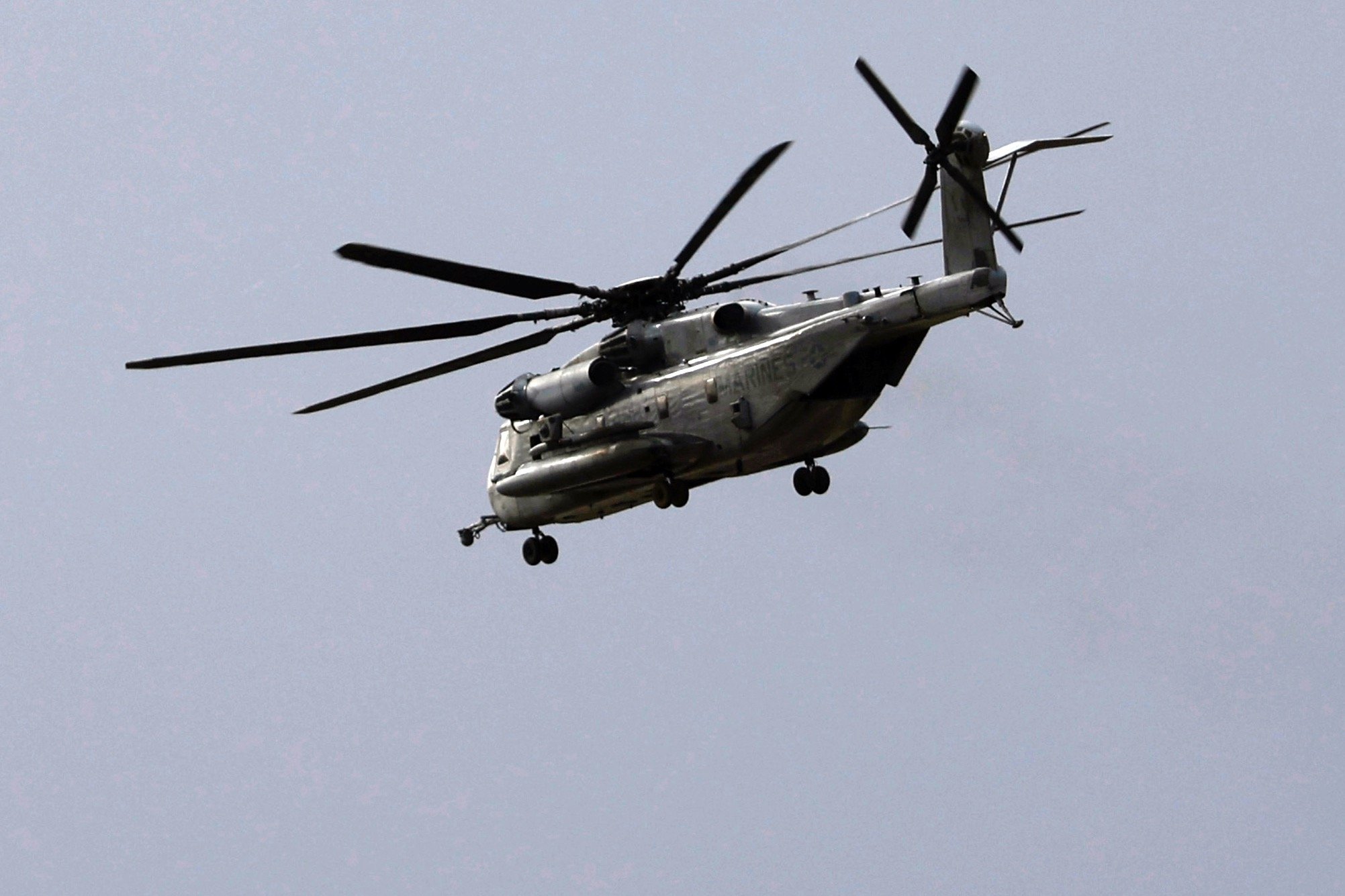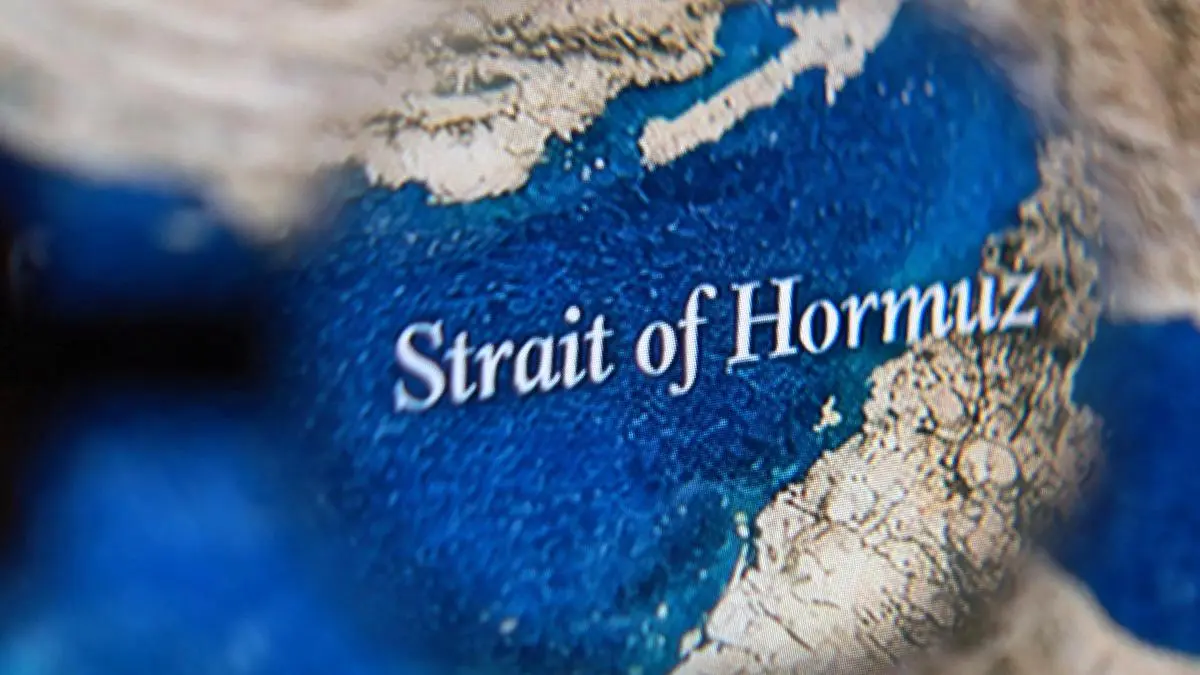
The Strait of Hormuz is currently a ghost town. Before the war between Iran, the US, and Israel kicked off in February 2026, roughly 140 commercial ships squeezed through that narrow neck of water every single day. Today? You're lucky to see 15. That’s a 90% collapse in traffic that has sent shockwaves through global energy markets and left 20,000 seafarers literally trapped in a naval cage.
While Washington and Tehran are busy trading threats of total destruction, a quieter group of 40 countries is meeting in Paris today to figure out what happens when the shooting stops. Led by French President Emmanuel Macron and UK Prime Minister Keir Starmer, this "Hormuz Willing People" coalition is betting on a future where the US and Iran aren't the only ones holding the keys to the world's most important oil artery.
Moving Past the Blockade
Right now, the situation is a mess. Since late February, Iran has effectively shuttered the strait to anyone it considers an "enemy," while the US has slapped a total blockade on Iranian ports. It’s a classic stalemate. The Paris summit isn't about joining the fight—in fact, Macron and Starmer have been very clear that they won't join the US blockade because that’s a one-way ticket to a hot war.
Instead, they're planning a "strictly defensive" multinational mission. Think of it as a massive, high-tech security detail for tankers. They aren't looking to start a fight; they're looking to make the strait boring again. The goal is to have a force ready to deploy the second a ceasefire is signed, ensuring that global trade doesn't stay paralyzed for months while diplomats argue over the fine print.
What the Mission Actually Looks Like
If you think this is just a few ships flying flags, you're wrong. The logistical mountain these countries have to climb is staggering. The proposed mission focuses on three things that are currently making the strait a deathtime:
- Autonomous Mine Clearance: Iran has been dropping mines like candy. The coalition is planning an aggressive use of underwater drones and autonomous systems to sweep the shipping lanes without risking human divers.
- Persistent Counter-Drone Envelopes: The war has proven that cheap UAVs can sink billion-dollar ships. Any post-conflict mission will need a layered "bubble" of electronic warfare and short-range defense systems to protect slow-moving tankers.
- The "Non-Belligerent" Shield: By keeping the US and Iran out of the initial planning, Europe and its Asian partners are trying to create a neutral space. They want to show Tehran that keeping the water open is a global necessity, not a Western provocation.
It’s a gamble. German Chancellor Friedrich Merz has already expressed caution, noting that while Berlin is "willing in principle," the reality of a multinational fleet in such a volatile space is a legal and military nightmare.
The Cost of Waiting
Why does this matter to you? Look at your gas bill or the price of groceries. One-fifth of the world’s fuel passes through this 21-mile-wide gap. When the flow stops, everything gets more expensive. The UN is already warning about a global fertilizer crisis because the raw materials are stuck behind a wall of warships.
There's also the human cost. More than 300 commercial vessels are currently "trapped" in the region. These aren't just statistics; they're thousands of sailors living on ships that are running out of supplies, sitting in a literal crossfire. The Paris talks are the first real attempt to address the "stranded seafarer" crisis that the major combatants have basically ignored.
Why This Coalition Might Actually Work
Most people assume that only a superpower like the US can "police" the world’s oceans. But the "Hormuz Willing People" strategy flips the script. By involving 40 different nations—including heavy hitters from Europe, Asia, and even some GCC members like Bahrain—the coalition gains a level of diplomatic legitimacy that a US-only mission lacks.
Iran has already threatened to close other lanes like the Red Sea if the pressure doesn't let up. They've even suggested charging a "toll" for transit—a move European diplomats called a flat-out violation of international law. By building a massive, diverse coalition now, the world is signaling to Tehran that the "new normal" won't include Iranian gatekeeping of international waters.
The Reality Check
Don't expect ships to start moving tomorrow. This is a "day after" plan. The real test will be whether these countries can actually coordinate their tech. Integrating Italian radar with British drones and French command structures is a headache in a swimming pool, let alone in a strait filled with mines and tension.
If you're a business owner or an investor, the takeaway is clear: the era of "free" maritime security is over. In the future, shipping through chokepoints like Hormuz will likely involve specialized escorts and international "security fees." You should be diversifying your supply chains now to avoid being held hostage by the next flare-up in a narrow waterway.
Keep an eye on the chair's statement coming out of Paris tonight. It won't end the war, but it'll tell us exactly who is willing to put their hardware on the line to keep the lights on for the rest of the world. The shift from US-led "policing" to a multinational "defensive" model isn't just a tactical change—it's the new blueprint for 2026 and beyond.