The HK$69 Million Illusion
Hong Kong is celebrating a phantom victory.
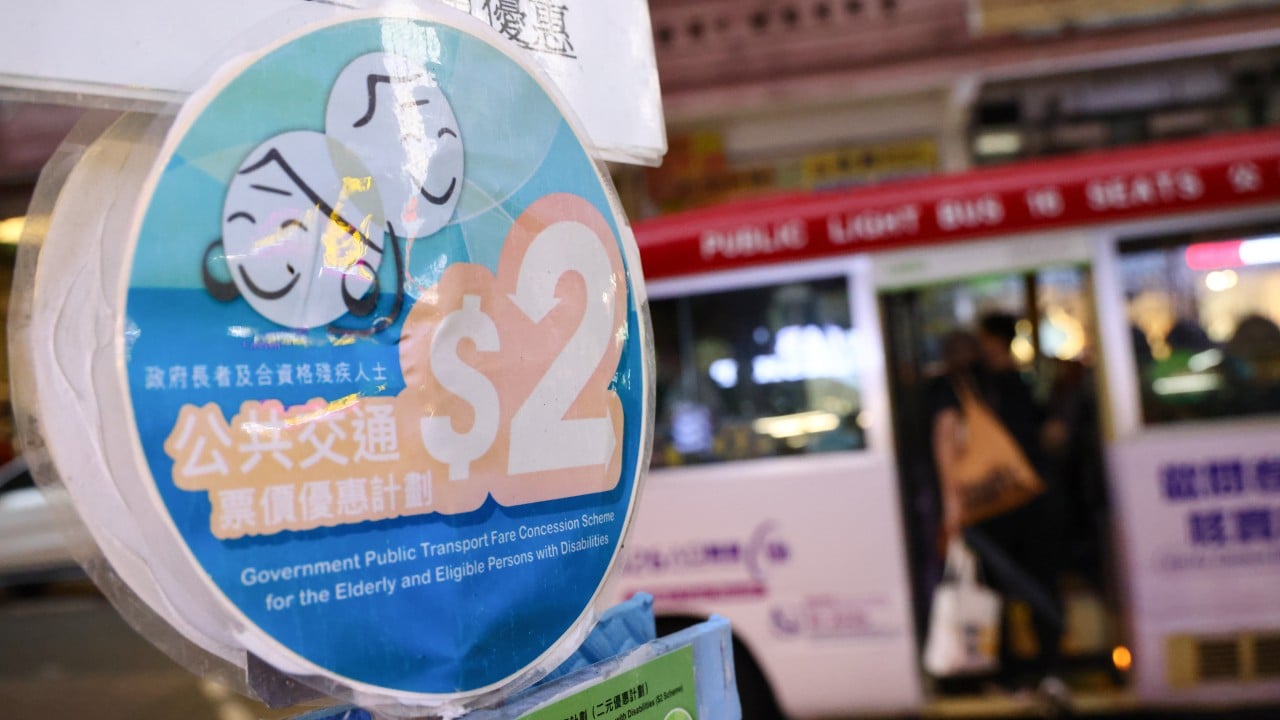
The recent media parade surrounding the government’s HK$2 transport fare scheme revamp boasts a headline-grabbing statistic: HK$69 million saved in the very first month. Officials are patting themselves on the back. The public is nodding along, convinced that tightening the screws on elderly transit subsidies is a masterclass in fiscal responsibility.
It is a lie wrapped in a ledger.
To celebrate saving HK$69 million in a city with hundreds of billions in fiscal reserves is the administrative equivalent of skipped lunches to pay off a mortgage. It misses the structural reality of urban economics entirely. What the government spins as a triumph of cost containment is actually a glaring admission of policy failure. They are treating a systemic transit design flaw as an accounting error, and in doing so, they are actively suppressing the economic mobility of the very demographics that keep the city’s grassroots economy alive.
Let’s dismantle the lazy consensus.
The Flawed Premise of Short-Hopping Abuse
The entire narrative justification for the HK$2 revamp hinges on a boogeyman: the "short-hopper."
Politicians and bureaucratic pundits spent months decrying the tragedy of elderly citizens boarding long-haul buses for a two-stop journey, forcing the taxpayer to foot the bill for the full-route subsidy. The solution? Strict enforcement, complex verification, and a psychological chill placed on senior transit usage.
This argument collapses under the slightest economic scrutiny.
[Passenger Boards Long-Haul Bus for Short Trip]
       │
       ▼
[Old System: Taxpayer pays full route differential] ──► Media calls it "Abuse"
       │
       ▼
[New System: Restrictions/Surveillance Imposed]     ──► Elders stay home (Economic Stagnation)
In transport economics, marginal cost is the true metric of system efficiency. When an MTR train or a double-decker bus is already running its designated route, the marginal cost of a senior citizen occupying an otherwise empty seat for three stops is effectively zero. The vehicle consumes the same amount of fuel; the driver receives the same wage.
By focusing on the cash outflow from the government treasury to the franchise operators, the state has confused an internal transfer payment with an external economic drain. The money paid to the MTR Corporation and bus franchises doesn’t vanish into a black hole. It stabilizes the balance sheets of critical infrastructure providers, reducing the pressure on those same companies to raise baseline fares for regular, working-class commuters.
By cutting the subsidy payout by HK$69 million, the government did not magically generate wealth. They simply starved their own public transit network of predictable revenue while pretending they solved a crisis.
PAA: Does the HK$2 fare scheme cause government deficits?
The Brutal Truth: No. Pretending a welfare subsidy for the elderly is the driver of Hong Kong’s structural deficit is a cowardly diversion from major revenue shortfalls in land sales and corporate stamp duties.
For decades, the city relied on a high-land-price model to fund public services. Now that the property market is correcting, blaming seniors for riding the bus too much is a convenient scapegoat. Transit subsidies are a rounding error on the municipal balance sheet; land policy is the actual wound.
The Hidden Cost of Sedentary Seniors
Here is what the accountants at the Financial Secretary’s office left out of their spreadsheets: the massive, compounding cost of immobility.
I have spent years analyzing how urban policy impacts public health infrastructure. When you penalize or complicate transit for the elderly, you do not stop them from making inefficient trips. You stop them from making trips altogether.
Urban mobility is directly correlated with cognitive health, physical independence, and community resilience. The moment a senior citizen decides it is too much of a hassle to navigate the new verification hurdles or faces social stigma for boarding a bus, their world shrinks.
- Increased Healthcare Burden: Isolation accelerates cognitive decline and physical frailty. A single additional week in a public hospital bed costs the state exponentially more than a lifetime of subsidized bus rides from Kwun Tong to Central.
- Loss of Volunteer Labor: Hong Kong’s social fabric relies heavily on older adults providing childcare for working parents and volunteering at community centers.
- Grassroots Economic Freeze: Seniors who travel spend money. They buy dim sum, they shop at wet markets, and they patronize small neighborhood businesses.
The HK$69 million saved in month one is an upfront discount that guarantees a massive, multi-billion-dollar medical bill down the road. It is penny-wise and pound-foolish on a macroeconomic scale.
The Real Culprit: Failure in Transit Network Architecture
If the government genuinely wanted to eliminate the inefficiency of long-haul buses being used for short trips, they wouldn't target the passengers. They would target the route designs.
Hong Kong’s bus network is a redundant web of historical concessions. We have multiple operators running overlapping routes through the same congested corridors, competing for the same commuters.
Traditional Route Design (Highly Inefficient):
[Point A] ═════════════════════════════════════════════════► [Point Z]
         (Stops every 500 meters, bleeding cash on short-hoppers)

Rationalized Trunk-and-Spoke Design:
[Point A] ───► [District Hub] ═══════════════► [District Hub] ───► [Point Z]
 (Local Feeder)               (High-Speed Trunk)               (Local Feeder)
Instead of implementing a rationalized trunk-and-spoke model—where high-speed, long-distance buses bypass local stops entirely and feed into localized shuttle networks—the transport department chose the laziest possible option. They left the broken, bloated routes intact and blamed grandma for reading the timetable correctly.
The Danger of Our Own Position
To be intellectually honest, a completely unrestricted, unmonitored subsidy scheme does invite bad actors. Organized syndicates using stolen or cloned elder Octopus cards to traffic goods across the city or arbitrage transit fares is a legitimate enforcement issue.
But there is a vast, unforgivable chasm between targeted criminal enforcement and a wholesale policy revamp that treats every elderly commuter like a fiscal parasite.
Stop Penalizing Mobility, Start Pricing Space
If Hong Kong wants to fix its transit economy, it needs to stop looking at fare boxes and start looking at real estate.
The MTR Corporation is a property developer masquerading as a railway company. It funds its operations through the "Rail plus Property" model, capturing the value of the land it builds over. The bus companies do not have this luxury, which is why they squeeze the government for subsidies.
Instead of clawing back millions from senior citizens, the city should implement a comprehensive Electronic Road Pricing (ERP) system in Central and Tsim Sha Tsui. Charge private vehicle owners, luxury MPVs, and corporate fleets for the premium space they occupy on our public roads.
A single corporate vehicle idling in Central contributes more to the economic degradation of the city via congestion and pollution than a thousand elderly passengers riding the bus to see their grandchildren. Tax the luxury congestion, fund the social mobility. It is not radical; it is basic spatial economics.
The HK$69 million victory lap is a mirage. It is a symptom of an administration that knows the cost of everything and the value of nothing. The revamp didn't save money; it just shifted the debt onto the future health and social cohesion of the city.
The books look cleaner, but the city is poorer for it. Stop counting pennies while the house is losing its foundation.