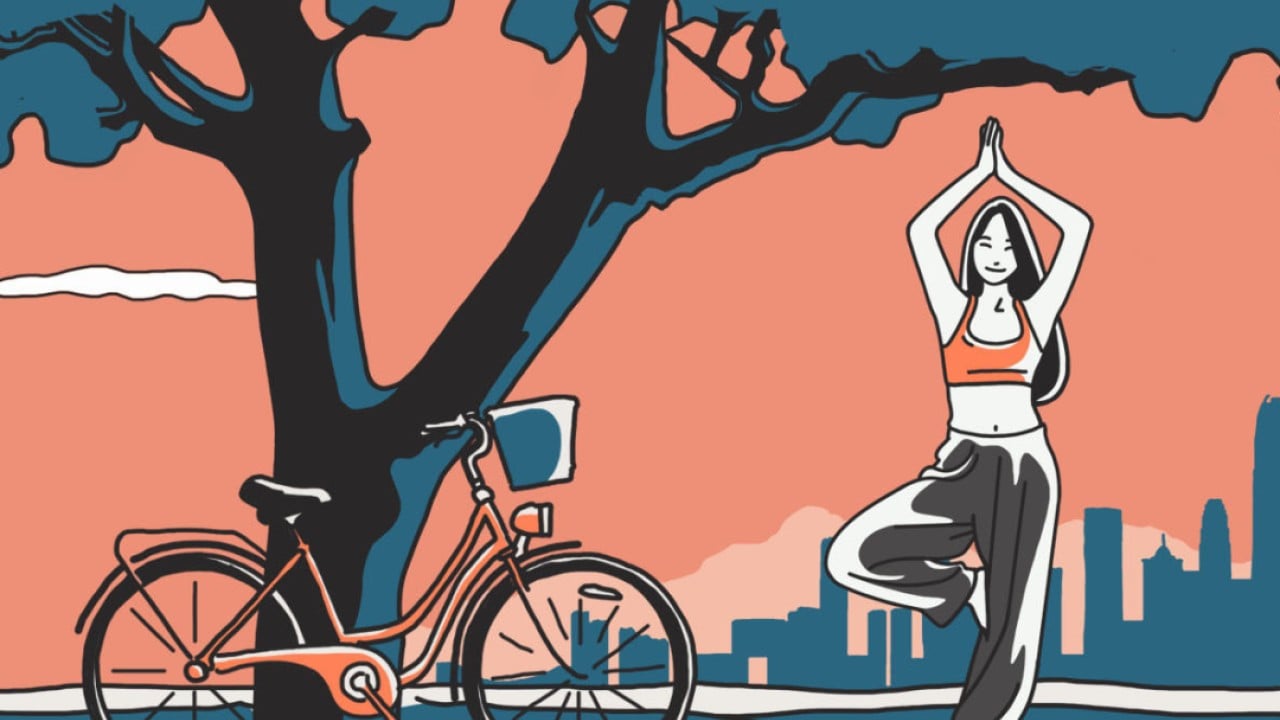
Most wellness advice tells you to buy expensive equipment, join a boutique gym, and spend hours prepping organic meals on Sunday. It is exhausting. You don't need any of that. Look at how people actually live in Hong Kong. They navigate one of the densest urban environments on earth while maintaining high life expectancies and remarkably low rates of chronic lifestyle diseases.
Hong Kong style living isn't about rigid workout plans. It's about environment design and daily habits built straight into the city's architecture. You walk everywhere because parking is scarce and public transit is faster. You eat fresh food from local markets because kitchens are small and dining out on quick, nutrient-dense local dishes is a way of life. Let's break down what you can steal from this dense metropolis to fix your own health without turning your life upside down. Discover more on a similar subject: this related article.
The Built Environment Advantage
Walkability changes everything. In Hong Kong, you rarely sit in a car for an hour just to grab groceries. The city relies on a multilayered transit network of MTR stations, covered walkways, and escalators that seamlessly connect residential towers to commercial hubs. People easily hit ten thousand steps a day without ever planning a workout.
You can replicate this right now. Ditch the car for short errands under two miles. If you work from home, force yourself outside for a twenty-minute walk before you open your laptop. The secret isn't willpower. The secret is designing your day so moving your body is the default choice rather than an uphill battle against laziness. Additional reporting by Cosmopolitan highlights similar perspectives on this issue.
Eating Fresh Without a Commercial Kitchen
Hong Kong apartments are famously tiny. You won't find sprawling walk-in pantries or massive industrial refrigerators in most homes. This constraint creates a massive health benefit. People shop daily or every other day, buying small quantities of fresh vegetables, seafood, and lean meats from local wet markets or neighborhood grocers.
Processed packaged food has a hard time competing when fresh ingredients are cheap and readily available on every corner. When you store less junk food at home, you eat less junk food. Clean out your pantry. Stop buying bulk bags of processed snacks that sit in your cupboards for months. Shop more frequently and buy fresh.
Steaming Over Frying
Look at traditional Cantonese cooking techniques. Steaming fish, blanching greens, and quick stir-frying with minimal oil dominate local kitchens. These methods preserve the natural micronutrients of the food without drowning everything in heavy fats or calorie-dense sauces.
You can apply this tonight. Swap heavy cream-based sauces for ginger, scallions, and a splash of soy sauce. Steam your vegetables instead of roasting them in heavy pools of olive oil. Your digestion will thank you, and you'll slash hundreds of empty calories without feeling deprived.
Movement as Routine Not Chore
Fitness in Hong Kong isn't confined to a membership fee. Parks buzz with people practicing Tai Chi at dawn. Hiking trails like the Dragon's Back sit minutes away from concrete skyscrapers. Weekend hiking is a massive cultural staple rather than an extreme elite sport.
People integrate physical activity into their social lives. They catch up with friends while walking up a mountain trail or strolling along the Victoria Harbour promenade. Stop treating exercise like a punishment you endure to pay off weekend pizza. Turn movement into your primary social outlet. Go for a walk with a friend instead of sitting across a table drinking heavy calories.
The Mental Pace of Urban Density
Living in a high-density city sounds stressful. Yet, locals master the art of micro-breaks. Whether it is a quick ten-minute cup of hot milk tea in a local cha chaan teng or pausing in a green pocket park nestled between skyscrapers, people find ways to detach from the chaos.
Mental health requires active boundaries. Turn off your phone notifications. Take actual breaks from screens. Find your local equivalent of a quiet tea break and protect it fiercely.
Start small. Pick one habit from this list today. Walk to your next appointment, steam your dinner, or call a friend for a walking catch-up. You don't need a lifestyle overhaul. You just need better defaults.